
AI, Automation & the Future of Wireline
October 14, 2026
Products for Oil & Gas
Parts & Services
Sustainability
About
Explore how technology is improving efficiency, reliability, and recovery across the oilfield.


AI, Automation & the Future of Wireline - Ep 140 - Transcript
Read the full episode transcript
Josh Lowrey: [00:00:00] Welcome to the Energy Pipeline Podcast. My name is Josh Lowrey. We are coming to you live from the Upright Digital Media Studios in Prang and Associates' office in Memorial, Texas. I am joined today by Mr. Wayne Richards, the president and CEO of GR Energy Services. Wayne, how are you, sir?
Wayne Richards : I'm great, Josh.
How are you today?
Josh Lowrey: So we are 25 seconds into this podcast, but really we are about 20 minutes into the warm-up of this podcast. This was a... This is... I've known you, at best guess, let's say 15 years.
Wayne Richards : Yes, sir. I think.
Josh Lowrey: And, uh, and maybe longer, but we'll say at a minimum 15 years. And this is a tr- uh, you know, you were one of our very first guests on the Oilfield 360 back in 2019 with David and I.
And, um, it's just a pleasure to have you on this episode, or on this, this, uh, podcast, the Energy Pipeline. Uh, as soon as I said, you know, that Caterpillar was our... we're on there, we both immediately said how much we [00:01:00] love-
Wayne Richards : Oh my
Josh Lowrey: gosh ... Caterpillar.
Wayne Richards : Unbelievable company.
Josh Lowrey: Great company.
Wayne Richards : Unbelievable. Great people.
Josh Lowrey: 100 years old this year.
Wayne Richards : Wow.
Josh Lowrey: Isn't that incredible?
Wayne Richards : It's incredible.
Josh Lowrey: 100,000 employees worldwide.
Wayne Richards : Unbelievable.
Josh Lowrey: Yeah. We'll get to them later. We're gonna go back to you just for a second. So I'm not joking, audience, we talked for 20 minutes before we started this podcast about a ton of different items. Some of them we might touch here in a minute.
Others, these are off the, off the record conversations. But you guys are in for a treat, so I highly recommend that you go to... If you wanna see the video... By the way, we have new cameras, if you haven't paid attention to it yet. So you gotta go check out at Caterpillar/ Oil & Gas. Check out all the different podcasts that they have.
They, they do a phenomenal job of indexing, um, whatever subject you want for, for this. So there- we're gonna talk about anything from oil and gas to AI. There's gonna be a lot of different subjects today. So check us out on all the socials and on Caterpillar Oil & Gas's website. So I really spoke pretty fast there, but Wayne, how are you, sir?
Wayne Richards : I'm doing great, Josh. Doing fantastic. [00:02:00] Uh, just had a, uh, a grandson, another grandbaby born, uh, here a few weeks ago on my birthday. Yep. Uh, so we have four grandchildren, two boys and two girls, and, uh, we're, um, enjoying that. It's absolutely wonderful, and, uh, enjoying life, enjoying the oil field, and having some fun.
Josh Lowrey: I mean, there's so many directions I wanna go on this. It... There's a lot of questions in here. Um, let me just say, you, you said something that is a unique comment. You, you have a long history with oil field, um, and you say you enjoy the oil field. How does it feel today to be in the oil and gas industry oil field versus 30, 40 years ago?
Wayne Richards : Wow, that's a good question. I mean, uh, it's, it's obviously different and, uh, for many different facets. I mean, I think back in the day, I started, uh, as a field engineer with Schlumberger in 1981, which seems like an eternity ago. I used to say if you could walk and chew bubblegum, you got hired. Uh, it [00:03:00] wasn't quite that bad, but, uh, things were blowing and going.
I, um, I was blessed to go to Midland, Texas, uh, spend my time as a field engineer. Kathy and I spent 14 years overall in West Texas off and on, a wonderful place, still call it home. But it was, uh, it was a different oil field then. We had thousands of rigs drilling thousands of wells. You know, capital efficiency, uh, wasn't a, uh, a priority in those days.
I remember, uh, looking at one of my, uh, uh... And I was an open hole field engineer at the time. The beautiful thing with a company like Schlumberger is you got experience in everything. And I remember visiting 23 well sites in 21 days, uh, in West Texas, and that shows you the level of activity. Everyone almost, other than the old Spraberry formation, everyone was logging wells, evaluating wells.
Uh, it was crazy. Um, it was the Wild West in those times, people living, uh, in tents.
Josh Lowrey: Hmm.
Wayne Richards : I remember some [00:04:00] of our hands were living in, uh, living under my desk in my office, a standard steel case desk that Schlumberger would have. Uh, it was crazy, but, uh, you know, we didn't have... I mean, with Schlumberger you did, but there wasn't the, the element of discipline, uh, in the oil field at the time.
For amazing reason, we didn't have a lot of fatalities. Uh, driving was the biggest hazard. It still is today. Um, but, um, uh, it was just a different element altogether. And these were vertical wells. Yeah. And you look at today, I mean, uh, uh, you know, we've got, you know, roughly 580 rigs out operating, uh, in the environment, uh, that we're in, and we're doing more with those 580 rigs today than we ever did with those thousands of rigs we had operating then.
Capital efficiency's important. Capital discipline's important. Um, it's become almost a production mode in the [00:05:00] E&P environment, uh, out there. So, uh, and that's all happened, uh, due the evolution of, uh, technology that... And I'll have to say being a service person for 44 years, that's what the service industry has, has done in conjunction with the E&P operators to bring to this business, and, uh, I'm very proud of that.
Josh Lowrey: Just real quick, um, you said that there's 580 rig count today. Do you remember the highest rig count that you ever dealt with back in the day?
Wayne Richards : Oh, gosh. Uh, I can't.
Josh Lowrey: Yeah.
Wayne Richards : It'd be foolish to think, uh, um... 1,600 rigs maybe. Okay. Something like that- Okay ... comes to mind. Um, but, uh, it was, uh... You know, I, I think back at West Texas and Schlumberger, I mean, we had districts everywhere just full of open hole trucks running, and yeah, there were cased hole trucks, but we...
I didn't worry about that at the time, and now the predominant business is in a cased environment. It's plug and perf- perforating [00:06:00] and, and completion. So it's done a complete, uh, a complete 380, for sure. The only thing I'll have to say, Josh, that, that, and with all the technology out there, there's one thing that's still, uh, the, uh...
I wouldn't say it's the holy grail, but it's out there that, that folks are striving for as we've seen a technology impact the drilling completion and production side. Well, and that is recovery rates, and you're starting to hear the E&P folks talk more about that. Yeah. I mean, we've maximized efficiencies from, from fracs to, uh, simul-fracs to trial-fracs.
We're on trival-fracs now out in West Texas for some big operators, and we're pumping, completing 24 ni- 24 hours a day, 23 and a half out of 24 hours. The innovation of what the service industry has done, uh, to that. So-
Josh Lowrey: Right ...
Wayne Richards : um, recovery rates are still single digit. Now, whether it's r- uh, you know, standard reservoirs or unconventional reservoirs, [00:07:00] uh, it's all about the reservoir, and we're starting to hear companies talk more about, how can we be more efficient in our completions?
How can we produce more, whether using surfactants or other agents, or we're seeing it in the perforating, uh, geometry divine, uh, design. How can we, how can we better produce this well? And I think, you know, you think about, you know, increasing recovery rate 1%, what it does for our business.
Josh Lowrey: Well, you mentioned that how much technology the service industry has produced, which is honestly, I think, lost by the general public.
I think people think that the E&Ps, which are... Look, they have their role for sure, but the service industry produces a lot of the technology that most Americans enjoy today. Um, where is this newfound recovery rate technology gonna come from? Is that coming from the service companies?
Wayne Richards : I think it's a combination of the service companies, and I really think you're seeing the E&P companies start bringing some of their, um, [00:08:00] um, some of their R&E to bear with, uh, with different chemical, uh, treatments and additives, surfactants, and other innovative ways to produce wells.
But you're still seeing the innovation out of the service side, even in the way we flow back wells today. Mm. Whether it's how you complete them versus how you flow them back, that bit of information that you can garner from that, the analytics from it, and utilize that to better produce a well. So- I don't mean to-
maybe a combination of both ...
Josh Lowrey: I, I don't mean to ask a, a silly question. I mean, are the E&Ps more apt to be Are they better partners today than they were 10, 20, 30 years ago?
Wayne Richards : I, I think it's a different kind of partnership.
Josh Lowrey: Okay.
Wayne Richards : You know, we talk about technology, and I think it's important to know that, uh, and the expectations of the customers.
Tech- technology has changed expectations. Uh, uh, things that we're doing today, we didn't know what w- how to do that in the past. [00:09:00] So the expectations change out of the E&P folks. And we talk about partners. Look, we don't exist in the OFS sector without the operators.
Josh Lowrey: Touché.
Wayne Richards : So at the end of the day, I'm very gracious for the operators drilling wells and completing wells and all.
Uh, expectations change within customer base, whether you're with a, a large integrated, uh, independent or with your, a small private equity-backed, uh, independent, those expectations change. And we like working for all, all of the, the customers out there, and you, you know, you have to, you have to be in a service mindset to adapt to the different customers that are out there.
And, and that's the challenge, but that's also the, the rewarding part of the business, uh, is to be able to adapt and provide the level of support they need that can differentiate yourself.
Josh Lowrey: You know, I've got... The questions are- Sometimes these questions are, they almost look like they're home- you know, they're just T-ball set up [00:10:00] there here.
Um, well, because, you know, I... But it really, they're... One of these questions is, what do operators want? What separates a great company, great service company from simply a good one? And as I'm thinking about this, I just keep... As I wanted to ask that question, I'm like, "I don't really think the EMPs want a good one anymore.
They want the great ones. Don't they just seek out
Wayne Richards : I, I think you hit the nail on the head. It's, it's all about being great. It's all about, um, exceeding the expectations, you know? And expectations are tougher and tougher, and the competition's tougher and tougher. Mm. I like that. I mean, my whole world, even though I've had some international jobs, my whole world has been US land, where it's a dog-eat-dog business.
Right. Uh, and particularly in the wireline space, where it's very highly competitive. Uh, I like that because, you know, one of our mottos is getting better every day. How are we gonna get better every day? And if you're not being pushed, you may have the [00:11:00] tendency to be complacent. Mm-hmm. And my other motto is complacency is death when you're in business.
And, you know, how you differentiate yourself can happen on many, on, on many avenues. And, um, I'm a big believer in people. Uh, uh, I've always believed in people. That's why I like the service business. Um, but also believe that you have to get the best out of your people, and we're very blessed in GR that, um, we have, uh, an unbelievable, uh, employee profile.
I mean, we've gone from 800 and some people a few years back to about 600 today. That covers our service and our products arm. And, you know, if you're loading guns in the field or you're sweeping floors in a shop, uh, every one of our employees is important. Our back office folks that do a tremendous job of, of the financial and paying the bills and doing that versus our salespeople, which are customer interface, versus our revenue-generating folks that are generating, [00:12:00] um, the dollar at the well site.
Uh, everyone has a role to play, and they're all important in an organization. And if, if the cogs in the, you know, in the, in the wheel don't work properly and something breaks down, then that affects all of us. Absolutely. And we've been fortunate to be vertically integrated, where we... During COVID, we built our products business because we had some expe- expertise.
So we can go out now throughout our service organization that has a good market share in the business and utilize our own products, engineered products from what I call the cable head through the plug, uh, where it's a complete engineered system. That's unique today. You think that maybe everyone has it.
They don't. So we- we're able to provide a solution that's integrated versus, you know, XYZ Perforating Company-
Josh Lowrey: Can you
Wayne Richards : give me a se- ... XYZ setting tools
Josh Lowrey: cradle to, to grave on that real quick? 'Cause you [00:13:00] said it, I mean, you, it may seem common knowledge to you, but five years goes fast and COVID felt like it was yesterday, so I mean , does everybody know that you built that during-
Wayne Richards : Well, we, we thought we were gonna be smart, and we did call it another name.
Josh Lowrey: Okay.
Wayne Richards : Wellmatics.
Josh Lowrey: Okay.
Wayne Richards : Um, but, uh, but folks soon figured it out. But we had the expertise to, to build the products, and we said, "Look, uh, rather than becoming a more commoditized conveyor of wireline, why don't we control our destiny and become the solutions provider for the entire bottom hole assembly, including our own perforating guns?"
We're on our maybe fifth generation of perforating gun, and we've done that in, in no time. And, you know, we spent, uh, a great deal of money and took a great deal of risk to do it because we believed in doing it, and we had the culture and the entrepreneurial spirit to, to drive it home, and a lot of hard work out of a lot of folks.
And now we're sitting in a situation where [00:14:00] we even at times sell our guns, uh, our perforating guns, to some of our competitors because they know it's engineered with the expertise it needs to be engineered with. Mm. And I know we're gonna talk about AI in a minute, and I get excited because we actually use AI and machine learning to help us do that.
But we've been able to, uh, as I say, provide the, uh, the, the whole ball of wax in, in our solution. Some folks, E&P companies, may like the, the, the GR service experience. Right. We hope they do, and may want someone else's gun system. We're fine with that. We're very adaptable. There's also opportunities where customers like bundled packages, where some of the larger service companies have frack and wireline, and they prefer that.
It gives us an opportunity to sell our guns and some of our technology into that scenario, which is some revenue versus zero revenue- Mm-hmm ... 'cause we don't have frack. So.
Josh Lowrey: Have you been able to quantify [00:15:00] differences between the two? In terms of efficiencies? Um, I know- Yeah ... that's such a competitive world over there as well.
Wayne Richards : Well, and I'm gonna sit here and tell you that, uh, we think we have the best mousetrap out there. Yeah. We think we have a gun system, particularly, particularly when you connect it with our FireConnect- That's, yeah ... system, which is our robots that put the guns together, uh, without human intervention. We, I mean, we load it up and it does its deal.
Uh, it's taken, uh, performance, runs per misruns, uh, four to five levels higher than the industry standard. Now, you can quantify those type things, and we've been out with the, the, the robot, the Gun Droid- Yeah ... different things we've called- Gun Droid ... the Fire, the FireConnect system. I kinda like
Josh Lowrey: that name, actually.
Wayne Richards : Uh, the FireConnect system for many years, and it's just now starting to take off.
Josh Lowrey: Right.
Wayne Richards : And think about the HSE risk reduction. I- that's all I
Josh Lowrey: can think about when you say that.
Wayne Richards : And some of our big partners in West [00:16:00] Texas, and you know the companies, they're the leaders out there- Mm-hmm ... uh, directly, not only because of the efficiency, taking less people off location-
Josh Lowrey: Correct
Wayne Richards : but also the HSE implications. You, you hurt someone today, you, you never wanna hurt someone. Absolutely. We make the promise to our people every day that-
Josh Lowrey: You're
Wayne Richards : going home ... and to their families that you're coming home. And, and it's tough, and the environment today's even tougher when you go out there and there's a half a mile long of sand trucks waiting in line, and there's all this stuff going on location, simul-fracs, trimul-fracs.
Uh, y- we're, we're taking people off location. But the whole, the whole point in that is to provide, uh, that level of expertise and service quality that differentiates yourself. We're not the cheapest in the business of what we do. That's not our mandate.
Josh Lowrey: Mm-hmm.
Wayne Richards : Our mandate is to provide a cost-effective solution that affects the operation and, and, and there's many ways to accomplish that [00:17:00]
Josh Lowrey: That's really interesting.
The question that, uh, I'm not gonna ask now, but it's, it's essentially there's no shortage of new technology. How do you distinguish between technology that's interesting and a technology that actually creates value? And it's, it's the backwards way of saying that is our mandate isn't cost, our mandate is value.
Wayne Richards : Well, but there's a component to that. Okay. And, and my good friend Steve Waters and I had just, just discussed- Who's
Josh Lowrey: in the, the, uh, room here today, by the way. He's in the room. We have an audience. I, I like these podcasts when we have audiences. I
Wayne Richards : love it too. You
Josh Lowrey: can't screw it up. You got people staring at you.
Wayne Richards : He's watching me closely, I can say. That's
Josh Lowrey: right.
Wayne Richards : Uh, technology's like a big mess And I'm gonna give Steve credit for this, 'cause I thought it was, you know. And inside that net, there's technology that helps you as a service provider get better, and there's technology that adds value to the E&P customer, the oil and gas customer.
And, and, and [00:18:00] that's what we're all about, and that's what we've done. I mean, you look at the, uh, you look at the, uh, the, uh, the Gundroid, or the, the fire- And go with
Josh Lowrey: it.
Wayne Richards : I'm, I'm- The fire, the Fire Connect sy- Okay ... he's gonna hit me later. The Fire Connect system, uh, the tremendous value that brings in terms of efficiency, less people, more cost-effective, uh, better reliability and quality.
'Cause remember, while wireline doesn't get a lot of the press that I think it should, 'cause I'm an old wireline guy, old being the epi- the word, uh, it's in the critical path of everything we do. Mm-hmm. And, and with all due respect to my cold tubing friends out there, wireline is st- is still the best intervention, uh, mechanism out in the business.
There's so much you can do on wire, whether it's evaluating, cleaning up wells, fishing stuff, et cetera. So in that case, the, the, uh, uh, the gun system adds so much va- Our software today, which I'm very pleased to say it's, it's [00:19:00] ours, we've developed it internally, has mechanisms in it to make us better in the way that we operate, uh, in terms of, uh, for instance, uh, we have software today that, that regulates how we, how we go in and out of the hole when we're running wire.
And in fact, if we do some things, remember-
Josh Lowrey: So that's real time?
Wayne Richards : Real time.
Josh Lowrey: Yeah.
Wayne Richards : Real time. 'Cause it's all about proactively managing the business rather than reactively handling potential problems.
Josh Lowrey: So it's, uh, this, this is stuff I get, I get really excited about. So you're, it's live action telling you when it goes in and out on site or
Wayne Richards : remote?
Not only that, it's live action when we use our pump-down pumps, when we're pumping the guns through the horizontal section. It learns every trip in the hole and comes back and says, "No, no, no, no. You need to slow down 'cause there, there's a tight section in the well."
Josh Lowrey: What do you mean [00:20:00] it learns?
Wayne Richards : The system learns and communicates to our- This is some
Josh Lowrey: AI that you're working with right
Wayne Richards : now?
Yeah, absolutely, that works with our field specialists so that we calibrate ourselves every time we go in the well, and it learns. I mean, we used to have six to seven people out on what I call the full meal deal, which is the wireline, the pressure control- Mm-hmm ... the pumps and all that. We've got three today Maybe four.
And doing more with less because we're utilizing the software to assist us into minimizing risk and maximizing our operational efficiency. That's what's fun about this.
Josh Lowrey: So this is real life-
Wayne Richards : Real time ...
Josh Lowrey: AI, real time AI in- A lot
Wayne Richards : of, of, you could, you can say AI, which is fine. I'm gonna- Okay ... tell you about something even more exciting, but- Please,
Josh Lowrey: yeah.
And, 'cause I don't wanna just blanket that word out there.
Wayne Richards : It's, it's, you, you gotta be careful to do that. Correct. And I, I know enough to be dangerous- Okay ... about it. I think it's more of what I would term as machine learning. [00:21:00]
Josh Lowrey: Fair.
Wayne Richards : Um, so that our service supervisors that are running the org- running the, the well, they're the supervisor on the well site, actually have more and more information to ensure that they maximize our capability in and out.
I mean, we're a wireline completions company. That wire is gold. I mean, whether you have coated wire or re- regular steel wire, we have to manage that wire. If something happens to that wire, it doesn't matter what you have on it.
Josh Lowrey: Mm-hmm.
Wayne Richards : It's not gonna be good if something negative happens. So the more that we know about the characteristics of the wire, the speed in which it goes in and out of the well bore, the tension on that wire- Hmm
in and out of the well bore, is very critical in us performing our operations to the utmost of our ability. And our software now, and I'm very proud of this, we own it. We had a firm help us develop it, done by field [00:22:00] people- Yeah ... that know what's going on. Not
Josh Lowrey: just some computer guy.
Wayne Richards : No. And, uh, it's, it's taking us to a new level.
Josh Lowrey: What would 1981 Wayne Richards think of n- 2026 Wayne Richards sitting in those, those two data centers, if you will, with the ability to measure that much information real time versus calculate everything as it's coming in and out of the hole?
Wayne Richards : I would have never imagined.
Josh Lowrey: I mean, honestly, can you- Never- Even think of what you would've,
Wayne Richards : like what if- When I think of the stuff we did- Right
a lot of it was gut feel, a lot of it was experience that the other hands had.
Josh Lowrey: Yeah.
Wayne Richards : At how to run cable in and out of the hole, how to perform your task. A big part of it was staying awake, particularly in open hole. You know, my biggest thing is I never wanted to be fired by, for anything. And if you, in my world then, if you fell asleep and pulled off, now remember you had someone else running the winch, now our guys do both because of the s- systems.
Mm-hmm. You were fired, and it was like just leave your company car on the well [00:23:00] site 'cause-
Josh Lowrey: You're done ...
Wayne Richards : it's not yours anymore. And, and, you know, it's a different environment today, and you have to react to the environment. If you shot a well off depth, don't even come back to... You're done. Your, your last paycheck's sent to your last- Mm-hmm
address you have on file. Uh, I'm not advocating that, but what I'm saying is, uh, uh, well, I'm a little bit old school, so I may advocate some of that. 'Cause I do think there's some accountability in that. Abs-
Josh Lowrey: h- listen, that never g- accountability never
Wayne Richards : goes away. Um, but, uh, nowadays, um, I'm not saying we're gonna make it simpler.
It's still a very tough job out in the field. When you look at the conditions, you know, we had our friends Daniels go out to one of our locations in West Texas outside of Jao.
Josh Lowrey: Mm-hmm.
Wayne Richards : Out in the middle of nowhere, and they couldn't believe the conditions our people are working in. And, you know, I praise them every day for out there doing what they're doing, and staying hydrated, and, and staying s- safe for driving.
Mm. And then the well site operations. I mean, there's [00:24:00] a lot of moving stuff going on. Absolutely. You have to be careful. But, um, but I'm so appreciative but, of, of what they do, but, uh, never in my world did I think technology would take us this far- It- ... and, and what the opportunities are.
Josh Lowrey: I just, I really am just envisioning...
We mentioned a guy out fair, Charles Curry. I, I think Charles, I think the world of him, and I always really liked how he viewed technology. He wasn't 22, fresh out of college, but he was always looking at- technology like he was. He just looked at softwares and took chances on a lot of things. I thought, man, this is a really good way to look at technology, no matter what time of your career you were in.
And as you're describing this machine learning, and I thought, a- as you're talking, I'm thinking to myself, "I wonder what he would've thought in 1981." And just sit in that data van going, "What are you guys doing? What's happening right now?" Like, what is all this math and these... I'm, I'm sure it's just shooting rapid [00:25:00] information.
And, and you're pro- in 1981, Wayne's brain is probably spinning. 2026, these guys are like, "Sir, just be quiet and watch us work." These young kids or whoever's in there, they're just making it happen. Well,
Wayne Richards : rem- remember, Josh, I mean, and we didn't have cell phones. When we needed to talk to anyone, we had a towered radio system that everyone could hear you talk on.
Josh Lowrey: Yeah.
Wayne Richards : You know, "Breaker, breaker, I'm," you know, uh, from this tower in Fort Stockton back to Midland, and, and particularly when you had, uh, problems or issues. But I can tell you, I came up, uh, under the best system in the oil field, which was Schlumberger. Uh, the best training, uh, very technology-driven, uh, a wonderful company I spent 25 years with, uh, 25 wonderful years.
Yeah. So a lot of my DNA in the pro- is, is maybe taking that a step farther and, and, uh, putting our twist on it, and the value add, and how technology can make a difference in what you do.
Josh Lowrey: Well, I don't mean to just keep dwelling on it, but I, it, I [00:26:00] find it to be... The pe- the whole reason that Dave and I even started these podcasts was to talk about the people behind this technology, right?
'Cause technology's only as good as the people implementing it, and really, the, the passion behind it. And that, that's really what I'm trying to describe. I, I love that you're talking about it in '26 with this much excitement, because I, I'm sure that '81 Wayne was hoping something like this would evolve 40-something years later.
Wayne Richards : '81 Wayne was 22 years old, a mining engineer. All this electronic stuff blew me away. Schlumberger was br- if you, if you were an engineer- Yeah ... a degree engineer. I mean, I'd worked underground in the coal mines, so all this stuff was like, "Oh, my God, I can't fi- how am I gonna figure this out?" It was... And, uh, so the technology kinda worked its- I w- I was of a generation of what was called the new, the CSU generation versus the p- which was the new computer units- Okay
that Schlumberger brought in. So I was thankful for that, but I was so overwhelmed with all that, I [00:27:00] didn't get a chance- ... to, to worry about anything else.
Josh Lowrey: Well, yeah. All right. We're gonna keep, we're gonna keep going, but I just think it's, it's fascinating to me. I really, I think it's awesome. So, um, all right, so the technology's here, the innovation Does profitability come with that?
Does... What, what are the benefits of all that that comes with it? Not just lots of information comes with it. What do you do with all this information? How do you pass this along to the, to the customer, to the company?
Wayne Richards : You know, we collect a lot of data-
Josh Lowrey: Okay ...
Wayne Richards : in this business, much of which isn't utilized to this extent.
And, and, uh-
Josh Lowrey: Even still?
Wayne Richards : Even still today. Lots of information, uh, lots of data gathering. So I think one of the challenges is to be able to, to take all that data into, uh, actionable items that make a difference, and I think we all struggle with that. Now, many folks are doing well with it. I mean, you look at all the autonomous [00:28:00] systems that are out there today.
Um, I mean, we're at the point where we're gonna be able to perforate remotely very soon from maybe sitting here in the digital studio if someone would give us the okay to do it, and as long as we have a signal. Uh, that's where we're heading as an organization. Mm-hmm. But, you know, you talk about the value add and technology, and we're technology people at GR.
That's what we're, that's what it's all about. But, um, generally, and you may find this crazy, and this is my opinion, generally this industry has been a slow adopter of technology.
Josh Lowrey: Yeah, I would agree with that.
Wayne Richards : And, and it's like, well, I'll wait for someone else to try it, and then I'll... You know, what I call the herd instinct, right?
And jump on board. Uh, we've been very blessed in, in our business, uh, due to, to where we're at, our market position, where we've had customers, uh, come to us and helped us develop technology, uh, knowing that there were gonna be failures downhole in [00:29:00] an environment where you can't have failures today.
Josh Lowrey: Mm-hmm.
Wayne Richards : You know, you have a failure in a wireline system, it holds up the whole bus. Frac is pushed back. Then you're starting to talk about real time, you know, when you're starting to push back what I call the manufacturing machine on the pad. So, uh, but we had, we had, uh, uh, and continue to have companies come to us to say, "Look, one of our big challenges out there, for instance, is the release tool."
So we developed our own release tool, and release tools are important when you're in a horizontal well and you get stuck, and you have to get off the bottom hole assembly. If you can't get off of it, you got other problems. Stuck
Josh Lowrey: hole, yeah.
Wayne Richards : And getting off of it in a clean fashion is pretty important so you can go in and fish it and then get onto your operations.
Josh Lowrey: Hmm.
Wayne Richards : Uh, our perforating gun systems, even our new systems, which I'm not gonna talk about today-
Josh Lowrey: Okay ...
Wayne Richards : they're even more exciting.
Josh Lowrey: You like that folks? That's called a hook. I like what he's done there. We'll, we'll come back for that one later.
Wayne Richards : [00:30:00] Um, we have folks helping us develop those because they know that...
I don't say they know. I don't want that to sound arrogant. They feel like- We're gonna help them in the long run, and they understand there's gonna be failures. And they like what we're doing because it's all about cost-effective technology. That's the key. Yeah, I'd love to go out there and charge anything and everything- Mm-hmm
but there's market dynamics. And yes, technology, there's a cost that comes with it. You have to prove that cost by providing real engineered solutions that the customer can see, and sometimes that takes a while. Once again, my background and some of my other colleagues' background is we were in environments where you had to prove that value proposition every day.
Yeah. And that's the beautiful thing about this business. You have to believe in it, and you have to do what you say you're gonna do.
Josh Lowrey: Oh.
Wayne Richards : And if you don't do that- That's true ... then it kinda shoots you down. I [00:31:00] always, as, as a young... I mean, I was an open hole guy. I went to Castol. I was thrown into being a Castol engineer, and I don't know that I could even spell Castol, but that was part of the development.
And making that first sale of some evaluation at Castol, uh, it was unbel- I couldn't give stuff away for months and months and months, literally. It wasn't quite that bad, 'cause I didn't get fired, but it was difficult, 'cause Schlumberger was known as an open hole company. Well, finally I get that first sale of some technology.
It was great cement evaluation technology. I'll never forget it. And I actually camped out with a guy and went to church with him to try to get this sale, and, uh, I was motivated to- Committed ... committed. And I camped out at his office, and then went to church with him, as I mentioned. So... And I sold the first time, and I was over the moon, but you know what was over the moon, is when he came back the next time because it added value.
Josh Lowrey: Right.
Wayne Richards : Then it all kinda starts working.
Josh Lowrey: Yeah, you weren't selling snake oil.
Wayne Richards : That's right.
Josh Lowrey: Yeah. You know, this [00:32:00] is- I- y- your, your notes are better than mine, by the way. I can tell just by staring at what you've done. There's a reason you've been successful for 45 years. I, I'm looking at your notes. I can't see them, but I can see you've done well with them.
Uh, there's-- What I'm looking at here is the what comes next part, right? One of the questions is we look five or 10 years, what does an oilfield service company look like? I'm I am curious to know what your take on where it goes. I feel like you do have a good read on this. The, it's almost, it's almost a two-part question.
We were talking off air. I, I joked that nobody wants to have lunch with me because all I talk about is peptides and AI. So, but what does... It, it seems like the last five years, well, maybe '19 to now six years, whatever it's been, has been so transformational. If you're not exactly who you say you are, you're in trouble.
Like, you don't even exist. I was talking to somebody the other day, and they were trying to [00:33:00] tell me how, um, purchasing agents, they're-- th- they weren't focused, and they weren't... And I go, "Who are you talking about?" I go, "That buyer you're talking about is gone. That purchasing agent doesn't exist anymore.
That, that is a stereotype of 20, call it 10 through 15. The purchasing agents today are focused. They know what they're doing. They're-- they know how to buy. They're-- they've got more metrics in front of them than they've ever had." I go, "I don't think you're gonna be able to kind of swing whatever snake oil by that person anymore.
That person just doesn't exist." I feel like the market, you know, energy, oil, and gas has gotten so smart in the last six or seven years that we are just in a world of hyper-focus, um, capital efficiency, all the, all the, you know, words that you've said that matter that are true. Technology's there, AI, not-- and, like, the generic AI, machine learning, that it's almost like it's time to execute.
You [00:34:00] have everything you need. Don't waste money. Don't waste time. So where do we go? Like, how much more efficient can we get? I guess you said it earlier. It's, it's now about the, the molecule.
Wayne Richards : I think-- Well, yeah, I, I-- absolutely goes down to the molecule, but I think it's all about the reservoir now and, and, and increasing recovery rates.
Um, we're pushing the envelope on the surface. However, there's work to be done there. We're, we're modeling and soon to field test the next generation of what we think a wireline unit will look like.
Josh Lowrey: Hmm.
Wayne Richards : It's obviously all electric and doing those type things, but it looks nothing like the truck we take out there today.
It's more of a trailer-mounted unit that goes out and performs a variety of operations with a built-in, uh, gun, gundroid, as we talked about. And I'm gonna get beat up later for not using the- Uh, Steve, is this
Josh Lowrey: the part we're not allowed to talk about? We're good. Okay.
Wayne Richards : But, uh-
Josh Lowrey: We got the thumbs up from Steve.
Audience, just FYI ...
Wayne Richards : but for us, for us, part of the fun [00:35:00] and part of the challenge is how are we gonna stay out in front of the market? Because the worst thing for us is to be commoditized in a very difficult market as, as it is. So we're always out there looking for the next opportunity, uh, whether we talk to other companies that are looking to sell some of their technologies or ways in which we can develop, uh, develop it in-house.
Uh, so what's it look like? Um, it's, it's an autonomous situation at the well site. It has to be And, you know, where we talk about having seven people on location going to three or four, it's one person out there with an iPad or eq- equivalent controller. We're on a well for a large independent in South Texas, and Steve and I had the opportunity to go out there.
A, a, a great customer for us, has been for what? 12, 13 years. Um, I'm, I'm not gonna say him just out of respect- Mm-hmm ... but you'd know him very well. They're in most basins around the US. Yeah. It was the most high-tech operation I'd ever seen.
Josh Lowrey: Really?
Wayne Richards : It, it was bes- [00:36:00] besides its own turbine out there that could power a city of 10,000 people, running the...
Everything from the sand dumping analytics was there, and it was unbelievable. It... in terms of the value it was adding to wells, we were completing a nine-well pad, and it was just, it was like clockwork. Probably the most highest, the highest technology location in the US operating at that time, from the rig all the way through the wire line units, through the pumping units and all.
Josh Lowrey: And you think that's the, the blueprint for the, for everything going forward?
Wayne Richards : And I think it's even gonna get better than that. But I, I also think there's gonna be more work done on, on the smarts behind the completion technology. Will we still be perforating with conventional guns? I don't know. Probably not.
You know, there's a lot of alternatives out there. Shaped charges were developed by the military many, many [00:37:00] years ago- Mm-hmm ... and we just happened to put them in these hollow steel carriers and perforate wells. There's other devices. There's lasers. There's other things that are being used to do that. Um, I think we're gonna see twice the evolution of technology over the next 10 years than what we've seen in the last 10 years.
Josh Lowrey: Say that again.
Wayne Richards : I think we'll double up on the technology impact over the next 10 years than what we've seen in the last 10 years.
Josh Lowrey: I think you're right. So I want to... Two questions here. W- uh, what do you do with Caterpillar? Just any- everything, anything, somethings?
Wayne Richards : Nothing? Very, very little with Cat- Yeah
other than I respect them enormously and wish them the best 100 years, but have a lot of colleagues over the years with Caterpillar. Absolutely.
Josh Lowrey: They've been
Wayne Richards : around a long time. And they're a wonderful company.
Josh Lowrey: They, they do set the tone on their, their culture. I,
Wayne Richards : we- Well, they... That's their culture. They're a part of the communities wherever they're at, and we're in a lot of those same basins and communities.
And let me tell you, they're flying the flag. They're supporting local [00:38:00] efforts, uh, whether it's Little League baseball or whatever it might be, they're there being part of the community, and we look up to them greatly.
Josh Lowrey: So I w- I'd like you to, um, kind of wrap up a little bit on some of the entrepreneur- entrepreneurial and, um- the leadership stuff you're involved in.
Wayne Richards : We hadn't talked about AI yet. Oh. Not much.
Josh Lowrey: Well, thank God.
Wayne Richards : But I don't wanna try to sound like a salesman, but I gotta tell you about my coolest thing.
Josh Lowrey: Please. Huh? I, I can't, I, I honestly don't talk about AI because I feel like I bore people, so let's, s- let's go. Just begin the... Why didn't we start with this?
Oh, that's right- No, but- ... 'cause I would've never left it ...
Wayne Richards : but no, but you asked me if we're using it today, and I talked to you about some of the software we're doing and the learning there. But one of the best things, and I'd love to have you out to our facility at Pearland, John and, and Bill have been through it, and other folks have been through it, and, and I think it makes us unique.
And it's not to be a sales pitch, but it is to be a sales pitch. Yeah.
Josh Lowrey: I love it already. Go ahead.
Wayne Richards : We x-ray, [00:39:00] literally, and the day I went to my board and said, "I need to buy an x-ray machine," they're like, "We're not in the medical field."
Josh Lowrey: Like, an actual GE-style x-ray type
Wayne Richards : of thing? It's an x-ray. It's a m- a smaller version.
Josh Lowrey: Okay.
Wayne Richards : We x-ray every one of our detonator smart pieces of assembly for our perforating guns. That's unheard of, and that machine is so smart, it get, it gets down to the nano level of the explosive load that's in there to ensure that we don't have a misrun. And that is... And when we bring our customers through there, they're amazed by that.
Now, there's a cost to doing that, uh, not only the machine, but the, but the machine is so smart, and it keeps learning, and if there is a failure in the field, we can go back to the day, time, person that put that assembly together immediately, and not to beat anyone up, but to learn from it. [00:40:00] But that's taken our performance to new levels just by that extra, uh, diligence and utilizing machine learning-
Josh Lowrey: So wait,
Wayne Richards : I-
to a new level ...
Josh Lowrey: so you're x-raying the, the-
Wayne Richards : We're x-raying a little piece, a little assembly-
Josh Lowrey: Okay ...
Wayne Richards : that goes into the gun, but it's the smarts of the system.
Josh Lowrey: And then the information then goes into an AI program that examines what it's just looked at?
Wayne Richards : It not only examines what it looks like, it knows what the standard that, that it needs to be.
So, and if there's any variation for that, for whatever reason, mm, it-
Josh Lowrey: It's almost like looking at an x-ray, uh, like a, a doctor would diagnosing something that might happen in the future. Is that almost what I'm hearing?
Wayne Richards : Except it's real time. Yeah. It's not so much the future, 'cause what you're trying to do is, uh, uh, take any components out of the system that have the potential to fail down the road, and we do that.
And look, we-
Josh Lowrey: Oh, wait, wait. So I... Again, I'm trying to understand this. So it'll see it and say, "Hey, this one could be a problem"?
Wayne Richards : It'll [00:41:00] see it and say, "We're gonna reject it," so it doesn't even go into the completed assembly. And, uh, and then we test it at times to make sure it does what it says it's gonna do.
Right. But it also learns every time what a reject is. It knows what the proper standard is, and it just keeps learning. It keeps getting better. And as we make modifications, it gets better. But if there is one that happens to slip through, uh, you know, 'cause we use other vendors for detonators and- Mm
things like that, and, you know, we ensure they have similar quality standards, but, you know, human element. You know, while we're doing all we can in our business, and I don't want this to sound bad, to engineer human element out.
Josh Lowrey: Mm-hmm.
Wayne Richards : Our plug and perf systems, our Our gun robot, uh, uh, all these type things, we're still gonna need people in the interface.
But mistakes do [00:42:00] happen, and, and sometimes there's legitimate mistakes. But what we're using technology for is to try to take that unknown out of the equation.
Josh Lowrey: You know, this is a funny... I say funny. Do you know who Richard Rodriguez is? He, Richard was, uh, he's with ClearSync now, but he was with NOV and, um- Yes.
Okay. He... I'll say technology, and he'll say, "You have to be careful with that word." He said, "The way that you and I are trying to use it," me being Josh and Richard, "I'll use it like a computer or a, an AI pr- software. That's not at all how you're using it. You're using it like a piece of a tool, that this technology is a, a piece..."
And he's, and he's like, "That's how the industry wants to use the word technology." Hmm. And he really, he's adamant about it, because I'm always like, "Technology." He's like, "Stop saying that around oil, oil field guys, because they don't view that word the way that I do." Ah,
Wayne Richards : okay.
Josh Lowrey: And it really is. I mean, you're using it correctly in the way that oil field uses it, because [00:43:00] that technology is the, the x-rayed piece of gun or the gun that's been x-rayed, that, that technology's ready to roll out to the field.
The debt
Wayne Richards : assembly.
Josh Lowrey: Yeah, the data as- Yeah. Excuse me. The debt assembly. That's okay. And he- I'm kind of using it as the AI software that's out there being used.
Wayne Richards : Ah, I see.
Josh Lowrey: Yeah. Yeah. And, and really they're both... It just depends if, where you come from on that word. Mm-hmm. Um, but I've, uh, this is the clearest example of, I'm, I need to be careful where I keep using the word technology.
Uh, and really just to clear it up for the, uh, the, the listener, because I know that there is a, a difference between how people often use that word, so.
Wayne Richards : But you had asked me, uh, to think about where technology impact and AI really made a difference in your operation. Mm-hmm. It's the proactive use of the software to get ahead of problems rather than trying to analyze them afterwards.
Josh Lowrey: Mm-hmm.
Wayne Richards : In the running of the winch example. There's others. And then there's the [00:44:00] use of that tech- technology to eliminate failure up front before we even get down hole. So it's different components. And we're working on a few other things that are gonna
Josh Lowrey: be more exciting. Well, you also mentioned it, there's...
I mean, you s- you, uh... The reason that I actually didn't bring it up when I was trying to go to your leadership aspect, because you're using it multiple different ways in your business already. The machine learning is, is already an AI. When that stuff, when you said, "It's learning," I'm like, "Well, w- who's it?"
Wayne Richards : I'm sorry. Yeah.
Josh Lowrey: No, no, no, no. Yeah. Not apologizing. I mean, honestly, you're using it four or five different ways it sounds like already. Um, your technology department sounds like it's thoroughly- We have- ... it's throughout your entire organization ...
Wayne Richards : we have some unbelievable, uh, people, and it's very small. We're a very small organization.
Uh, most of our resource is out in what I call the revenue generating arena.
Josh Lowrey: Okay.
Wayne Richards : You know, the sales people, the operations people. But we have a phenomenal, uh, group that works behind the scenes that have [00:45:00] unbelievable skillsets that get it. They're entrepreneurial driven. Some of them came from industry outside of the oil and gas, so they brought best practices and different ways of thinking to the oil field, which has made it even more important.
That's one of the questions. How do you preserve an
Josh Lowrey: entrepreneurial culture, uh, within the organization?
Wayne Richards : I think you have to reward it. You have to promote it and reward it And you have to be willing to fail. And that's easy to say, but you have to be willing to fail, and we failed in many aspects. Now, you can't fail all the time- Mm-hmm
because if you do, then you have other things you have to deal with. But, uh, it's tough to fail when you wanna be the best and be on top. But for us to get to the next level, we realized we gotta take some bumps along the way for us to maintain our culture. And, and that's the other thing, it's, it's a, it's a cultural thing with us.
You know, we're 13 years in the business now as GR. Um, [00:46:00] we've developed a culture that's all about, uh, best-in-class service in the safest fashion, keeping our people safe. And, and everyone understands they have a role to play in the organization. Titles don't really matter. Yeah, you have them, but everyone's important.
If we have someone in, in West Texas that their wife has a baby, they get a, they get a car seat because we want them, the baby to be safe. Love
Josh Lowrey: it.
Wayne Richards : That's our culture.
Josh Lowrey: Love it.
Wayne Richards : And that's done with, with our people, and it's not to check the box. It's 'cause we care about-
Josh Lowrey: Right ...
Wayne Richards : our people. You know, we're, we're at 600 people now versus 800 back a few years ago, down, what is that, uh, 23, 24%.
And we're doing more work today, more effective work, more profitable work than we did then.
Josh Lowrey: Mm-hmm.
Wayne Richards : Something's-
Josh Lowrey: Working ...
Wayne Richards : working.
Josh Lowrey: Yeah.
Wayne Richards : And a lot of it's the technology, being able to do more with less, and the culture.
Josh Lowrey: Love [00:47:00] it. I love it. Um, do you mind just giving me a quick summary on some of your mentorship work that you're doing in the colleges and, uh, just around the industry?
Wayne Richards : No, I don't mind. It's, um... I actually feel very humbled. Uh, I think right now, uh, whether it's at my alma mater, West Virginia University, I'm, uh, chairman of the foundation board up there, but I also have a couple young entrepreneurs I'm coaching in their ventures, young engineers. Uh, there's a, uh, a few companies around in, uh, here in South Texas and, that are starting ventures, uh- Hmm
East Texas, that, um, call upon me to give them some advice on how to get from A to B and, uh, the challenges they have early on. So overall, maybe five to six different companies that I'm involved in that I'd rather not name names- Sure ... just out of... That I feel so blessed to be involved in. It's, uh, it's great to be asked, and it's great to be [00:48:00] able to offer solutions.
It's great be able to be a sounding board for those folks when they're up against, uh, tough situations, to say, "Look, I've been there. I've seen it. Hang in there."
Josh Lowrey: Yeah. "
Wayne Richards : Stay positive. Maybe you wanna pivot here." Walk before you run. You know, this generation particularly now, they want everything tomorrow. I love it.
I love the aggressiveness, but you also have to be realistic in your expectations. Many of them growing through the roof, a real hockey stick effect, but just don't have the capital to get to the next level. Mm-hmm. So being able to help them through that without giving away the farm, uh, of their hard sweat equity and equity and all.
So I feel very blessed in, in offering that, and I have no, uh, no piece of the action as such. Don't want one. Just someone... Just wanna help, and that's gratifying, to see them get from A to B.
Josh Lowrey: Folks, that is a... There is no put-on in any of those [00:49:00] last little comments. I have known him long enough to know that is exactly how he feels and how he operates.
That is incredible, so. Thank
Wayne Richards : you.
Josh Lowrey: This was f- Daniel, so Daniel's- ... our young Daniel over there, did I tell you this was gonna be just like this? Yep. So two... And, uh, Steve, what a day to come to the audience. Good day. We need a, we need one of those little buttons you push for when the laugh track just shows up and people clap.
Wayne Richards : Well, I gotta tell you, Josh- ... first of all, thank you very much. Thank you. This is a, uh, this is a wonderful opportunity to come and visit. I like to talk, as you know.
Josh Lowrey: You're, you're amazing.
Wayne Richards : And, um, uh, our friendship over the last 15 years, you're an amazing man. I'm so proud of you. Thank you, sir. And thanks for what you're doing for the industry.
This is the best industry. It's all I know, but it's- I couldn't agree more though ... the best industry. When you look at all the phenomenal people in this business, uh, the relationships, and it's a relationship business, and how those things transcend over, for me, 44 years. I mean, [00:50:00] I've, I've have relationships now, folks that we used to work together in my early days that are now company men, company people out there, and how those relation- And, and you know what?
We still hold ourselves to the same tough standard.
Josh Lowrey: Mm-hmm.
Wayne Richards : You know? But those relationships, it's the best business you could ever imagine. You have people talk about some of the negative things, right? That's such a minuscule part. Most of our people are, are just phenomenal in this business, on the oil company side, on the service side, and it's becoming a smaller business than when I started.
But- Right ... thank you so much. Thank you very much. It's a great pleasure.
Josh Lowrey: I appreciate it. Thank you for coming in. Well, folks, you couldn't have heard from a better guy today. Thank you very much, Mr. Richards. This is a great podcast. If you have any questions, look us up on all of our social channels. Check out Caterpillar/oilandgas for...
And like I said, they have the, one of the best indexed podcast channels you can look for. Wayne Richards, GR Energy Services, good luck. We wish you the best on technology. Any way you [00:51:00] use it, we check it out. We hope you check them out. It's, uh, grenergyservices.com? That... Look at that memory, Josh. You're... This- Make sure you tell Darrode how much better I am at him than this.
Oh. That's... So thank you very much. Thanks again.
Wayne Richards : Thanks. All right.
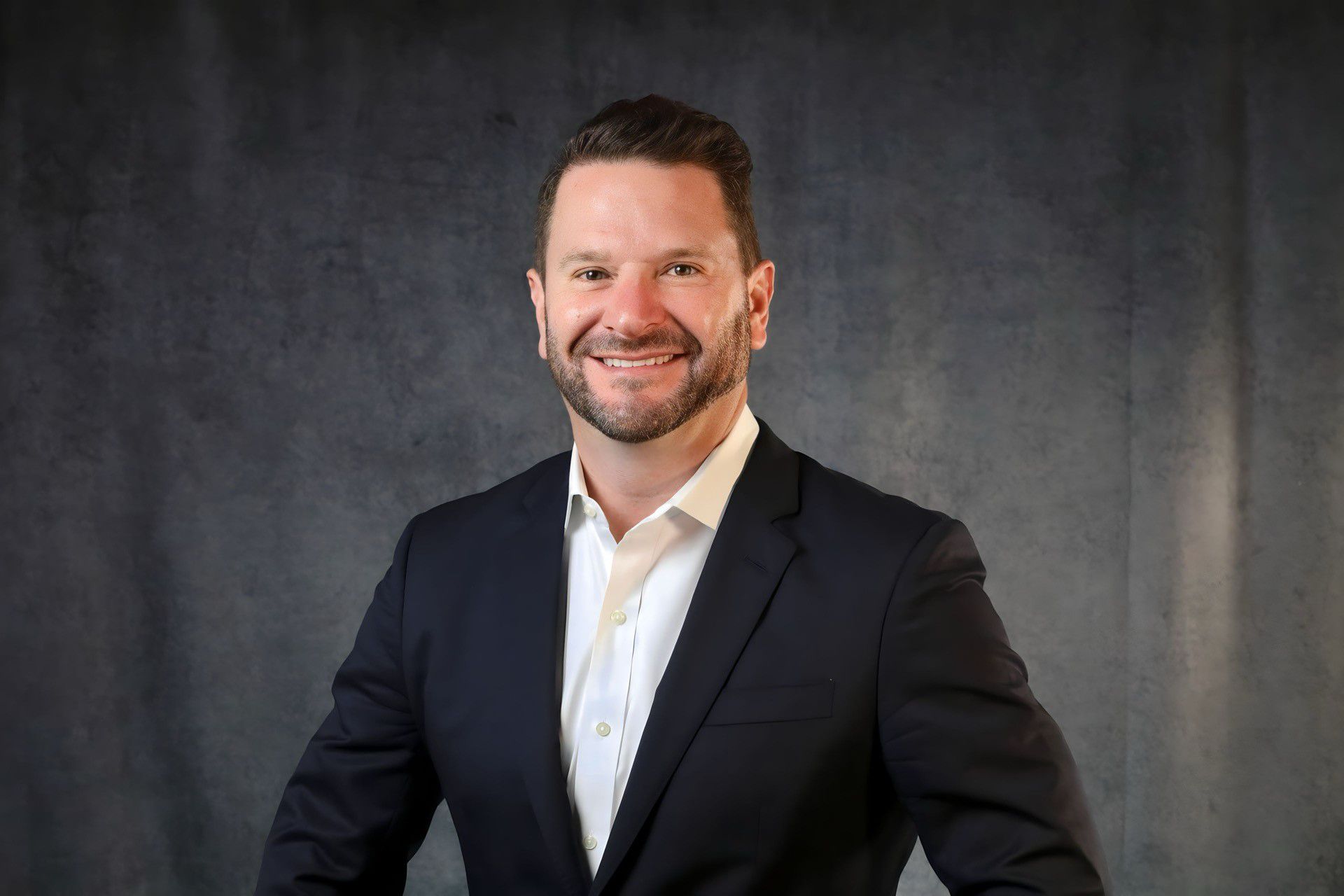
of
Josh Lowrey
Host
Josh Lowrey is a business leader and entrepreneur who brings a real-world leadership perspective to conversations at the intersection of technology, energy, and execution. He is the co-host of The IT Crowd, the technology podcast for ClearSync Solutions, where he leads discussions on cybersecurity, innovation, and enterprise technology strategy, and the host of The Energy Pipeline podcast sponsored by Caterpillar, focused on the technologies, equipment, and people powering modern energy and infrastructure. Josh is the founder of Upright Digital and Galtway Industries, and a co-founder of Daniel Energy Partners, with investments spanning Breaker 19, Clarity Ice, and Essential Safety PPE, the largest manufacturer of medical gowns for the U.S. government. Across his work, Josh connects hands-on experience with forward-looking insights on how technology and execution drive long-term value across the energy and industrial ecosystem.
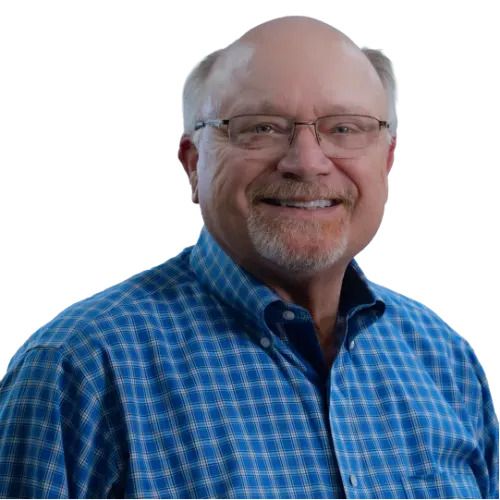
of
Wayne Richards
Guest
Wayne Richards is President and CEO of GR Energy Services, with extensive leadership experience across the oil and energy industry. His background includes senior roles in operations, sales, marketing and business development, as well as 25 years with Schlumberger. He holds a B.S. in Mining Engineering from West Virginia University
LEARN MORE ABOUT CATERPILLAR OIL AND GAS
Your Business
 North America – English

Caterpillar Brands
- Caterpillar.com
- Contact Us
- My Marketing Preferences
- Site Map
- Cookie Settings
- Legal
- Privacy
- Do Not Sell or Share My Personal Information
- Accessibility Statement
- US-English
- © 2026 Caterpillar. All Rights Reserved.