
Technology, Emissions & the Evolution of Natural Gas
September 30, 2026
Products for Oil & Gas
Parts & Services
Sustainability
About
Learn how emissions regulations shape oil and gas operations, how AI is supporting regulatory research, and the growing role of natural gas compression.


Technology, Emissions & the Evolution of Natural Gas - Ep 138 - Transcript
Read the full episode transcript
Josh Lowrey: [00:00:00] Welcome to the Energy Pipeline Podcast. My name is Josh Lowrie. We are coming to you live from the Upright Digital Media studio in Prange and Associates offices in Memorial, Texas. I am joined today by Eric Fierson, who is the emissions manager and subject matter expert with a focus on emissions regulations for Cat Oil and Gas.
Caterpillar Oil and Gas, as they like to be called, which I appreciate that. How are you, Eric?
Eric Fierson: I'm doing really well. Thank you for having me today.
Josh Lowrey: Um, man, you sounded quite professional with that intro, Eric. Did... I mean- Well, I've
Eric Fierson: been practicing ...
Josh Lowrey: off-air you were like, "Well, hey man, how are you?" I felt very comfortable.
Now I better snap to this.
Eric Fierson: Oh, yeah. Nice.
Josh Lowrey: You just became the subject matter expert in a split second.
Eric Fierson: Sure. Call me any time.
Josh Lowrey: So we have been talking a little off-air. Ha- And I... Have you ever done a podcast?
Eric Fierson: No, I have not.
Josh Lowrey: Are you excited about this?
Eric Fierson: I am. A little nervous, but, uh, you know, I'm ready.
Josh Lowrey: What did I tell you about my podcasting abilities?[00:01:00]
Eric Fierson: That you're the best in the, in the business, right?
Josh Lowrey: I said in the world. I
Eric Fierson: heard, I heard that.
Josh Lowrey: Actually.
Eric Fierson: Oh, okay.
Josh Lowrey: Yeah.
Eric Fierson: Well, same thing.
Josh Lowrey: Yeah.
Eric Fierson: Best in the business.
Josh Lowrey: By default, yeah, that would make me the best. Uh, you've heard great things?
Eric Fierson: Absolutely.
Josh Lowrey: Oh my gosh. Well, we're gonna have to go over that later. That was...
You didn't tell me that a minute ago or I I would've spent the first 15 minutes of this podcast. Thank you for not telling me that ahead of time 'cause I would've focused on that.
Eric Fierson: I see. Well, I've seen some of your podcasts, so I, I know your claims and so I'm, I'm, I'm expecting a, a, a really good performance today.
Josh Lowrey: Well, I was pretty excited to that last part there. Now I've gotta live up to this, Eric. This is... Um, Eric, what a pleasure to have you on. I've enjoyed our conversations ahead of time. This is- You've got a lot of experience, and not just in... Your- By the way, now I see why they've sh- shortened your title to Emissions Manager, because you're not really the Emissions M- You've done subject matter expert with a focus on emissions regulation, and it's pretty hard to say.
Emissions manager, I, very simple. We're gonna [00:02:00] come back to that. But the reason that you have such a title, it's well-earned. You've done quite a few things in your career. Can you give me just a s- I want the audience to know who they're gonna be listening to. So how did you get to this point?
Eric Fierson: Well, I would say it actually started when I was, uh, growing up, uh, in Tucson, Arizona.
I've grown up, uh, around engines. I started, uh, building model aircraft, radio-controlled aircraft. I, I used to, uh, race motorcycles, and so during that, uh, during those activities, I, I had the opportunity to take apart my engines, and most of the time put them back together. And, and, uh, sometimes not so good.
But, uh, you know, it got me involved with engines early on. And, uh, and throughout my whole career, I have basically been working on engines, trying to develop engines that meet emission requirements. I started working with small engines in the lawn and garden, uh, in lawn and garden industry, you know, small [00:03:00] two-cycle engines.
Uh, then I was working, uh, in industrial equipment, you know, forklifts, and, uh, using automotive-based engines and developing the controls. And now I work for Caterpillar, working on some of the largest engines around. And so I've had an, an interesting, uh, I'd say, career and, and experience, uh, working from the smallest engines to some of the largest.
Josh Lowrey: Well, that is a natural, I mean- a motorcycle engine that you were playing with as a kid to now working for Caterpillar in the largest engine, that's a pretty almost kind of a dream segue. Did you, do you, you were- we talked, you, you're a tinkerer by nature, right?
Eric Fierson: Absolutely.
Josh Lowrey: So is this just, I mean, really, is this a dream career for you in many ways?
Eric Fierson: Well, I really enjoy working particularly, I've, I've had, I've enjoyed all, my entire career actually. Um, it's been a variety of experiences, but, uh, working for Caterpillar, working for an organization that treats their [00:04:00] employees so respectfully, um, that, you know, focuses on values and, uh, and has a lot of really great employees.
I work with a lot of really smart people, and we're all one team trying to help our customers. And so, um, when you're in an environment like that, uh, it's hard not li- not to like your job.
Josh Lowrey: You know, we are, we don't timestamp these things so people can just listen to them, but we're coming into September, right, of '26, and we've been with Caterpillar, you know, we started this earlier this year.
And one of the things that I basically said to them was like, "Look, we're gonna, we're... I'm thrilled to be partnered with Caterpillar on this podcast 'cause they do such a great job with it." But I was like, "Hey, we're not gonna do commercials for Caterpillar. Like, we're gonna be able to interview..." They said, "You can interview whoever you want."
Um, they didn't really give us any guide- anybody we wanted to interview, they said, "Put whoever you want." Right? And they said, "We're not looking for commercials on our people, products, et cetera." I was like, "Great. Basic creative freedom to [00:05:00] do this." And because I don't wanna be a commercial guy. Like, I don't wanna be, "Caterpillar, everyone else is terrible."
And because that's, it just, it's inauthentic, and that's just not who I am, and that's not what I wanted the show to be. I don't know which episode I've kind of blown it on, where I finally was like, "Damn, Caterpillar's a good company." Like, they are, they just... We, I know, I think I know which one it was. We had a, uh, a man and a woman that were literally across the globe from each other that had never worked in the same office before, and they started describing how they are treated and how they treat their employees in different divisions, and then how they work together.
And they, I think I'm the one that kind of caught it. They were describing the exact same thing, but different cultures, different environments, and I'm like, "You guys are saying the exact same thing." And you realize, like, culturally what Caterpillar's done [00:06:00] over the 100 years of Caterpillar. And what you've just described, when they, they treat each other, h- they treat you, like, it's hard not to do one of these commercials for Caterpillar.
I- or, or just envy, if that's a fair word, what a sized co- a company the size of Caterpillar can do. I, again, I don't wanna be a commercial. It's just hard not to.
Eric Fierson: Yeah, I mean, uh, we're- I don't
Josh Lowrey: know how to say it.
Eric Fierson: Yeah ... you know, we're a global company. I believe we have over 100,000 employees, and it's very common- It's crazier
yeah, it's very common for me to, uh, on any individual day, to be working with people across the globe, you know, people in China or in the EU. And, uh, certainly there are, you know, different, you know, cultural differences, but when you work for Caterpillar, the one common theme is, is the value and customer focus, and we all share that.
So that kinda gives us a common bond
Josh Lowrey: Well, all right. We've... I've blown it. I try not to do that [00:07:00] every show, but it's just hard. When you guys start talking about it, it's kinda hard not to. All right, so w- anyway, I got tons of stories on that. I do have notes. Do they give you notes?
Eric Fierson: Uh, they did. Uh, I have to say that I just kinda looked at 'em to- Be great- Today-
'cause I was
Josh Lowrey: gonna blow it up anyway.
Eric Fierson: I just kinda looked at it today, and I, and I was like, "Okay." But, you know, this is the stuff I talk about day in and day out, and so, um, I'll try my best to- No, don't ... to boil things down- Good ... into high-level concepts. I know I have a reputation of getting down into the weeds.
Uh, I'm gonna try not to do that today.
Josh Lowrey: Well, you can, you can do that. We, I told you, we interviewed Paul Dunn, and that's everything I could do to hang on having a conversation with that guy, 'cause of how smart he was. I know you guys have a lot of smart people. You are... My joke is that Caterpillar's comms team gives me great notes, and I'm like, "Oh, good luck.
I'll try to hang on to these notes." Um, all right, so you've got this great career. You've spent time with Caterpillar in a bunch of different... You, you've traveled the world, literally traveled the world with these guys, touched a lot of [00:08:00] different parts of the Caterpillar ecosystem. Um, you, you are now... How long have you been with the emiss- quote-unquote, "The emissions team," or the compression team?
Eric Fierson: So I know that when you meet a lot of employees at Cat, um, you're gonna hear a lot of stories about people moving from different divisions, different, uh, regions. Uh, my story's a little bit different o- in that, but it's actually very consistent within our organization. So while I do focus on emission regulations, uh, primarily, uh, in the product strategy group, um, there are- we have a...
You know, it takes a team, so we have a global team of subject matter experts that are focused on their specific regions. We've got people in India, China, EU. Um, I've got a large, I've got a group, uh, right here in, uh, out of our Mossville facility. Uh, so I, I have a lot of support, um, uh, on this specific topic.
[00:09:00] Um, and so, um, it takes, it, it does really take a whole team to really be able to follow what, you know, to, to stay ahead of the curve on, on, on the regulations, understand them, and then try to communicate them throughout our organization. Can I- So it's not just me, it's, it's really a whole team.
Josh Lowrey: Can I be the, uh, kind of the audience here, and really for my own edification?
What, what does emissions regulations mean? I understand the words. I kind of conceptually understand, but what does that technically mean to the layperson?
Eric Fierson: So, you know, generally, uh, you know, I'll, I, I do focus primarily on the USA and Canada, and as I mentioned, we've got, um, personnel in, in some of the other regions.
But regulations are generally developed at the, at the, uh, well, in the United States at the federal level. Um, but then, you know, we've also got state level regulations, and so they'll have Specific regulations related to, you know, being able to just even drill a, drill a hole in the [00:10:00] ground. Um, but again, I focus on air emission regulations, and so there are regulations that are focused on the different sources that you'll have on oil and gas sites.
They'll generally include what are the amount of emissions that you can do, um, how do you have to, uh, test them and monitor them over time. So really, regulations are really just providing a framework for our customers that are operating these facilities on how they have to design them and how they have to operate them
Josh Lowrey: And they need Caterpillar... I mean, I would think they need Caterpillar plus, plus, plus, plus, right? You're, you're part of an ecosystem there.
Eric Fierson: Absolutely.
Josh Lowrey: Okay.
Eric Fierson: So when, uh, you know, I'm, I say I'm a subject matter expert, but the reality is, is I came up, um, working on engines. And so when you're d- when you're working on engines, you need to know what the emission [00:11:00] regulations are so that you can then, you know, develop an engine that meets those regulations.
But when I'm working with customers, particularly oil and gas customers, they usually have a team of people that are gonna focus what state are they operating on- Hmm ... uh, in rather, um, what type of equipment do they have. Some people focus in on tanks, some people focus on flares, some people focus on, um, methane detection lately, you know.
And so they're, they're gonna have different levels of subject matter experts to be able to cover that whole portfolio of sources that you're gonna see on an emissions on, on an oil and gas site. And so for me, again, I just focus primarily on engines. Um, and of course with Caterpillar, you know, in oil and gas- Yeah
that what, that's what we're providing. But I do work with our customers, and they're actually one of the best sources of information. When I first started in oil and gas, [00:12:00] um, I really didn't understand how diverse the regulations are. You know, they vary f- and from state to state- Yeah ... in many cases. And so a lot of my education when I first transitioned into oil and gas came from just going and meeting with customers.
And, and again, you know, um, at Caterpillar, we've, you know, we're a team. We all work together. So we've got sales guys, we've got, uh, guys that are focused on, uh, commissioning and monitoring engines out in the field, helping customers, uh, solve technical issues. And, uh, and so we all work together with our own level, you know, with our own, within our own responsibilities to help our customers.
But, um, certainly our customers are really the, the biggest experts on, on what are the regulations that apply to them.
Josh Lowrey: Yeah. I would think, you know, this, as you're talking, I feel like this is a
Subject's not the right word. This is a, um, [00:13:00] project that's ripe for AI only because of the amount of information that has to be gathered. It's almost like going to the doctor. Like if one doctor, like Caterpillar says, "All right, this is what your emissions report is." Great. Here's your blood test I'm healthy.
Fantastic. I guess I don't need to talk to anybody el- Well, no, you should definitely talk to your other, you know, expert on this. I mean, you really have to have a lot of people and, and experts communicating together, and then as the oil and gas company, you better be able to take all that information together, have it in one repository, decide what's the best plan of attack for whichever basin or state that I'm operating in.
So they're... I mean, you really do... They have to be able to call on because as soon as there's one regulation change, that affects everybody immediately, I would imagine. So you're on call, I would think, by every energy and oil and gas company straight away.
Eric Fierson: Oh, I, yeah.
Josh Lowrey: And I can't even imagine the data centers, but that's another subject.
Eric Fierson: Yeah, no, I mean, certainly [00:14:00] AI is a new tool that we're all being encouraged to leverage. Um, for me, I find that when I'm using AI now, it does help me research some of the source material that I wanna cover. So if I wanna find out... I see a news story or I wanna f- you know, and I say, "Hey, I wanna find out more information about this company or this, this location," I will use AI, and I've been using it a lot lately to help me find, like let's say, an air permit for a site.
I wanna see, okay, well, what do they got? You know, I'm hearing about this, this site, or they've got... I got a... I had a customer give me a call, and they've got an issue. Um, I'll go in and pull, if they, if, if it's, if the facility is already in operation, I'll usually go onto, uh, AI and find that air permit. I can review that air permit.
I can see what the, you know, all the different sources they have on the site. I can see what, what engines, what Caterpillar engines they, they have at that site, and it is really a [00:15:00] great resource for me in that way. Now, sometimes when I'm using AI to analyze regulations, um, it's also s- been very helpful, um, for me to kinda get a head start on the topic.
But, you know, I still have to go through and, and do s- do some due diligence, make sure the information that the AI is giving me is accurate. So, you know, it's a tool. Um, I have... Uh, but it's really important to learn how to use it and understand what are the benefits and what are some of the shortcomings.
Um- Yeah, I agree
Josh Lowrey: with that.
Eric Fierson: Absolutely. But, but again, I, I find that my best source of information is having good relationships with our customers.
Josh Lowrey: Mm-hmm.
Eric Fierson: Um, knowing the people within their own regulatory, uh, area, and they'll be g- they'll... Uh, they know me, and so they'll give me a call when they hear of something or they have a problem.
Uh, and so, so yeah, for me, working with customers [00:16:00] is really, uh, one of the most important things to do, and of course, it's part of our values at Caterpillar, you know. Um, you know, making sure that we're helping our customers And, um, you know, just this week I had scheduled a, a lunch and learn with a c- a local company here and, you know, we had 20 people that were focused on regulations and operations of engines.
And so I'm, you know, w- you know, we were giving them a summary of, you know, some of the new products that we have, some of the, the new, uh, lower emission products that, that we're offering. And, and then, you know, when w- when I'm done doing our part- portion of the presentation, you know, and we have a Q&A, that's when I really get a lot of inf- an opportunity to find some, you know, really good information.
I mean, if you've got 20 people in a room, you're gonna get a lot of information. Yeah. Whereas if I'm just calling one person on the phone. So yeah, b- being, you know, staying close to the customer, uh, i- is really important. And so yeah, AI is a new [00:17:00] tool, but certainly, um, it do- it, it's never gonna replace being able to sit in a room with a customer.
Josh Lowrey: This is what we talked about earlier. I mean, just there's value in even like a podcast of what we're doing today. We don't do... I, I personally don't do virtual interviews 'cause I think the value of face-to-face is so much more important than Zoom calls, right, Jar- But why do... I have tons of compression questions.
Do, do you wanna talk about compression?
Eric Fierson: Sure.
Josh Lowrey: Okay.
Eric Fierson: We've got a lot of new, you know, a lot of, uh, products in the, in the pipeline so-
Josh Lowrey: So tell me, first of all, what is compression and why does it matter?
Eric Fierson: Well, well gas compression is basically, um, you know, we provide gas compression engines that are paired to a compressor.
Josh Lowrey: Okay.
Eric Fierson: And, um, basically, uh, what you're doing is, is you're, you're, you're pressurizing the natural gas in the line [00:18:00] to push it from point A to point B. So all the way from the wellhead to the city gates. Um, and gas- and compression can be, um, small engines, you know, in the gathering locations, um, to very large engines in, in transmission and in, and in some cases electrification.
Uh, you can have electric motors, uh, in- involved in that. So there's a big mis- a big mix of drivers that are used for gas compression.
Josh Lowrey: One of the busiest companies that I know is a compression company. Why are those guys so busy? Why is the need for that so heavy right now?
Eric Fierson: You know, it- I'll tell you, one of the things that I'm really enjoying right now in the industry is, is some of these new trends. And, you know, everybody's talking about data centers, but for me, it, it, it gives me an opportunity to not just focus on gas compression, but I also get to focus a little bit on electric power.
[00:19:00] And, uh, so in many cases you probably have heard that there's just not enough electric power right now to operate all of these data centers. And so a lot of our engines are being used not only for backup gen sets, um, in case they, in case a facility loses power, but in many cases we're basically, you know, doing behind the meter, you know, where they're building, uh, an, a power plant on site or, or generally in the same, you know, close- closely coupled, and they're building power plants, um, with our engines to operate those data centers.
And so, um, so not only am I working in gas compression and drilling and hydraulic fracturing, but also now in electric power. And so the reason we're seeing so much demand is quite simply that in order to keep those new power plants operating, those facilities need a, a natural, more natural gas. And so all of our customers are, um, you know, having to really, uh, you know, increase their output so that [00:20:00] they can supply the, the, the g- natural gas that's required to produce the electricity to operate these data centers.
Josh Lowrey: That's the best answer anyone's ever given me.
Eric Fierson: Oh, well beautiful.
Josh Lowrey: I'm serious.
Eric Fierson: Nice.
Josh Lowrey: You know, it's, uh-
Eric Fierson: Thank you
Josh Lowrey: That's just a very grounded answer, real world answer. Okay, see. I, I didn't ex- I mean, I, not that I wasn't expecting it to be that practical, but that is a very pragmatic answer to why it's so busy.
Eric Fierson: Yeah.
Josh Lowrey: Okay. Um, you've been there... How long have you been doing... You said, "When I came to oil and gas." How long have you been in... 'Cause you were in the marine side as well.
Eric Fierson: No, I, I was on
Josh Lowrey: the- Or they just all call it marine, oil and gas and marine?
Eric Fierson: Right. Where, you know, we've, you know, we have different divisions where, um, you know, we've partnered oil and gas and marine and, and such.
And so, like in, in my office, we actually have marine on the first floor. We've got solar turbines- Yep ... in there, and then of course [00:21:00] we've got oil and gas. And so, um, you know, with all of these new opportunities that I was just mentioning, you know, all the gas compression and electric power, um, you know, being closely coupled in, in many cases helps us to kind of reduce those silos that you can have in an organization, and we're all now working much more closely as one team than we ever have in the past.
Josh Lowrey: So you're, you are... I, like I understand. I talk to those guys too on the supply chain side of things. You are communicating with your brethren in the marine side as well?
Eric Fierson: Uh-
Josh Lowrey: Just
Eric Fierson: for- A lit- a little, a little bit. Um, I, I do, um, some of... We do have some opportunities, like oil and gas opportunities, that do kind of, uh- gel with marine.
You know, you know, for example, if we've got a, a, a, a, a platform out in, out in the Gulf, you know, we're gonna- we may have some oil and gas engines on there. Yeah. And so-
Josh Lowrey: Okay ...
Eric Fierson: um, so that would be, you know, technically kind of a marine application. [00:22:00] Um, or in some cases, I was recently working on, uh, a ship, uh, a vessel that was going to do, um, hydraulic fracturing, and so they were, um, putting some oil and gas engines on that.
And so yeah, so, you know, we sometimes blur the lines a little bit- Yeah ... but I wouldn't necessarily say I focus on, on marine at all. Um, so- If
Josh Lowrey: they need you, they're calling you.
Eric Fierson: Yeah, or if I hear that there's an issue, you know, I'll engage our marine team and say, "Hey, look, I had a customer call me up because they, they know me, and there's an issue."
And, and so I'll, I'll kind of pass them on to the appropriate people in marine so it, you know, saves them some time, or solar turbines, you know. Um, I work with solar turbines, you know, because I have a, a somewhat... You know, there's people in, in- at solar turbines that are doing the same job as me. Um, but of course, you know, the regulat- regulations that apply to turbines and engines, while they're different, you know, we are still talking about the same type of emissions [00:23:00] constituents, you know- Mm
criteria, hazard air pollutt- and pollu- hazardous air pollutants and, and greenhouse gases. So, um, so yeah, I don't really focus on marine, but there are times where I'll be called to, uh, help on an opportunity. Okay.
Josh Lowrey: Do you... Are you doing any kind of a, I don't know what they call it- Are you going into like an Austin type of public policy conversation or a Denver?
Is that where you get involved with-
Eric Fierson: So I, I,
Josh Lowrey: you know- Like, what, what is the word I'm looking for? Like a fly-in. Are you doing these fly-ins?
Eric Fierson: Oh, I... So I mean, you can make a career out of going to different conferences- Yeah ... and, uh, different industry events, and that, that is something that I do and is actually very valuable.
Um, I will say though, that at Caterpillar, you know, we do have kind of defined roles. I, I tend to not get involved into, uh, legislative issues. We have a, a, you know, you know, a group of, that includes lobbyists that will, will address that, but- Lobbying.
Josh Lowrey: That's the word I was looking [00:24:00] for.
Eric Fierson: Yeah. And but I do work with that team to try to, you know, make sure that we, in some cases, you know, training, but just make sure we're aligned, making sure that I understand what their issues are, make sure that I'm communicating consistent messaging to our customers.
Yeah.
Josh Lowrey: I mean, as a subject matter expert, I would imagine you're very valuable to them.
Eric Fierson: Uh, yeah. I mean, I'm, I'm, you know, with a lot of data center things and, uh, uh, going on and, you know, a, a lot of the discontinuity between the federal regulations and state regulations, there's no shortage of issues that we all need to talk about, make sure we're educated, and that we're all moving forward, you know, uh, and aligned on issues.
Josh Lowrey: There's, so there's a couple things that I just love. I love technology. You've mentioned a couple things. I always tell people, nobody wants to go to lunch with me anymore because all I wanna talk about is AI and peptides. Those are the, those are my two subjects that I'll just wear people out [00:25:00] on. Um, but there's a company, or there's a question here to how has the technology evolved?
You've been in it for a long time. Modern net, um, nat gas compression packages, what does it look like today versus five or 10 years ago? And I would think, I mean, look, if you've been in a hole, you have no idea what Caterpillar's been... Caterpillar's crushing it right now, and as they should. I mean, what, what does a, a package look like today that it didn't look like five years ago?
Or does it look s- different, the same, bigger, smaller?
Eric Fierson: Well, I, I guess just in general, one of the things that I explain is that there are some cases where new regulations drive technology, where we need to make improvements. And, and, and in some cases that's been in the past. You know, if you were to take a look, um, you know, at our engines, I'd say, you know, 10, 20 years ago, you know, our newer engines are orders of magnitude more efficient and, and lower emissions.
[00:26:00] Uh, and that's been a result to some extent of regulatory pressures. Um, sometimes there's competitive pressures that require us to improve our products also. Um, but, but certainly I would say that, um, you know, over the five, last five, 10 years, um, you know, uh, w- you'll see a lot of improvements in our products to address Some of the, some of the regulatory changes.
So for example, um, you know, for, you know, 10 years ago, five years ago, you know, there was a big focus on greenhouse gases. Mm-hmm. Trying to minimize the amount of leakage into the atmosphere, um, trying to, um, minimize the amount of, uh, in our engine exhaust. Um, and so those regulations, you know, did, um, spur us to focus [00:27:00] in on, on those kinds of improvements, which, um, have really
Josh Lowrey: been- How specifically...
Like, what, that's a great que- that's actually one of my next questions. How do they do that without sacrificing, like, reliability, for instance?
Eric Fierson: Right. Um, well, first of all, uh, you know, we, we put a lot our products through significant amount of laboratory testing and field testing before we actually go to what we call open order board and put them out, you know, for general sale.
So, you know, we do use, uh, we do partner frequently with our customers to set up field testing and, um, and, um, and that's one of the ways that we make sure that our new technology is ready for prime time, I guess you would say.
Josh Lowrey: That's a-
Eric Fierson: And so, um, a- a- and, you know, and of course we're doing a lot of, you know, modeling now and computer modeling that, you know, we incorporate.
So, um, there's many, many things that we do in, [00:28:00] to ensure that our products are, are going to be reliable and, um, you know, maximize, uh, reliability for our customers.
Josh Lowrey: Is, is there a technology that's come out in the last five years that you're like, "This one's pretty awesome"?
Eric Fierson: Well, yeah. I mean, we've, we right now are, you know, have, um, you know, been introducing, you know, on our, on our flagship engine, which is our G3600 engine.
Um, that's a very large engine. Mm-hmm. And up to 5,500 horsepower, I believe. And, um, we've made improvements in those engines that are also backward compatible to, you know, reduce the methane emissions in the exhaust for, you know, up to 40%, sometimes more. And so, um, and those are through internal changes, improvements in the piston and the combustion chamber, um, that are providing those benefits.
And again, um, those are not [00:29:00] only things that are currently, uh, on our newer products, but when a c- customer has a, a legacy product- Mm ... and let's say it's up for a major overhaul, they're able to incorporate that technology into their existing fleet and, and, and garner those benefits.
Josh Lowrey: 40% less methane.
Eric Fierson: Absolutely.
Josh Lowrey: That is a... See, that to me- Everybody wanted to, and I'm not knocking this, but five, six years ago, my God, my time is flying. Six years ago, seven years ago, and there's nothing wrong with this term, you know, it was a mis- the term was misused, energy in transition. And the reality is there's, there really isn't such thing as an energy in trans- it's just energy evolution is really what it is, the energy expansion.
And, you know, it's trying-- it's like if you're, if you're overweight, you don't just get in shape tomorrow, you get yourself back in shape. And the industry was... Like that, that 40% less methane is energy transition. [00:30:00] That is a... If you would've shown up with that seven, eight years ago and been like, "Look what we do," that's phenomenal.
Like that is a significant improvement. That's, that's a-- I wonder what that looks like in real world. I mean, if you could really just show people, they would be blown away by that six years ago, 10 years ago. They wouldn't even understand it.
Eric Fierson: Yeah, I don't wanna get too much into the minutiae, but one of the things that I'll say is that, you know, when we're talking about methane reduction in our engine exhaust, um, you know, there's other complementary benefits.
So, you know, not only do we get redu- reduced GHGs in methane, but we're also reducing what we call criteria constituents. You're gonna see complementary im- uh, reductions in s- in our carbon monoxide and volatile organic compounds. You know, VOC, which is one of the big constituents that actually limits, uh, some of our customers to building larger facilities.
And so, uh, so reducing, uh, GHGs also provides those complementary benefits where they can [00:31:00] reduce their overall emissions intensity on these sites, and that allows customers to either from, you know, maybe reduce the environmental footprint of that site or actually, uh, increase the output without actually increasing the overall emissions in some cases.
Josh Lowrey: I'm just listening. I- honestly, what was going through my head when you were talking was your motorcycles as a kid. That's all I could think about when you were just- Yeah ... when you were using these acronyms, and I was thinking to myself, "I wonder if when he was rebuilding motorcycles as a kid, if he would be thinking about reducing the carbon footprint of all these different facilities as an adult."
Eric Fierson: I would love to say that that was on my mind, but I think what it really was is I just wanted to have the fastest motorcycle, right? And so, you know, that was really my focus back then. But certainly, that experience working on those engines s- um, gave me a head, a heads-up when I started to actually get into the professional environment and working with engines.
So I already knew all the major- Yeah ... [00:32:00] components within the engine, how they operate. Well,
Josh Lowrey: I, w- and I don't mean to cut you off, but w- I, I just kept thinking about, like, the smell of the gasoline and the s- and the, and the smoke coming out of the muffler. That's what I was really thinking. I was like, you know, you're just like, "Dun, dun, dun," you know, that engine sound and the smoke just in your garage.
And I'm like, you know, today, those engine sounds, how they sound differently and how much cleaner they're burning than even a, a two-stroke engine, and what you really were producing then versus today. And I, it, it, I, it's just an incredible evolution of these engines. That's, that's really what I was thinking.
Eric Fierson: Uh, well, absolutely. You know, I mean, these engines are assets that last 30, you know, longer than 30 years. And so, um, it's really important that when we're manufacturing or designing these and then we're, uh, manufacturing them, you know, that we're providing the best quality, uh, uh, engines that we can to our customers.
And so, um, that's, that's been a big focus. Whether you, uh, you know, or whether you're like me focusing on regulations, you know, we're, [00:33:00] uh, trying to go... You know, uh, one of the things that I do at Cat is, is, um, not only do I work with customers, not only do I work with regulators and the dealers, but, you know, in being in product strategy, it's my job to be able to go to the engineering group and try to communicate to them what are some of the pressures that our customers are going through and, uh, and then it's up to those guys to, to, to go back to the drawing board and, and try to, uh, uh, come up with, you know, innovative, you know, new innovative technology to apply to our engines so that we can not only, uh, m- you know, improve the quality but, you know, overall efficiency.
Josh Lowrey: You know, this is... I told you I was the best podcast host ever, and which is true. But it helps when you have a great guest. Thank you. And it is, it's funny, I had, I've got my notes here and I'm looking at a couple things and Y- you, you said I'm focused on [00:34:00] emissions and... Which is true, that's one of the last things you said.
But, you know, subject matter expert, focused on emissions. Emissions manager's just the easy way to say it, but it's not. It's an all-encompassing career wrapped up in two words. And, and, and, and I'm gonna g- I'm paying you a compliment, uh, but you're gonna... You really wrapped it up yourself. I've got all these great questions, and they're things like, "Does Cata- what does Caterpillar bring to solving problems?"
You just said that. "This is what I'm here to do for the customer." And then you said, "How can it be applied to existing equipment?" You already told me how it can be retrofitted on some of this stuff. "How does it, uh, impact uptime?" You just said, "It's a 30-year deal, and our goal is to g-" Like, you've answered these questions that I don't even have to ask.
Eric Fierson: Oh, great.
Josh Lowrey: It's... But it, it really just tells me, like, you're living these things. Like, you're absolute living these things in a two-word title. And titles don't make a person, they don't make a career, they don't make anything. They're just... It's a summary of what you're doing. And it really is hard to wrap up a two-stroke engine to [00:35:00] where we are today in two words or less, right?
And it's, it's funny to hear, funny if that's the word, to say like, "All right. Tell me what you do." "Well, here's the title, but this is what I do." And I think it's really interesting how trying to kind of close out a 30 or 40-minute interview, you just kinda did it. And I wanna just really commend you on that.
Eric Fierson: Okay. Thank you.
Josh Lowrey: Yeah. I don't know. I, I have other questions, peptides and AI, but we're not going into that today. Let's see. I've got one, it says, "Closing question." Let's see if this one's any good. I didn't write this. Caitlin did. Let's see if Caitlin... She's my producer. Let's see if she did a good job. "We're asking natural gas infrastructure to move more energy, um, to move more energy, operate more reliabil- r- reliably, and reduce its environmental footprint at the same time.
How confident are you..." These are hard questions. "How confident are you that the industry can accomplish all three?" That's a layup
Eric Fierson: Well, I, [00:36:00] I'm very confident about that. Uh, you know, we don't really have a choice, right? We, we have to be able to build products that solve our customers' problems, and, uh, and that's a non-negotiable.
So, um, being an e- equipment provider, we're always looking for ways to improve our products, whether that be working with academic institutions, um, which is one of the things that I do. Um-
Josh Lowrey: What, what is that? What do you do?
Eric Fierson: So, you know, I, um, so we may have projects where we're working with a, a university and they're testing our...
And we'll have a, a, a program where they'll be testing our products, uh, in the laboratory. And, and, and not only are we getting an opportunity to, uh, to develop newer technology, but we're also able to, um, foster students' experience a- and potentially, uh, gain future employees.
Josh Lowrey: Mm-hmm.
Eric Fierson: [00:37:00] So not only are we focused in on building better products, but we're actually, uh, very focused on making sure that, you know, we have the best, um, people that are working with us, and that we have a pipeline of people, creative people, that are coming in to continue those, uh, advancements in our products.
Josh Lowrey: You're from Ar- Are you an Arizona State guy or a University of Arizona guy?
Eric Fierson: Well, being that I grew up in Tucson, Arizona, and did go to school in, in Tempe, I'm gonna just say that I- ... I support both of those organizations. And, uh, you know, I like to get back to Arizona whenever I can and, and, uh, sometimes going to the football games.
But I will say that, uh, uh, growing up in Tucson, that was where... That was my area where I would, uh, ride my motorcycles a lot. Okay. And back then, before cell phones, you know, we were, uh, like a little... You know, I had a lot of friends, and we were like a [00:38:00] biker gang riding around through-
Josh Lowrey: A bunch of 12-year-olds
Eric Fierson: through all the- Cruising ... the river washes. Uh, you know, uh, that's a dry riverbed for people that don't know that. And, and then of course in, uh, in Phoenix, if you go back there, um, now it looks like a spaceship city. It's so, it's so modern. Um, so I, I support both organi- I- both institutions, absolutely.
Josh Lowrey: That is the most politically...
We, we shouldn't even accept that answer. You're not taking a side on either side?
Eric Fierson: Well, I mean, if they were playing each other, I would probably go for the Sun Devils.
Josh Lowrey: Okay. Thank you. You know? Yeah. Arizona State.
Eric Fierson: Yeah.
Josh Lowrey: Yeah, we couldn't let you off the hook with that.
Eric Fierson: Yeah, yeah.
Josh Lowrey: That's like saying, "Do you like UT or A&M?"
"Well, I like them both. I hope they both win."
Eric Fierson: But if I, but if I see, you know, UA playing a game, I'm gonna support them
Josh Lowrey: too. I understand that. Yeah. Absolutely. I get... By the way, y- we, we root... If I see any Texas team playing another, I'm gonna root for a Texas team. I- But thank you for taking the hard position-
of Arizona State.
Eric Fierson: Okay.
Josh Lowrey: Yes. We can't let you off the hook with that.
Eric Fierson: Well, we have a such a great, great [00:39:00] football stadium there, and I used to, uh- It
Josh Lowrey: does look like a spaceship.
Eric Fierson: Yeah. And I used to live, uh, uh, right next to that, and so I've been... I've seen so many football games there and concerts there that, uh, you know, brings back a lot of memories.
Josh Lowrey: Okay.
Eric Fierson: Yeah.
Josh Lowrey: Well, thank you for that. We will know who to root for now when, when your team comes up. So is there anything that I've left out, um, that I need to make sure that the people need to know?
Eric Fierson: Uh, just that, you know, uh, you know, again, I focus on regulations and that's a job that never ends and, you know- Correct
and so we're always, you know, trying to stay abreast of what's impa- what's, what's going on, what's impacting our customers, making sure that when there are new regulations that are coming out, that we work with those regulators to understand the convergence of what's technically achievable versus what's economically feasible.
And so we're gonna continue to do that and, and I'm gonna [00:40:00] continue hopefully to, uh, through... You know, I would love to stay at Caterpillar for more years and, and hopefully I'll be able to continue to, you know, um, provide, uh, my portion of, of building better products-
Josh Lowrey: Mm-hmm ...
Eric Fierson: you know, and making sure that we're building what, what the customer needs.
Josh Lowrey: So this is the second week in a row I'm gonna give these guys a plug. Do you get involved with, uh, EWTC at all?
Eric Fierson: Um, I've gone to some of their, um, uh, some of their meetings- Yeah ... some of their trainings, but I don't... A- and I'm aware of what's going on. Yeah. And so, you know, a lot of our team members, you know, might go to a-
Josh Lowrey: They do
Eric Fierson: may go to those meetings, and then if they'd heard something they didn't understand, they'll come to me and say, "Hey, Eric, what are, what are they talking about here?" And so, um, so, you know, on the periphery I, I, I'm involved and I'm aware of what's going on with the organization.
Josh Lowrey: I'm, I'm, I've been much more involved in it in the past.
I was a board member for a decade almost. It's a great organization. And by the way, if you're listening, I highly recommend you and your organization join [00:41:00] EWTC, formerly called PIECA, Petroleum Equipment. Now it's EWTC, Energy Workforce Technology Council. But the reason I'm bringing that up with you, uh, I feel like your specific- input would be very valuable to them.
So versus being like the game of telephone, not the ca- 'cause Caterpillar's quite involved in EWTC, uh, you would be helpful to as a direct link to some of these Energy 101 courses that they give. So, um, just throwing that out there.
Eric Fierson: Yeah. Um, we have team members that actually participate in those train- you know, providing the training.
Josh Lowrey: Yeah.
Eric Fierson: And so a lot of times I'll be reviewing some of that material, making sure, you know, from the regulatory perspective that, you know, we're not, um, uh, you know, that we're delivering an accurate message.
Josh Lowrey: Well, listen, if they, if they have value you to come on this podcast, then you need to be speaking on stage.
And- Okay ... luckily you know somebody.
Eric Fierson: Oh, okay.
Josh Lowrey: This is, this is the, [00:42:00] the gateway to becoming a star. By the way, I keep... I can see myself and I can see you. You look better than I do. I don't know. This is... We're gonna talk to somebody about the lighting. I'm, I'm gonna keep looking at Eric. I'm like, "This guy looks great."
You look gr- Now, maybe it's the black shirt. I'm gonna start wearing a black shirt on TV every day.
Eric Fierson: Yeah. The older I get, the more often I get the point of people say I look like Brad Pitt and- ... I don't see it, but if people wanna say it, I don't have a problem. That's
Josh Lowrey: all right. Listen, I, that's a great... Like, uh, y- so those are for other people's compliments.
I understand this. Well done on that.
Eric Fierson: Right.
Josh Lowrey: Hey, listen, you take what we can get today, buddy. That's a good one. Well, what'd you think of your first podcast? Oh. You crushed it, by the
Eric Fierson: way. You, I'll tell you, you've, uh, you've put me at ease right away, and, uh, I feel real comfortable. And so certainly at some point in the future, if there's another topic or continuing the same, uh, discussion, I, I'd, I would, uh, I look forward to that.
Josh Lowrey: Well, as you said, and I, I used to do quite a bit. I couldn't believe I can't think of the word lobbyist earlier. But, um, you know, the fly-ins and lobbying is... That is a game that there [00:43:00] is no finish line to that. Like, you have to continually stay on top of this stuff. So if there's anything we can do to help you and your cause, whether it's educating the Joe Public or just whatever it is, let us know.
So you come back on anytime you want.
Eric Fierson: Thank you so much.
Josh Lowrey: So looks like we're about to, uh, we have great timing here. I don't know if that's telling me on TV, but it's telling me I better... I've got 52 seconds to wrap this up. So if you have any questions, look us up on all of our socials. I te- Caterpillar does a phenomenal job with the, uh, um, how they index all of your podcasts because they...
it's on Caterpillar Oil & Gas. Any subject that you wanna look up, whether it be compression, um, regulations, whatever, just go in there and Google it. I say Google it. Just search it under the Caterpillar Oil & Gas website, and you'll find it. So thank you so much to the Caterpillar communications team. I read some of the notes.
Thank you so much. Uh, Eric, great job. Look forward to seeing you again, sir.
Eric Fierson: Thank you so much. I ap-
Josh Lowrey: Thank you very much ...
same.
of
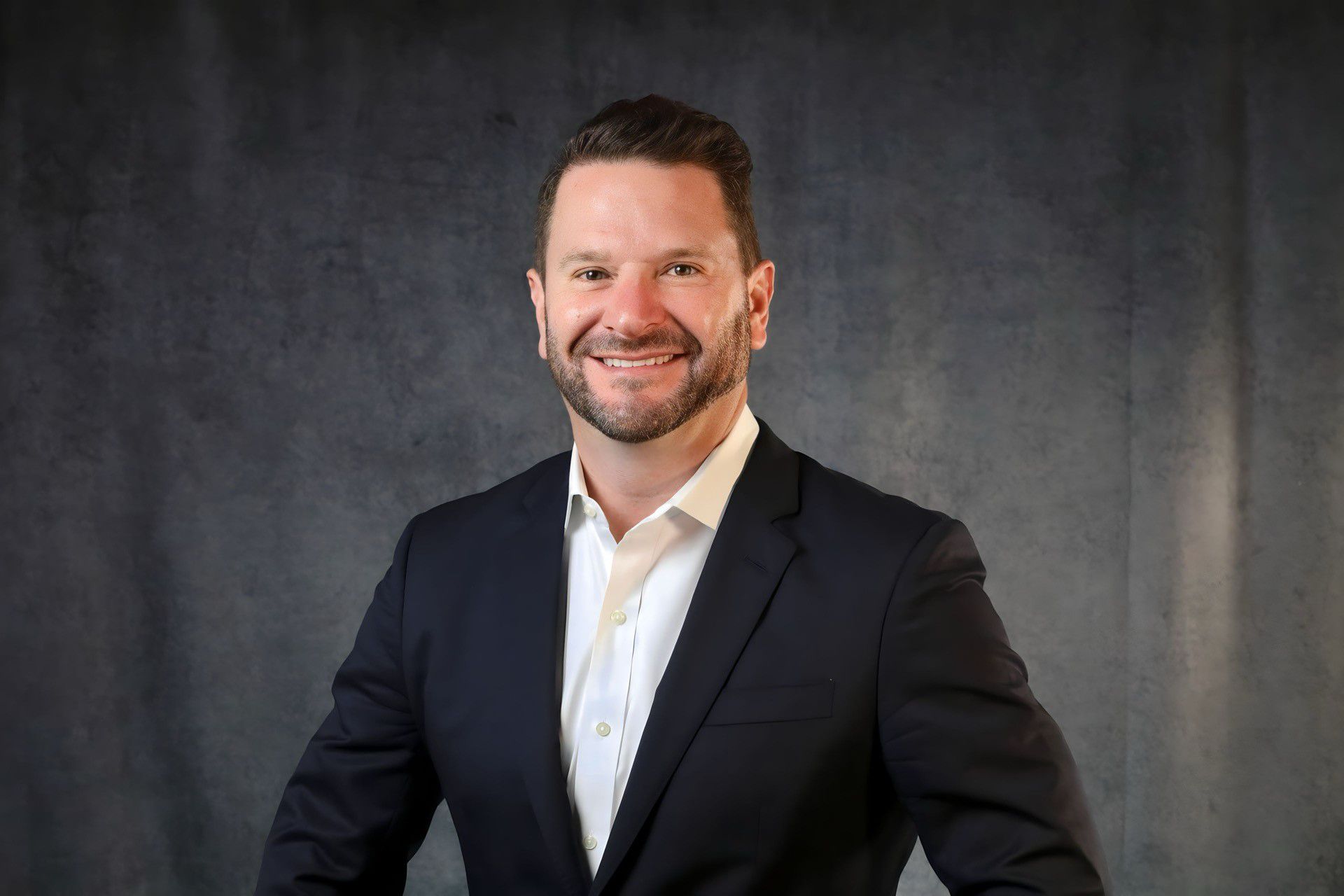
Josh Lowrey
Host
Josh Lowrey is a business leader and entrepreneur who brings a real-world leadership perspective to conversations at the intersection of technology, energy, and execution. He is the co-host of The IT Crowd, the technology podcast for ClearSync Solutions, where he leads discussions on cybersecurity, innovation, and enterprise technology strategy, and the host of The Energy Pipeline podcast sponsored by Caterpillar, focused on the technologies, equipment, and people powering modern energy and infrastructure. Josh is the founder of Upright Digital and Galtway Industries, and a co-founder of Daniel Energy Partners, with investments spanning Breaker 19, Clarity Ice, and Essential Safety PPE, the largest manufacturer of medical gowns for the U.S. government. Across his work, Josh connects hands-on experience with forward-looking insights on how technology and execution drive long-term value across the energy and industrial ecosystem.
of
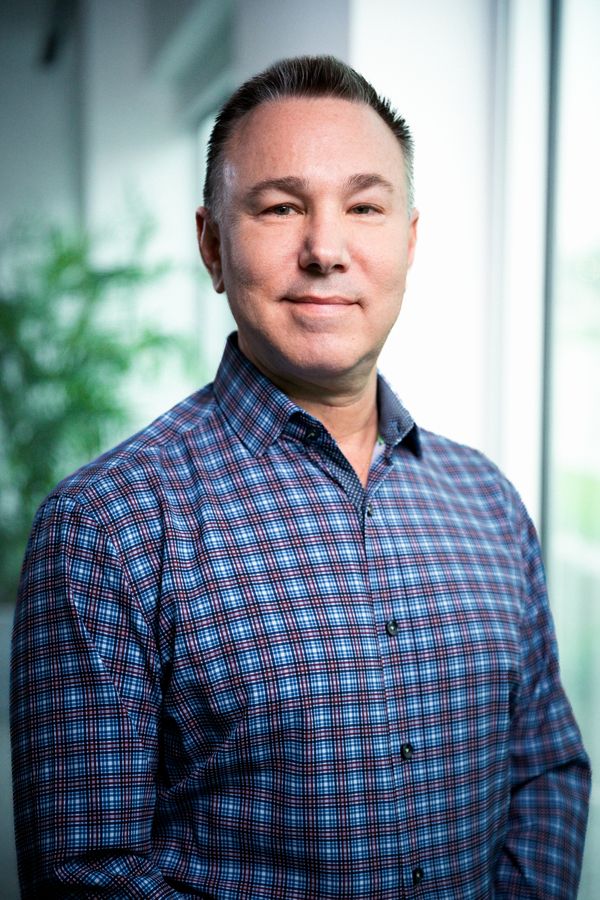
Eric Fierson
Guest
Eric Fierson has over 30 years of experience in emissions strategy, industrial engine development, and regulatory compliance across the energy and equipment industries. He has spent more than 13 years with Caterpillar’s Oil & Gas Division, where he supports emissions-related projects, regulatory engagement, and collaboration with customers, vendors, and industry groups. His earlier work included guiding product compliance efforts, supporting standards development, and coordinating testing and certification activities across multiple global partners. Eric’s combined technical and regulatory background helps him navigate practical challenges in today’s evolving emissions and compliance landscape.
LEARN MORE ABOUT CATERPILLAR OIL AND GAS
Your Business
 North America – English

Caterpillar Brands
- Caterpillar.com
- Contact Us
- My Marketing Preferences
- Site Map
- Cookie Settings
- Legal
- Privacy
- Do Not Sell or Share My Personal Information
- Accessibility Statement
- US-English
- © 2026 Caterpillar. All Rights Reserved.