
Drivetrain Repairs: Keep the System Clean, Save Money
Estimated read time: 6 minutes
Contamination is the silent thief of drivetrain components, according to Cat® system engineers and heavy equipment experts. It accelerates wear, increasing the frequency of drivetrain repairs and might lead to premature failure. And it is most often introduced during repairs and maintenance, especially when reinstalling wear parts like seals, plugs or gaskets.
When you follow best practices for maintenance and repair, you can help extend the life of your machine’s drivetrain. Here are some simple practices you can follow.
Drivetrain Preventive Maintenance
Preventive maintenance is the most cost-effective way to keep your drivetrain systems operating at peak performance. Often, the biggest challenge is making time to get it done.
Whether you do it yourself or work with your Cat dealer, this relatively small investment can help prevent component failures that cost significantly more. Preventive maintenance helps avoid system contamination with proper oil changes, regular inspections, S•O•S℠ Services fluid analysis and proper installation practices.
It’s difficult to control contamination risk out in the field. Your Cat dealer will always follow best practices for contamination control. If you decide to DIY your drivetrain maintenance, be sure to find a clean area to work in.
Perform Regular Oil Changes
Oil provides a protective film to separate transmission and final drive components, which operate with very tight tolerances. Any contaminants in the system, whether introduced from the outside or from within the system can build up, reducing the oil’s lubricating properties or increasing wear between parts.
Contaminants can also impact the performance of seals and gaskets, all of which can cause leaks or poor performance. Changing oil at proper intervals is critical to realizing maximum drivetrain life. Follow the recommendations in your Operation and Maintenance Manual (OMM) for the right oil and change interval for your machine.
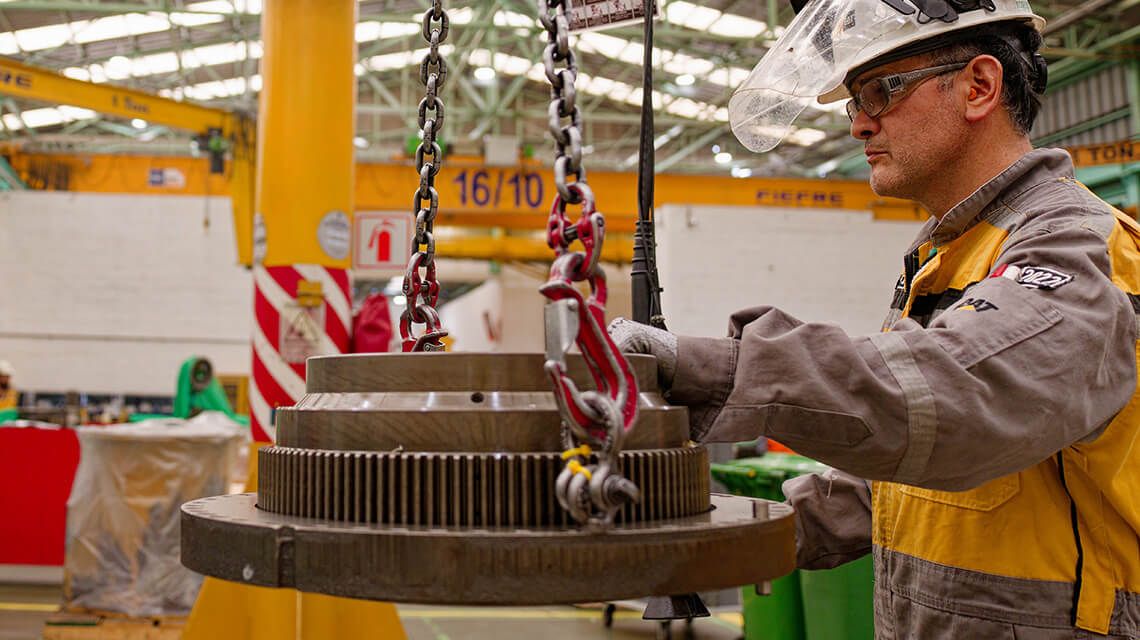
Use S•O•S℠ Fluid Analysis For Early Contamination Detection
Using a fluid analysis program from your Cat dealer can help you detect potential problems early and avoid unnecessary repairs. Here’s what is covered by drivetrain oil analysis:
Wear rate: detects, identifies, and assesses the amount and type of wear metals inside the oil.
Oil condition: determines whether the oil has degraded. Tests look at the viscosity, oxidation, sulfation and nitration levels.
Oil contamination: identifies whether anything harmful has entered the system by looking at elemental analysis, soot, particle count, water and coolant.
Oil identification: uses elemental analysis and viscosity results to identify key characteristics.
Avoid Contamination During Oil Changes
During the oil change process, you can reduce the chances of contamination by:
Working in a clean environment.
Using clean tools and surfaces.
Wearing gloves to avoid cross contamination.
Draining oil when it is warm and agitated.
Draining dirty oil as completely as possible.
Using a filtered transfer cart to add new oil.
Reduce Contamination: Use The Right Filter
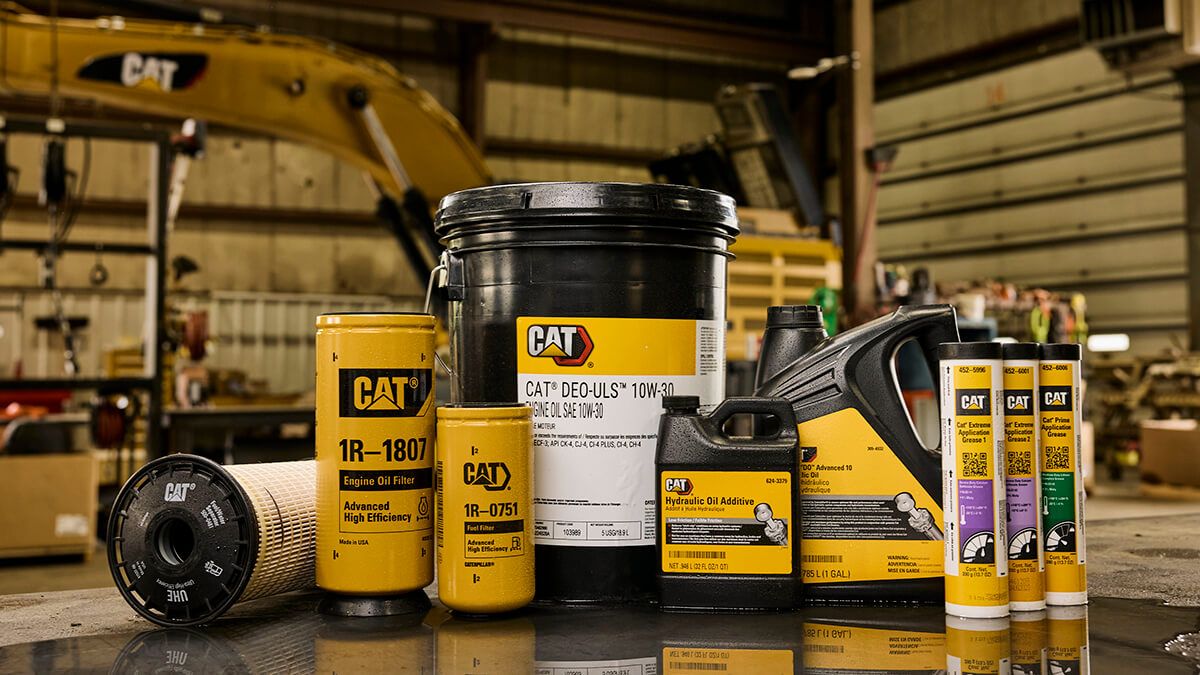
Fluid filters work in unison with your drivetrain oil to control contamination inside your system. When you select the right filters and change them regularly, you contribute to drivetrain system cleanliness.
Used filters contain contaminants, so remove filters carefully when it's time to change them out. This can help you keep contaminants from reentering the drivetrain system. In addition, keep new filters in their packaging until you are ready to install them.
Conduct Regular Inspections
Indications of contamination and potential component problems can be identified through inspections. You and your operators can take the first step in inspections by “listening” to your equipment.
“Noises” can often be the first symptom of a wear issue. Complete walk around visual and operating inspections are also important. Here are some warning signs that may indicate you need to take a closer look at your drivetrain.
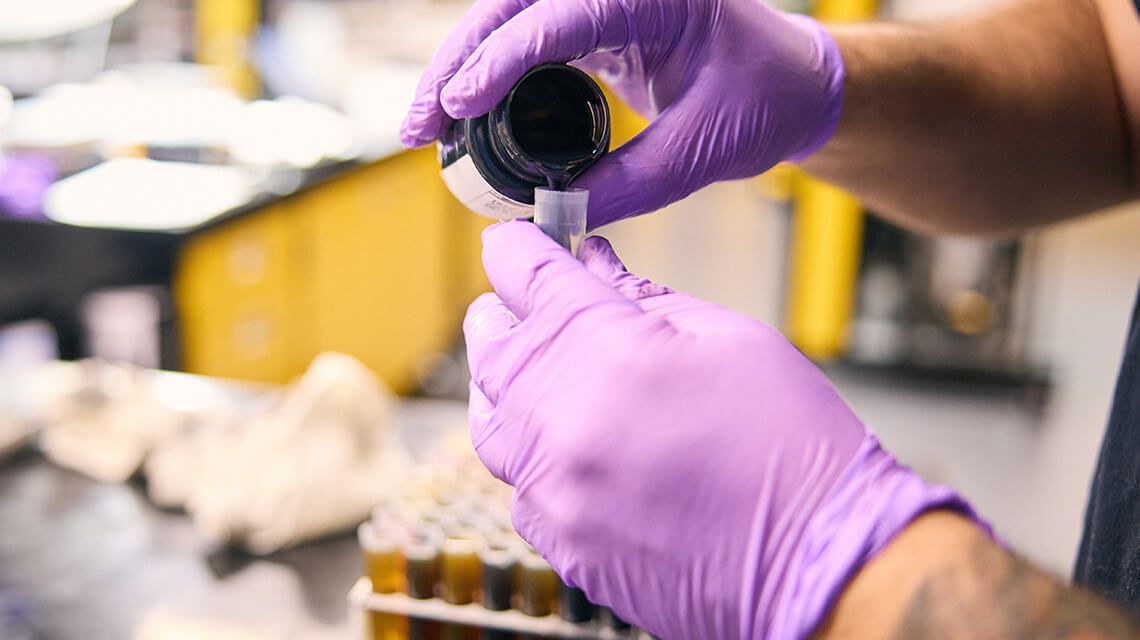
Final Drive And Transmission Warning Signs
Unusual noises might be due to:
- Worn gears or bearings
- Dirt entered during repair
- Aeration or cavitation
- Low fluid level
Vibration could indicate a bent drive shaft, gear or bearing failure.
If you feel the machine “hesitating” or if there is slippage, it could mean:
- The plates and discs are worn
- The wrong oil was used
- A linkage is out of adjustment
- The machine has the incorrect pressure settings
- Or low fluid level
Leaks could be caused by worn, hard or cracked seals.
If you find debris in the filter or on a magnetic screen, it means that contamination might have entered due to using the wrong oil, extending the oil change period, or there are worn gears or bearings and maybe disc disintegration.
Is overheating an issue? It might be due to:
- The wrong oil was used
- A plugged radiator
- A worn pump
- A worn pressure relief valve
- Worn or damaged seals
- Or a worn or dirty control valve
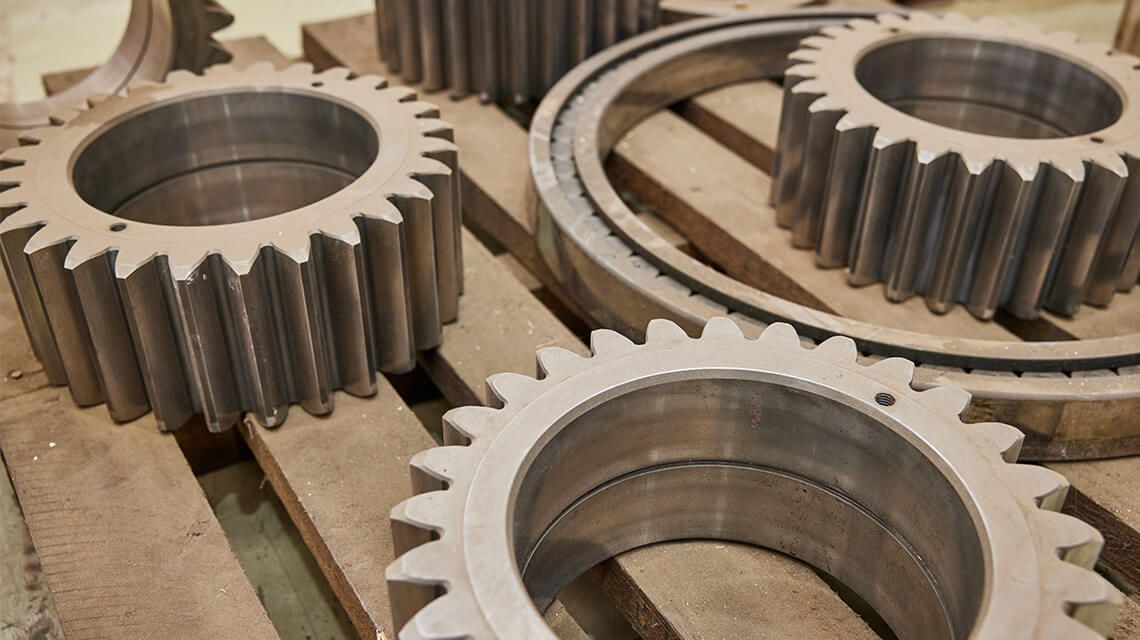
Respond Quickly to Warning Signs
Don’t ignore drivetrain warning signs. Use inspections, S•O•S fluid analysis and preventive checks to act early. Postponing action can lead to more costly failures. Various factors will determine what action you choose to take. Keep reading for some tips to help you make cost effective choices and help prevent more contamination:
Make Diagnostic Decisions Carefully
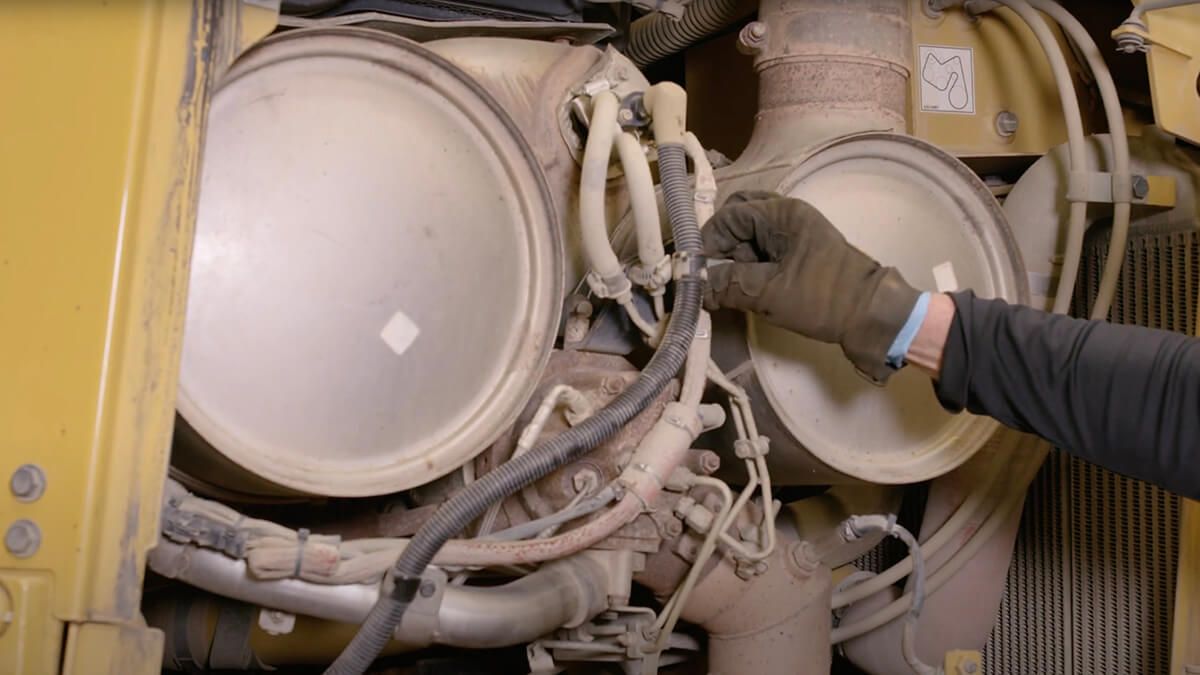
A single warning sign or “symptom” may have multiple causes and may not be enough to point to the correct action to take. For example, the source of a leak can be easily misdiagnosed. Leaks can appear to come from a lower point but actually be the result of a problem higher up in the system.
Gabriel Barraez
Cat Global Repair Solutions Consultant and Engineer
According to Gabriel Barraez, Cat Global Repair Solutions Consultant and engineer, “If a leak is not cleaned, pressurized and reinspected properly, the wrong seal or part may be blamed or replaced, wasting time and money.” The best approach is to use all the diagnostic information available including S•O•S fluid analysis and inspections and find the correct cause of a warning sign.
Avoid Contamination With Proper Installation
When a repair such as a reseal is needed to fix a leak, it is important the installation be done correctly and without contaminating the system. Misinstallation of reused or new seals such as pinching an o-ring or failing to inspect grooves or seating can lead to another leak and a repeat failure.
Unfortunately, it’s easy to assume that a new seal is defective rather than evaluate the installation process. Because resealing can include disassembly and assembly, your drivetrain is exposed to more opportunities for contaminants to enter the system as well as repeat failures. Even the highest quality parts cannot offset the effects of contaminants introduced during service and repairs.
Preventive maintenance best practices can help avoid system contamination with proper oil changes, regular inspections, S•O•S fluid analysis and proper installation practices. You should follow recommendations in the OMM for your machine and never hesitate to ask for assistance from your Cat dealer. Taking these steps can deliver benefits to your operation. These best practices can help:
Plan maintenance and repair costs more effectively
Prevent major failures and protect related parts and components
Repair before failure to reduce costs
Maximize parts reusability
Extend equipment life
Improve machine resale value
For more information on how to get the most out of your drivetrain, talk to your Cat dealer or browse our products at Parts.Cat.com.
Drivetrain Health FAQs
Q: What causes drivetrain damage in heavy equipment?
A: The most common causes are contamination and incorrect parts installation. Low-quality oil and skipping maintenance can also contribute.
Q: How do I know if my drivetrain is failing?
A: Watch for unusual noises, vibration, hesitation, leaks or overheating. These are early signs of damage.
Q: What is the best way to prevent drivetrain contamination?
A: Use clean tools and filters, gloves, and regular fluid analysis for early detection.
Q: Can drivetrain repairs be done in the field?
A: Yes, but there are higher contamination risks. Always follow clean repair best practices to reduce risk.
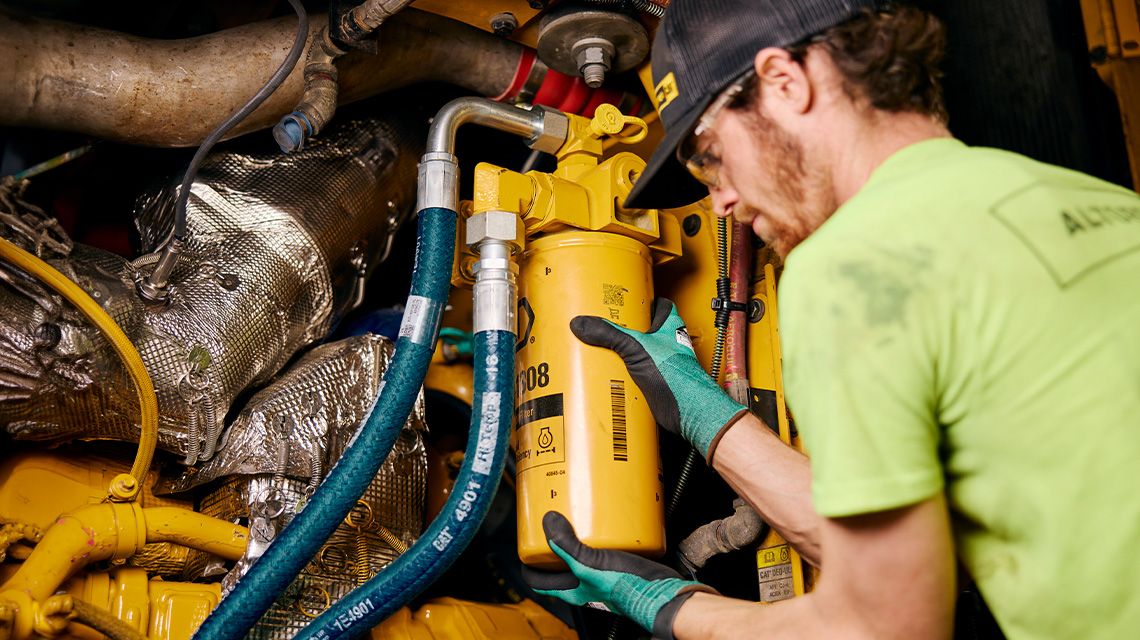
Your Business
 North America – English
Caterpillar Brands
- Caterpillar.com
- Contact Us
- My Marketing Preferences
- Site Map
- Cookie Settings
- Legal
- Privacy
- Do Not Sell or Share My Personal Information
- Accessibility Statement
- US-English
- © 2026 Caterpillar. All Rights Reserved.