
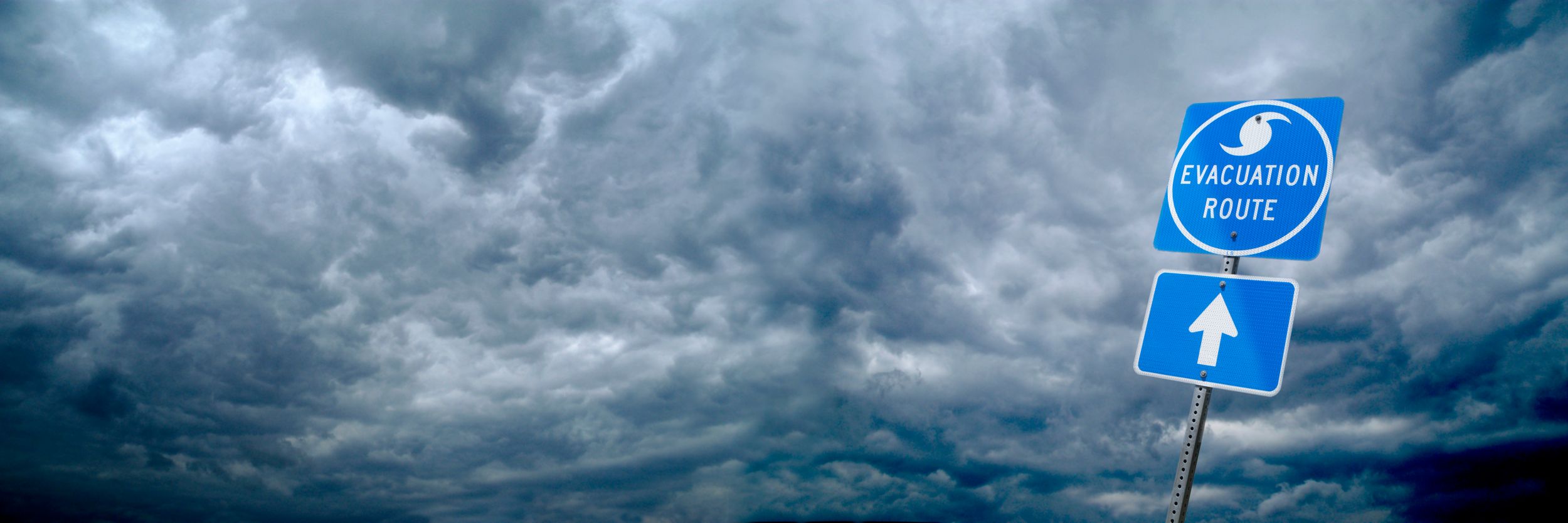
Evacuation 101
Guidelines For Safe Evacuation And 13 Clever Ideas To Help You Get Out With Less Headache
First things first – if you are ordered to evacuate, you should do it. There are many types of natural disasters that prompt an evacuation, including wildfires, hurricanes, and tornadoes. When weather forecasts predict these dangers before they strike, your county will call for an evacuation to keep everybody safe.
While evacuation is inconvenient, mandatory evacuation orders are issued for a good reason. Your property can always be replaced, but your family and employees cannot. When your area releases an evacuation order, you need to be ready so you can move efficiently and guarantee you'll have everything you need.
STEP 1: Decide What You're Going To Do Early.
It's essential to define your plans and expectations for evacuation before it happens, especially if you live in an area with frequent natural disasters. Make an evacuation guide for you, your family and your business. Figure out a safe place to go ahead of time, such as a relative's home, a hotel, or a public space like a community center.
Crowds can be challenging during a mandatory evacuation, so it's helpful to make your plans and act before everyone leaves. Shoot for five days to a week in advance. Early action is key to making sure you can get out, have a place to go, and protect your property as best you can.
STEP 2: Prepare Your Home And Business Before You Evacuate.
You want to mitigate damage to your property as much as possible while you’re away. Again, start early so you have time and supplies to do the job right. Most evacuations in North America are issued for storms or wildfires, and the type of disaster can guide your protective measures.
The following are good resources for each situation.
Hurricanes / Storms
Consumer Reports has a comprehensive guide to prepping your home for the water and wind that come with big storms. Their advice focuses on reinforcing the house and limiting damage wherever possible.
Bracing openings and elevating anything that corrodes can prevent collapse and water damage. They also recommend moving any loose items from the yard to limit projectiles in heavy winds. Take a picture of every area of your property, so you can identify damage when you return, and make sure to shut off your power and water before you leave.
For companies, the Small Business Association (SBA) provides a checklist for protecting your property. While you have to consider your physical space, like homeowners, it's also critical to protect your data by backing up computers and relocating essential records.
Wildfires
When you prepare for a wildfire evacuation, it will look a little different from hurricane prep. Cal Fire offers a helpful preparation checklist you can follow when you receive an evacuation order.
Most of these steps involve identifying flammable items and removing them. Items like window shades, curtains, propane tanks, and patio furniture can make it easier for the fire to spread. You should also move your furniture to the center of the room, away from all windows and doors.
You can help prevent the fire from spreading by covering any vents in your home with plywood or seals. You should also turn your gas off at the meter and shut off pilot lights. This source also recommends leaving your lights on so fire patrol can quickly identify smoke in your home.
Businesses have to think about more than just property. Project Wildfire has an FAQ for company preparation that describes several important steps. Along with protecting your assets, you need to prepare your employees with survival kits, hold the appropriate insurance and follow applicable industry regulations.
STEP 3: Execute Your Evacuation Plan
There are numerous evacuation plans available online, so rather than repeat the usual advice, we suggest you start with this list from the U.S. government.
When an evacuation order happens, it's essential to communicate with your family and employees. Everyone should know what to pack during evacuation and how to respond the minute the order is official.
You might choose to have an evacuation checklist to help everyone understand the process. You can include items like:
- Contact family out of state
- Secure your home
- Wear sturdy and comfortable clothes
- Note travel hazards
- Leave an evacuation notice
Other Practical Advice When Evacuating
Our additional advice primarily focuses on the gear and materials you'll want to be safe and feel comfortable during an evacuation:
- Get a road atlas.We recommend a paper atlas in case your phone service fails. Make sure you know how to get out of town without your phone navigation and plan multiple alternate routes so you don’t get trapped trying to evacuate.
- When you evacuate, bring your own bedding – blankets, pillows, linens, etc. If you evacuate to a hotel, you may find yourself with more people than beds and without enough bedding. In mass evacuation situations, hotels often don’t have enough bedding to cover all the extra guests.
- Pack a power supply. Bring chargers for your electronics and batteries. Electricity may be unreliable, so it's helpful to have an alternative power source.
- Grab a few irreplaceable items. Items like family photos and important documents should come with you. Keep a box of these irreplaceable things ready so you can grab it when you leave. If you have pets, you'll want to take them with you too. Make sure you have their food, water bowl and medications.
- Get a high-quality ice chest cooler.You want a cooler that can keep food cold for a long time. If you need to evacuate, you’ll want to take as much food as you can, and a good cooler will delay spoilage while you’re on the road.
- Download and complete / print all the FEMA, Red Cross, and other emergency documents prior to evacuating. You can save hours of standing in lines at the emergency stations.
- Got school-aged kids? Be sure to bring their school identification, last report card, and birth certificate. If you are evacuated long term, you will need to enroll children at a local school near your shelter.
- Check on your neighbors, especially the elderly. Some people don’t evacuate because they can’t, and you may be able to help.
- Keep a basic tool kit in your car. It's helpful to have a tool kit in your car at all times, but you'll be especially grateful for one during a mandatory evacuation. You should also check fluids and tires before you head out.
- Have a full tank of gas. You might sit in traffic for some time as everyone leaves, so you want to be prepared for idling when it happens. The fueling stations in your area will also have long lines. It's good practice to always keep your tank at least half full.
- Bring rolls of quarters for coin laundry at laundromats and hotels, and bring your own detergent too. You'll also want a generous amount of cash in case electronic ATMs fail or businesses can't take your credit card.
- Walkie talkies can be helpful to maintain communication between multiple vehicles if you have a caravan.
- Take essential medications. You won't know how long you'll be away from home, so make sure every member of your party has the medications they need to stay healthy.
Resources and Support

Related Articles
-
Rebuilding for Resilience
With the increasing occurrence of natural disasters around the world, rebuilding for resilience is an essential conversation within the construction community. It's time to reform our disaster response plans, and it begins with how we approach construction at its core.
Learn More -
Cat Financial Program Supports Customers During Disasters
Cat Financial’s Customer Care Program offers assistance to eligible customers whether they're impacted by disasters or crises.
Find out how -
The Generator Power Helped the Business Get Running Again
TIMELY SUPPORT: ‘We had no way to process credit cards, and people didn’t have access to cash.”
Learn More -
Cat® Rental Power Deployment Saves Millions Worth of Product
When Hurricane Michael battered the coastal region that includes Port St. Joe, Florida in October, not only did it knock out power, but sustained winds that reached 155 mph wreaked havoc with onsite backup generator sets. A Cat® Rental Power deployment saves millions of dollars worth of product.
Learn More



Your Business
 North America – English
Caterpillar Brands
- Caterpillar.com
- My Marketing Preferences
- Site Map
- Cookie Settings
- Legal
- Privacy
- Do Not Sell or Share My Personal Information
- Accessibility Statement
- US-English
- © 2026 Caterpillar. All Rights Reserved.