
Hydraulic Hoses and Fittings: Why Clean Hoses Matter
Estimated read time: 6 minutes
Hydraulics are the lifeblood of your machines, and hydraulic hose and couplings transport that power to keep your system performing at its best. Hose assemblies are often out of sight and out of mind, at least until something goes wrong.
One common cause of premature hose wear is contamination. And new, ready-to-install hoses can still be a major source of it.
Contamination often goes unseen, so it’s understandable for it to not be top of mind. However, it can be an impactful challenge in maintaining a hydraulic system. Make sure you know about common issues. These issues can reveal useful insights about hoses and fittings and can help you protect hydraulic performance.
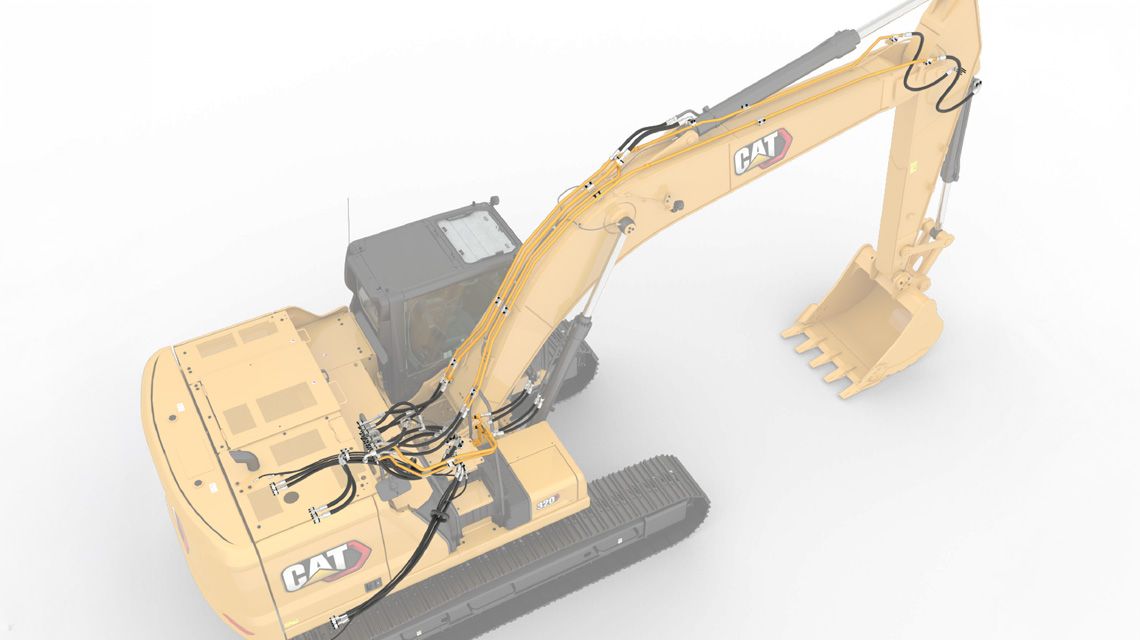
Here are some common misconceptions that challenge the longevity and productivity you get from hose assemblies.
Challenge 1: Assuming New Hoses Are Clean Hoses
It might seem logical that a brand-new hose is clean because no one has used it yet. Unfortunately, that’s not always true.
That is why Cat® dealers offer Certified Clean hoses using Caterpillar-designed tooling and software. These tools help them meet exact machine specifications for precision and durability.
The Cat Certified Clean Process:
Clean shop environment. Technicians work in a specialized clean space to prevent outside contaminants from entering hoses.
Contamination control. A specialized foam projectile cleaning process is performed at least twice during assembly, once after cutting and again following coupling crimping to make sure the internal pathways remain clear and free of debris.
Crimp verification. Technicians check each hose crimp against specifications because improper crimping can compromise safety and performance.
Protective measures. They wear latex gloves and cap hose ends during assembly, handling and installation.
A clean, properly built hose assembly helps reduce the risk of system failures, helping ensure your equipment operates reliably for longer periods of up-time. This process sets Cat Clean Certified hoses apart from other hose products available.
Challenge 2: Overlooking Contamination That Can Occur During Installation
Because you may need to replace hoses under time pressures, installations can happen in dirty environments or in the field with limited control. Uncapped hose ends might touch the ground, dirt or unclean surfaces, erasing their “clean” status before connection.
If a repeat failure occurs, people may assume the part is the problem, instead of the installation process.
Challenge 3: Assuming All Hoses Are of the Same Quality
We approach hose and couplings engineering methodically. We use a range of tests to evaluate both raw materials and finished components. These include rubber compression and elongation tests, wire tensile strength tests, temperature adaptability tests, flexibility tests, salt-spray corrosion tests, and metallurgical analyses. After testing each component, we test the entire hose assembly as a system.
Safety is our top priority. Cat hose assemblies undergo burst testing to verify that they don’t fail when subjected to four times their maximum working pressure. To confirm dependability, we impulse test high-pressure spiral XT hose assemblies for 1,000,000 cycles—double the SAE standard of 500,000 cycles.
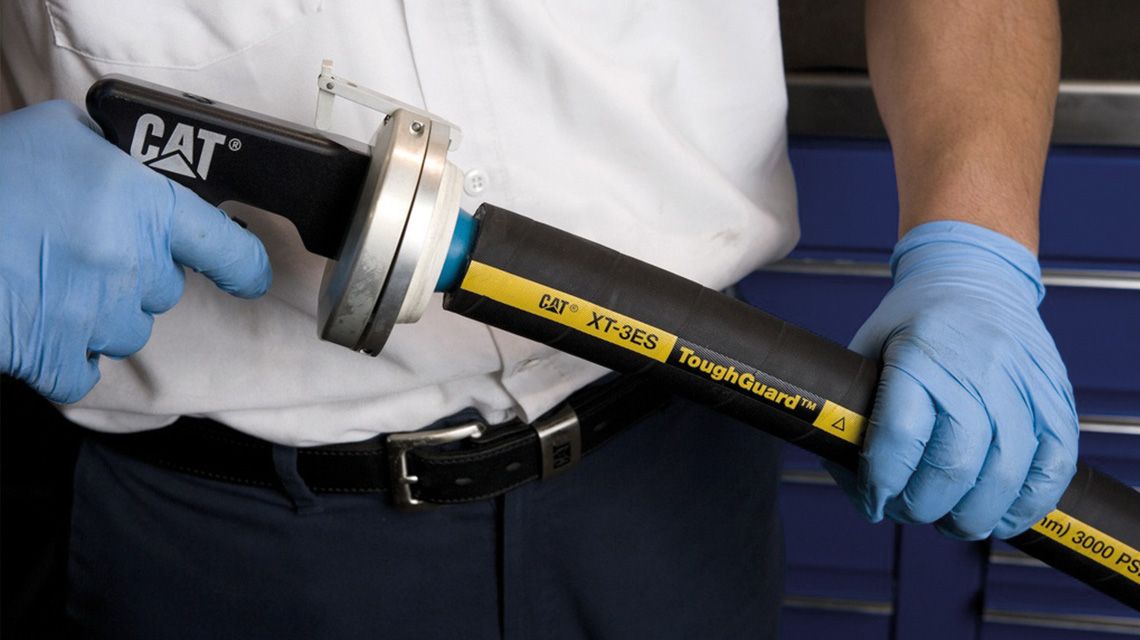
And because we build not only the machine but also the hoses and couplings, we understand the punishment these components face in the field — and how to make them last. For instance, we know the number one cause of hose failure is abrasion. That’s why we developed ToughGuard™ hose. Its ultra-high-abrasion-resistant polyethylene cover helps reduce downtime and cost by eliminating the need for plastic spiral guards and nylon sleeving.
Over time, these benefits can lower operating costs and add value with increased productivity. Other hoses may have a lower cost upfront at purchase but not deliver in the long-term value you realize with Cat hoses.
Challenge 4: Assuming Contamination Isn't Too Expensive
Contamination can be very costly, especially if or when it causes failure. A hydraulic component failure can lead to eight or more hours of downtime, system-wide damage, cleanup costs and even environmental fines, if on-site.
Compare the price tags of a quality hose and the contamination delivered by one of lower quality, and you’ll see that investment and prevention pay off.
Challenge 5: Thinking of Hoses As Standalone Parts
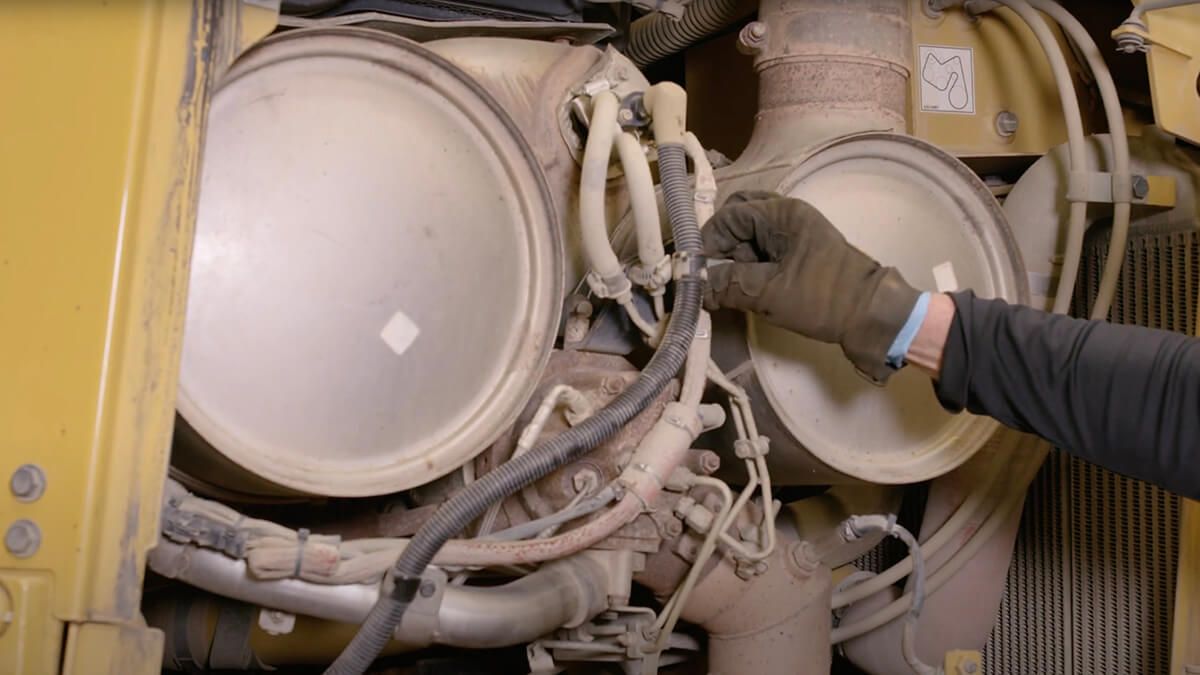
When hoses and couplings are ordered individually, it’s easy to overlook that they are integral parts of an entire hydraulic system. When failures happen, it’s important to look for root causes across the system. If you’re doing the work yourself, you can use tools like Cat Inspect or reference your Operation and Maintenance Manual (OMM) for guidance.
Your Cat dealer can also help diagnose issues and make sure you’re taking the right steps to help protect hoses and systems from contamination.
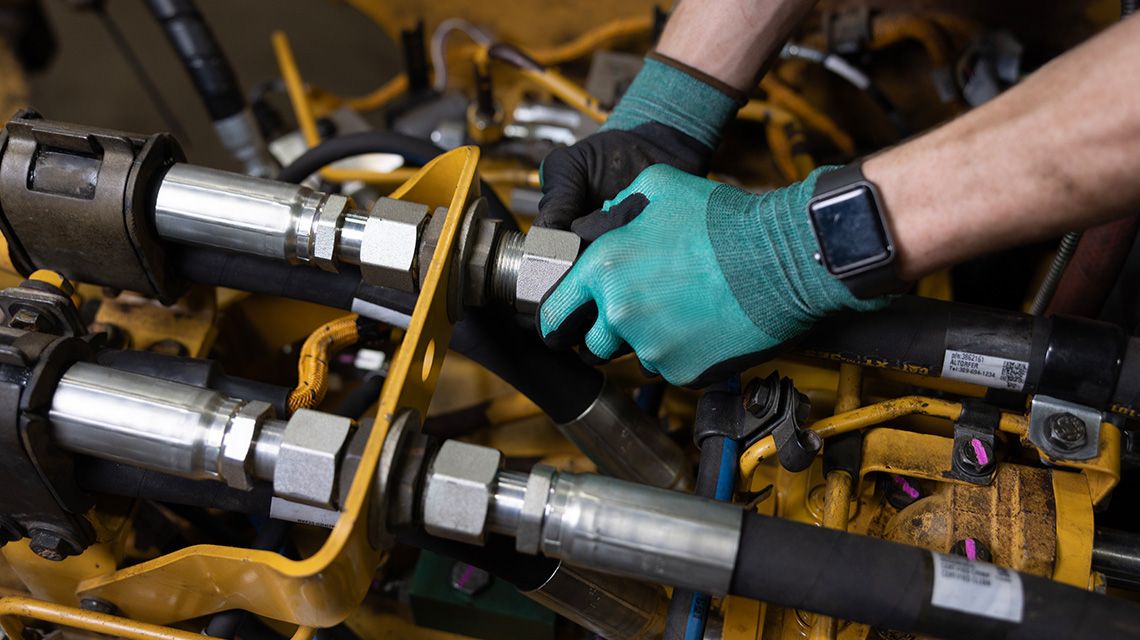
Three Easy Ways To Maintain Hoses
In addition to avoiding contamination, taking these three preventive maintenance steps can help keep your hydraulic system operating efficiently:
Conduct regular inspections. Visually inspect hoses for cracks, abrasions, bulges and leaks. Use tools like Cat Inspect to help detect wear before failure occurs.
Only install compatible parts. Choose hoses with appropriate pressure ratings and fluid compatibility. And make sure the materials are appropriate for your specific application and operating conditions.
Replace promptly. Replace any hose showing signs of wear or damage immediately to prevent catastrophic failures and to protect system and machine reliability.
You have several replacement options:
Online solutions. Get quick, convenient ordering and outstanding parts availability when you order genuine Cat hose assemblies online.
Do-it-myself solutions. Prefer to do it yourself? Assemble your own replacement hose onsite in your own shop. Your Cat dealer will provide all the parts inventory, tooling and training your crew needs to turn out top-quality hose assemblies for your entire fleet, regardless of brand.
Mobile solutions. When time is short, it’s good to know you can rely on your Cat dealer’s mobile hydraulic hose service, where available, to get you back to work quickly.
For more information on hydraulic system maintenance and hose and couplings, talk to your Cat dealer or find what you need at Parts.Cat.com.
Q: How are hydraulic hoses made?
A: They are built with an inner tube, reinforcement layers and an outer protective cover. High-quality hoses undergo strict testing.
Q: Who makes hydraulic hoses?
A: Many manufacturers make hydraulic hoses, but Cat hoses are built to strict standards and verified for contamination control.
Q: What is the best quality hydraulic hose?
A: The best hoses combine clean manufacturing, high-quality materials and precision fittings. Cat Certified Clean hoses are engineered for reliability and long life.
Your Business
 North America – English
Caterpillar Brands
- Caterpillar.com
- My Marketing Preferences
- Site Map
- Cookie Settings
- Legal
- Privacy
- Do Not Sell or Share My Personal Information
- Accessibility Statement
- US-English
- © 2026 Caterpillar. All Rights Reserved.