
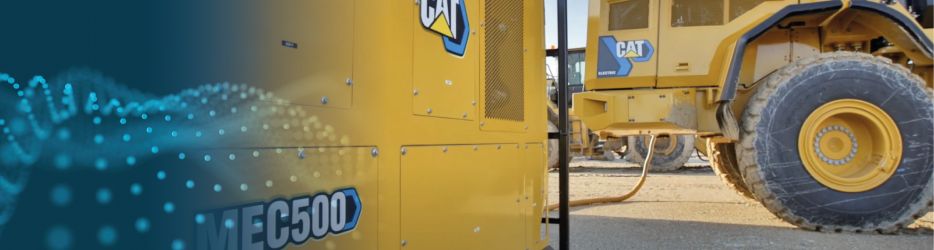
Learning in Real Time
How Field Experience is Powering the Future of Electrification
“What happens if my battery-electric equipment won’t start or breaks down?”
“I don’t know anything about batteries. Is it safe to work on one myself?”
“My dealer knows diesel equipment. Can they fix an electric product?”
“How much downtime is this all going to cost me?”
These are questions we hear every day from customers thinking about electrification. Maybe you’re asking some of them yourself, and you should be. There’s a lot to consider when bringing electric equipment into your operation. Beyond upfront factors like cost, charging, infrastructure and energy flow, you also have to think long term: how to keep everything running safely and reliably, day after day.
At Caterpillar, product support has always been at the heart of our commitment to customers. That doesn’t change with electrification — in fact, it matters now more than ever. Our goal is simple: when you’re ready to electrify your jobsite, your Cat® dealer will be ready, too. Here’s how my team is helping make that happen.
Connecting the Field, the Factory and the Future
Our official name is the Caterpillar Electrification + Energy Solutions Division’s Product Support Field Engineering team. That’s a mouthful. In simple terms, think of us as the link between customers, dealers and the engineers back at Caterpillar. Our mission is three-fold:
- Keep equipment up and running. We’re the boots on the ground, troubleshooting and repairing first-generation products in real-world applications. Our team makes sure Cat electric equipment operates safely, productively and efficiently wherever it’s being tested or piloted: construction sites, mines, marine vessels, locomotives, data centers, you name it.
Today, that means supporting tens of thousands of assets worldwide — machines, batteries, chargers, fuel cells and energy storage systems, and solving potential problems before these products ever reach your site. (We also work closely with dealers to support Cat diesel-electric equipment, which is far from new, having logged more than 50 million hours of operation to date.)
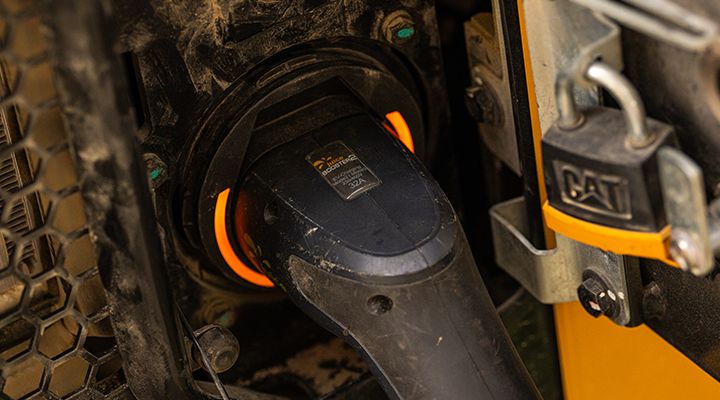
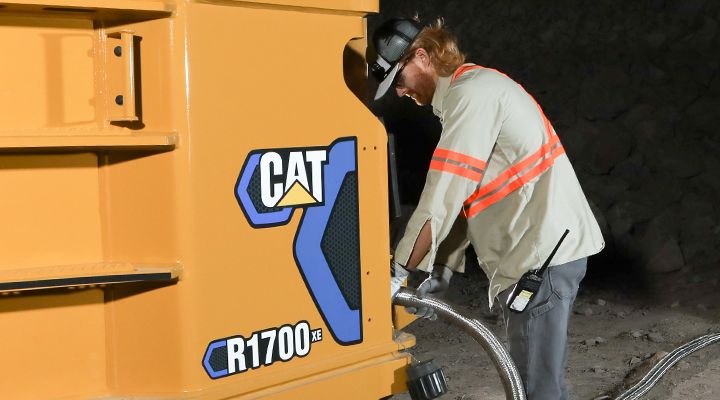
- Build dealer readiness and confidence. One of the many ways battery-electric equipment differs from diesel-powered equipment is that there’s no “off switch” for a battery. That changes how you work on it. We’re helping to train Cat dealers on how batteries operate, how to remove and service them safely, how to de-energize high-voltage components and how to commission chargers so they power up properly.
In many cases, we’re training the same dealer techs who’ve been maintaining Cat diesel-electric machines for years. They know these systems inside and out, so we’re learning from them, too. Their hands-on experience helps us develop safer, more efficient repair methods, while our field exposure helps them gain confidence with new technology.
- Turn field lessons into better products. Every day, we take note of what’s working and what’s not — and we share that frontline feedback early and often with our product engineering teams. Every challenge we solve in the field shapes design updates that help improve performance, boost reliability and simplify service for the next generation of electric products.
We also apply what we learn at our two battery repair hubs, where we help expedite product returns to customer sites as well as develop and document repair methods that go straight into dealer service guides. It’s all about turning real-world experience into real-world improvements.
Solving Today’s Problems, Shaping Tomorrow’s Designs
We’ve seen this approach pay off again and again in the field — finding solutions that help one customer today and improve reliability for everyone tomorrow. Let me share two quick examples:
- At a site in Arizona, a Cat 793 battery-electric mining truck finished charging but couldn’t release its cable, essentially not allowing the customer to utilize a fully charged machine. Working with the local dealer, our team developed a safe way to manually unlock the cable without risking an arc flash or blast. Feedback from the dealer tech helped refine the process, saving well over a day of downtime. We documented the solution and shared it across our dealer network. Now, if this issue happens again, there’s a standard procedure in place customers and dealers can follow to resolve it quickly and safely.
- At another site, an energy storage system (ESS) kept shutting down during startup. It didn’t trigger any fault codes, which made troubleshooting tricky. Was it the battery? The inverter? Everything looked fine on site, so we brought in our engineering team to dig into the data. That’s when we found the issue: the contractor who installed the system had misread the prints and wired the batteries incorrectly. We fixed the connections on site, then recommended updates to the engineering prints to prevent future mix-ups. In the meantime, we added this scenario to our ESS troubleshooting guide, so the next technician can spot and solve the issue in minutes instead of hours or days.
Building an Ecosystem That’s Ready When You Are
Electrification is changing how we think about performance — not just at the product level, but across your entire operation. From the energy that powers your equipment to the support that keeps it performing, every element must work in perfect harmony. That's why we’re focused on building an ecosystem that delivers what you expect from Caterpillar: high uptime, low total cost of ownership, reliable performance, and easy serviceability.
The lessons we’re capturing in the field today help ensure the products that reach you tomorrow are tested, proven and ready to perform. If and when you decide to electrify, you can be confident the support behind you — from our factory engineers to your local Cat dealer — is as strong as it’s been for the past 100 years.
We’re learning in real time, so you don’t have to learn the hard way.
Jeremy Byrd
Product Support Manager, Caterpillar Electrification + Energy Solutions Division
Jeremy Byrd is a strategic product support leader with over two decades of experience in engineering, new technology integration (NTI), and field operations. Currently managing support for advanced energy systems at Caterpillar, Jeremy drives initiatives that align technical execution with enterprise goals—ensuring readiness, reliability, and customer success across ESS, batteries, chargers, inverters, and PV platforms.
His career spans impactful roles at Chrysler Corporation, where he led engineering programs for Viper and NASCAR, Jeep chassis systems, and diesel synthesis integration. At Caterpillar, Jeremy has guided NTI efforts for diesel and gas platforms, applying deep engine design expertise to reduce cost, improve quality, and accelerate deployment.
Jeremy is known for his ability to translate complex technical challenges into strategic action, lead cross-functional teams, and influence decision-making at the enterprise level. His leadership is grounded in data-driven insights, operational discipline, and a commitment to continuous improvement.
Related Blogs
-
Fueling What's Next
Take a practical look at alternative fuels available for today's operations.
Learn More -
Innovations for Advancing Jobsite Energy Solutions
Read about two real-world examples of how a holistic approach helped construction companies navigate an evolving energy landscape.
Learn More -
Charging Ahead: 4 Questions to Ask Now
If you operate heavy equipment today — one machine or a fleet of hundreds — then you have some sort of refueling strategy in place. Maybe diesel gets trucked to your sites once or twice a day, so machines can fuel up and keep working with little interruption.
Learn More -
Going Electric? Go Digital, Too.
Think about what’s required to keep your diesel-powered machine running. For the most part, if you conduct regular preventive maintenance and keep it fueled up, you’re good to go. Things aren’t so simple with electric equipment.
Learn More -
Kicking Off Our Next Century of Innovation with the 972 Technical Demonstrator
2025 marks Caterpillar’s centennial year, and I can’t think of a better place to launch the celebration than CES 2025. Why’s that? Because innovation has driven our success — and more importantly, our customers’ success — for a century now. After all, Caterpillar was built on a breakthrough: Our founders revolutionized the work for farmers in the early 1900s by replacing the wheels on a tractor with tracks. The rest, as they say, is history.
Learn More -
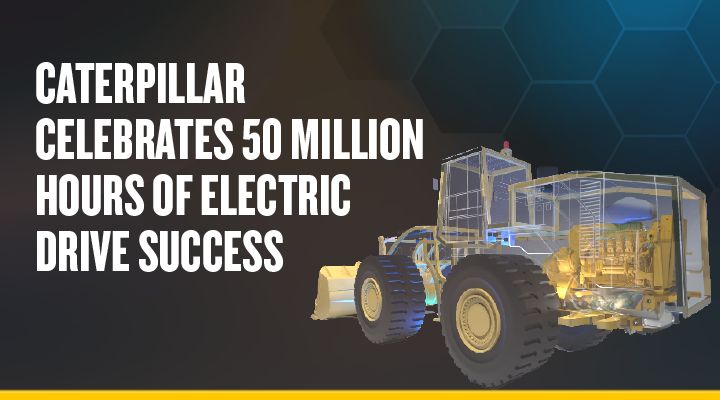
50 Million Hours of Electric Drive Success
Many of us think of electrification as a relatively recent trend. After all, it’s been less than 30 years since the launch of the first mass-produced hybrid vehicle (Toyota Prius) and just 15 since the debut of the first mass-market EV (Nissan Leaf).The fact is, from the mid-1990s through today, nearly 9,000 Cat® products with electric drivetrains have been working on customer sites. In 2024, that equipment topped 50 million hours of operation, which is equivalent to 5,704 years.
Learn More -
Holistic Solutions for Jobsites of the Future
See where electrification is headed and how you can have the most success in your energy transition journey.
Learn More


Your Business
 North America – English
Caterpillar Brands
- Caterpillar.com
- Contact Us
- My Marketing Preferences
- Site Map
- Cookie Settings
- Legal
- Privacy
- Do Not Sell or Share My Personal Information
- Accessibility Statement
- US-English
- © 2026 Caterpillar. All Rights Reserved.