
Understanding Generator Set Ratings
Smart rating choices combined with the latest in onsite power generation systems can help match equipment to a specific application for optimal long-term performance and reliability
Chad Dozier
Market Development Manager
Electric Power Division
INTRODUCTION
Generator set ratings may seem complex, but their basic purpose is simple: fit the application needs at the optimum reliability, performance, and cost. An improper rating means either buying more capacity than needed or risking shorter life to overhaul, more repairs, and more downtime. Ratings have changed in recent years, and more sophisticated switchgear can be integrated with generator sets. That means more flexibility to specify generating systems that closely match a specific installation requirement.
The key to choosing the right rating is to understand the application in detail. That means not only knowing the type of duty but also answering:
- What is the average load factor?
- What is the maximum required load?
- How many hours per year will the generator sets run?
- Will the generator sets be run isolated from or in parallel with the utility?
GENERATOR RATINGS DEFINED: PRIME, STANDBY POWER AND MORE
Caterpillar defines six basic generator set ratings: Emergency Standby Power (ESP), Standby, Mission Critical, Prime, Prime-DCP and Continuous. Cat generator set ratings differ in certain respects from those defined by the industry standard ISO8528-1 (Table 1).
| ISO 8528-1 Rating | Caterpillar Rating | ||
|---|---|---|---|
| Rating | Definition | Rating | Definition |
| Emergency Standby Power (ESP) | The maximum power available during a variable electrical power sequence, under the stated operating conditions, for which a generating set is capable of delivering in the event of a utility power outage or under test conditions for up to 200 hours of operation per year with the maintenance intervals and procedures being carried out as prescribed by the manufacturers. The permissible average power output over 24 hours of operation shall not exceed 70% of the ESP rating. | Emergency Standby Power (ESP) | Output available with varying load for the duration of the interruption of the normal source power. Average power output is 70% of the standby rated ekW. Typical operation is 50 hours per year, with maximum expected usage of 200 hours per year. |
| No ISO 8528-1 equivalent | Standby | Output available with varying load for the duration of the interruption of the normal source power. Average power output is 70% of the standby rated ekW. Typical operation is 200 hours per year, with maximum expected usage of 500 hours per year. | |
| No ISO 8528-1 equivalent | Mission Critical | Output available with varying load for the duration of the interruption of the normal source power. Average power output is 85% of the mission critical rated ekW. Typical peak demand up to 100% of rated ekW for up to 5% of the operating time. Typical operation is 200 hours per year, with maximum expected usage of 500 hours per year. | |
| Prime Power (PRP) | The maximum power which a generating set is capable of delivering continuously while supplying a variable electrical load when operated for an unlimited number of hours per year under the agreed operating conditions with the maintenance intervals and procedures being carried out as prescribed by the manufacturer. The permissible average power output over 24 hours of operation shall not exceed 70% of the PRP rating. | Prime | Output available with varying load for an unlimited time. Average power output is 70% of the prime rated ekW. Typical peak demand is 100% of prime rated ekW with 10% overload capability for emergency use for a maximum of 1 hour in 12. Overload operation cannot exceed 25 hours per year. (No overload for gas generator sets) |
| Limited-Time Running Power (LTP) | The maximum power available, under the agreed operating conditions, for which the generating set is capable of delivering for up to 500 hours of operation per year with the maintenance intervals and procedures being carried out as prescribed by the manufacturers. | Load Management (Prime) | Output available with varying load for maximum 500 hours a year. Average power output is 100% of the prime power rating. Typical peak demand of 100% of prime-rated ekW. Overload operation not available. |
| Data Centre Power (DCP) | The maximum power which a generating set is capable of delivering while supplying a variable or continuous electrical load and during unlimited run hours. Depending on the sites to supply and the availability of reliable utility, the generating set manufacturer is responsible to define what power level he is able to supply to fulfil that requirement including hardware or software or maintenance plan adaptation. | Prime-DCP | For data center applications only. Prime-DCP power output available with varying load for unlimited time. Average power output is not to exceed 100% of Prime-DCP rated ekW. Typical peak demand is 100% of the prime-DCP rated ekW with 10% overload capability for emergency use for a maximum of 1 hour in 12. Overload operation cannot exceed 25 hours per year. |
| Continuous Power (COP) | The maximum power which the generating set is capable of delivering continuously while supplying a constant electrical load when operated for an unlimited number of hours per year under the agreed operating conditions with the maintenance intervals and procedures being carried out as prescribed by the manufacturer. | Continuous | Output available with non-varying load for an unlimited time. Average power output is 70–100% of the continuous rated ekW. Typical peak demand is 100% of continuous rated ekW for 100% of the operating hours. |
Here are basic descriptions of the Cat genset ratings:
Standby Power
In this application, the generator set is capable of providing emergency backup power at the nameplate rating for the duration of an outage. The average load factor of a Standby rated generator set should be no more than 70% of the nameplate rating and applied to varying loads. A Standby generator set can run for a maximum of 500 hours per year. The normal standby rating is not for use in utility paralleling applications. For example, a 3 MW standby rated generator set will provide power for the duration of an outage. It should be run for up to 500 hours per year and have an average load factor of 2.1 MW.
Emergency Standby Power (ESP)
The ESP rating differs from the Standby rating only in the number of running hours allowed per year. ESP ratings allow a maximum running time of 200 hours per year at a 70% average load factor with varying load. An example of the Standby and ESP ratings are shown in Figure 1.
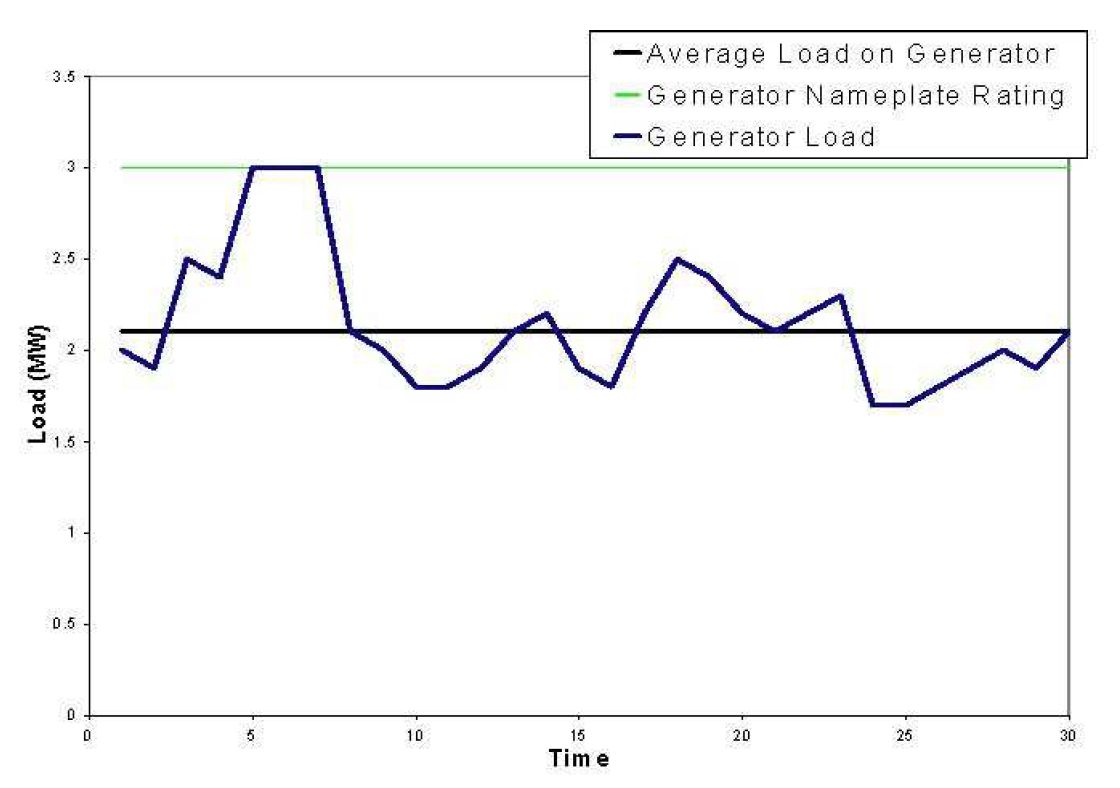
Figure 1: Example Load Profile – 3 MW Standby Rating
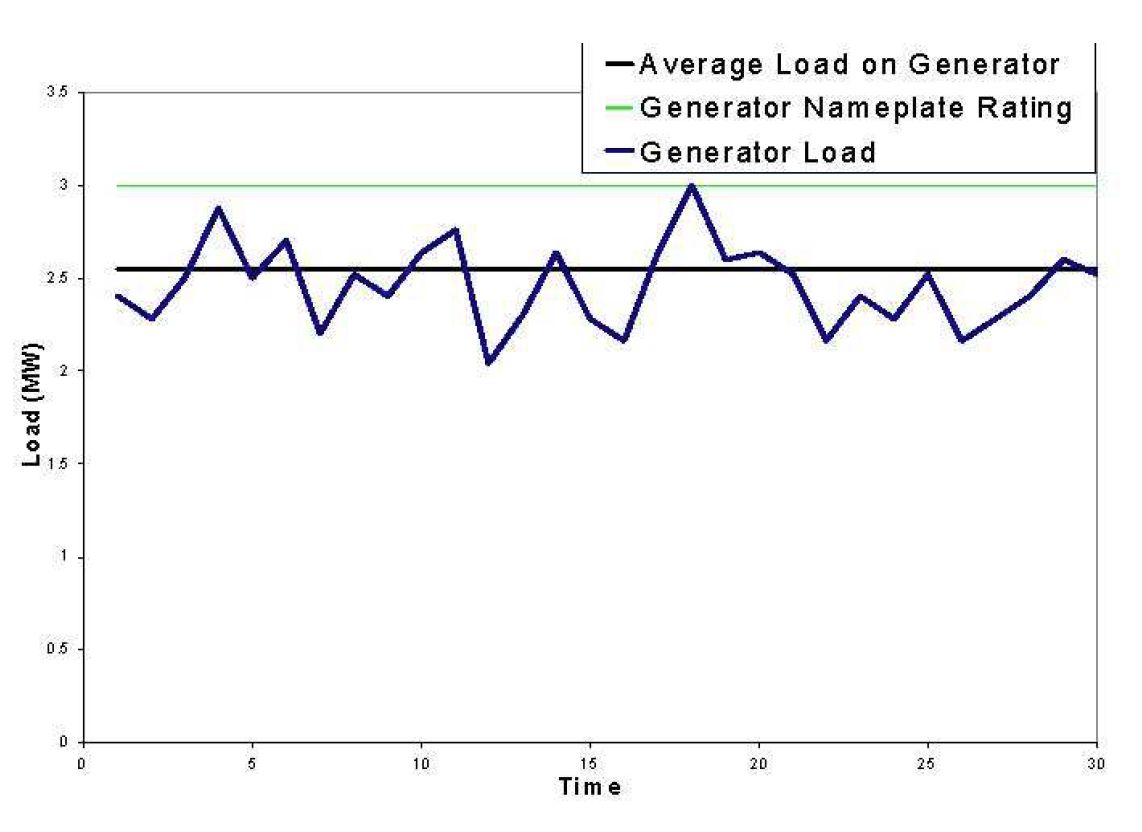
Figure 2: Example Load Profile: 3MW Mission Critical Standby Rating
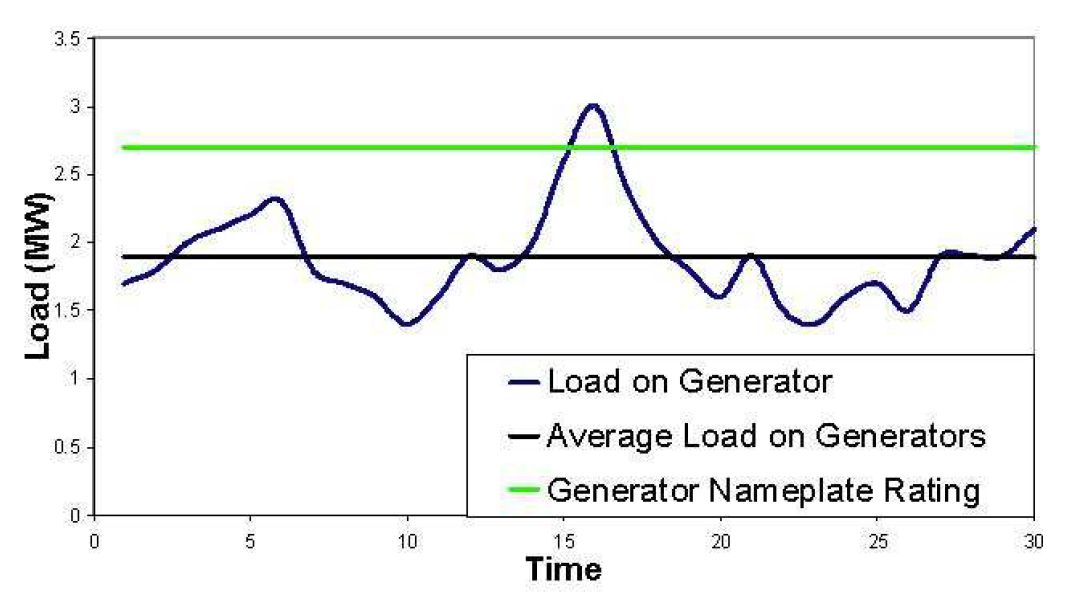
Figure 3: Example Load Profile: 2.7 MW Prime Rating
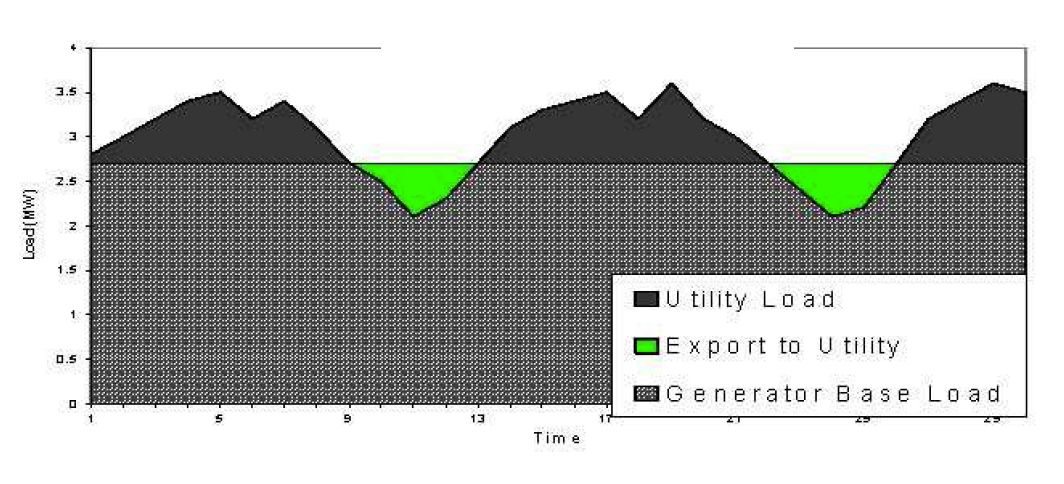
Figure 4: Example Load Profile – 2.7 MW Load Management (Base Loading)
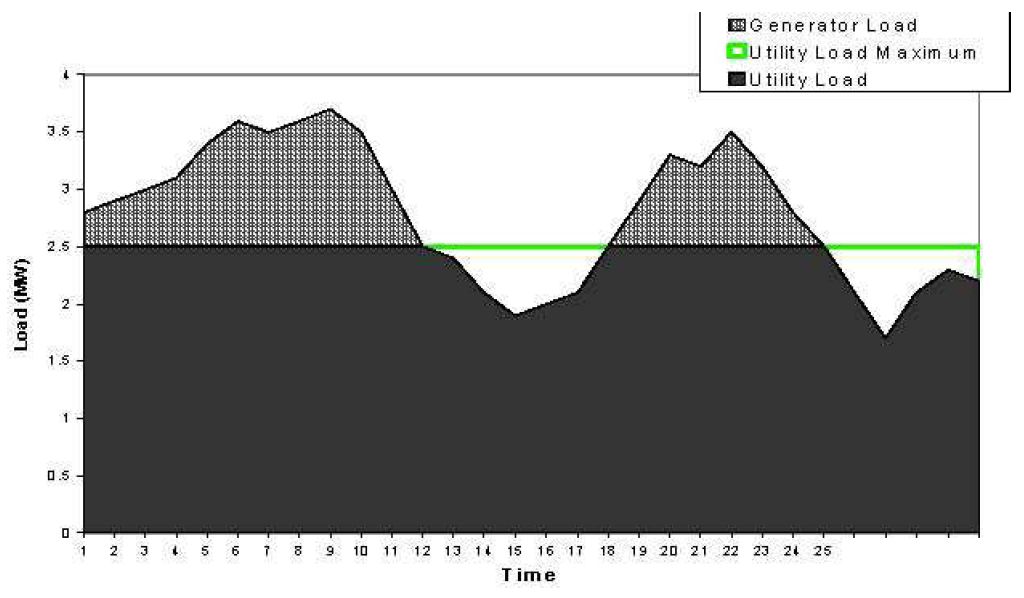
Figure 5: Example Load Profile – 2.7 MW Load Management (Peak Shaving)
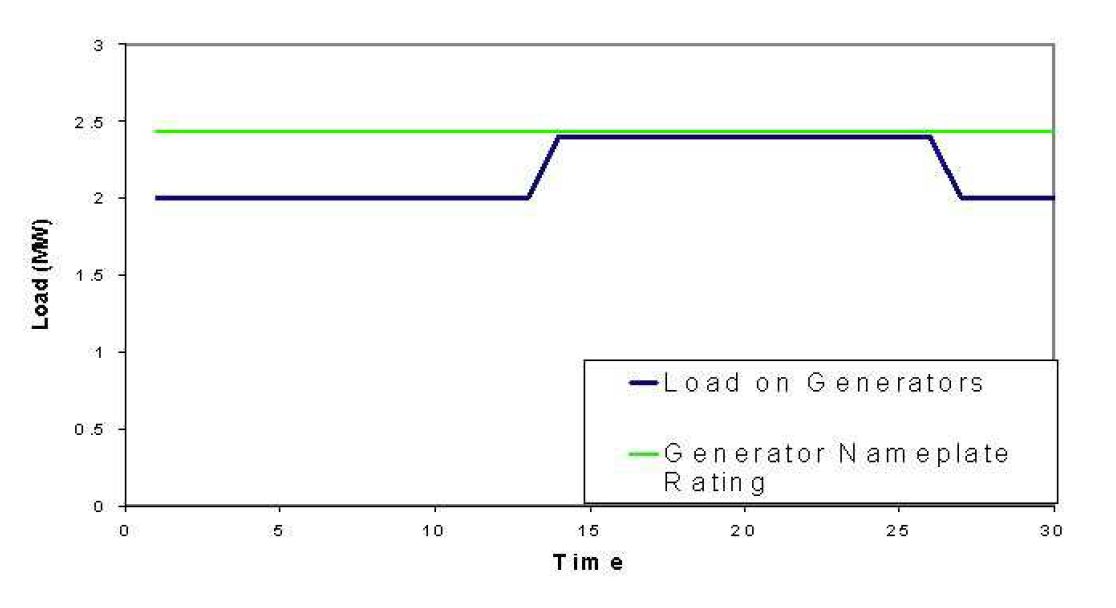
Figure 6: Example Load Profile – 2.5 MW Continuous Rating
Mission Critical
In this application, the generator set is capable of providing emergency backup power at the nameplate rating for the duration of an outage. The average load factor of a mission critical rated generator set should be no more than 85% of the nameplate rating with varying loads. A mission critical generator set can run for a maximum of 500 hours per year. Typical peak demand is 100% of the rating for maximum of 5% of the operating time. The mission critical rating is not for use in utility paralleling applications. An example of the mission critical rating is shown in Figure 2.
For example, a 3 MW mission critical standby-rated generator set will provide power for the duration of an outage. It could be run for up to 500 hours per year and have an average load factor of up to 2.55 MW.
Prime
In this application, the generator set is capable of providing power to a varying load for an unlimited number of hours per year. A Prime rated generator set is capable of providing full nameplate rating for a period of time, but must have an average load factor of no more than 70% of the Prime rating. Ten percent overload is allowed for emergencies for a maximum of 1 hour in 12, and for no more than 25 hours per year. The standard prime rating is for use in either utility paralleling or isolated applications. For example, a 2.7 MW rated unit may provide the full nameplate rating for a short duration, but should have a maximum average load of 1.89 MW (not including generator set non-running time per ISO8528-1). The generator set can also provide 3 MW of power in emergencies as defined above. An example of the Prime rating is shown in Figure 3. Prime-DCP differs by allowing up to 100% average load factor in data center applications.
LOAD MANAGEMENT
A Prime rated generator applied under load management guidelines allows for a Prime rated generator set to be used in parallel with the utility. A Prime rated generator set under load management guidelines can run for a maximum of 500 hours per year. This generator set has the same nameplate rating as a Prime rated unit, but allows for an average load factor of up to 100%. The Prime rating with load management guidelines does not allow for a 10% overload capability. For example, these guidelines state that a 2.7 MW unit (same nameplate rating as the Prime rated unit) can be run at 2.7 MW for a maximum of 500 hours.
Load Management Practices
There are two basic load management practices: base loading and peak shaving. In base loading, the generator set operates at a fixed kW output, and the utility provides power for any peaks above that level. In this scenario the end user may export power to the grid if more power is being generated then is required by the facility loads, and the appropriate agreements with the utility are in place. An example of base loading is shown in Figure 4.
In peak shaving, the utility provides a fixed amount of kW and the end user deploys the generators to pick up, or shave, demand peaks and any other load requirement over that fixed amount of load. Peak shaving can be used during times of the year when the utility has demand higher than its capacity. In this case, the utility provides incentives to generator set owners to use peak shaving to decrease the load demand from the grid. An example of peak shaving is shown in Figure 5.
Continuous
In this application, the generator set is able to provide power to a non-varying load for an unlimited number of hours per year. The average power output of the generator set is 70 -100% of the rating. The rating is designed to provide 100% of the rating for 100% of the operating hours. Typical Continuous rating applications include base loading in parallel with the utility and co-generation operations. An example of a continuous rated generator set is shown in Figure 6.
Performing Dual Duty
Intelligent use of ratings also can help customers use power systems for the added purpose of load management. Here, advanced switchgear is part of the equation. In some applications there may be a desire to use backup generators for load management to produce an additional return on their investment. However, standby rated generator sets are not intended for operation in parallel with the utility. To perform utility paralleling applications a prime rating with load management guidelines or a continuous rated unit are appropriate. Paralleling switchgear combined with the correct prime rated units is required when operating under load management guidelines. The switchgear controls provide increased system flexibility allowing generator sets to operate in parallel with the utility. The switchgear is able to control the load on the generator sets and monitor the power supplied from the utility. This ensures that the generator sets are providing the proper load and are not operating outside of their rating guidelines.
CONCLUSION
Regardless of the application, generator ratings help ensure that customers’ power needs are met and that generating equipment is protected from premature wear. Choosing the right rating means making the proper tradeoffs between run hours, peak load, and average load. The proper rating means the customer receives the optimum combination of installed cost and long-term cost of ownership.

Your Business
 North America – English
Caterpillar Brands
- Caterpillar.com
- My Marketing Preferences
- Site Map
- Cookie Settings
- Legal
- Privacy
- Do Not Sell or Share My Personal Information
- Accessibility Statement
- US-English
- © 2026 Caterpillar. All Rights Reserved.