

Grid 2035: One Vision for a Stronger System
Industry Leaders Discuss What Must Change Now
Imagine it’s 2035. Demand is higher than anyone predicted a decade earlier. Storms are more frequent and severe. Data centers draw enormous loads. Electrification has expanded across industries. Yet the grid is holding. How?
That conversation took place at DTECH 2026, where leaders from utilities, venture capital and energy technology firms joined Cat® Electric Power to examine how the industry must evolve to meet rising demand and reliability challenges.
The takeaway from “Grid 2035: Rethinking the Utility for a Decade of Disruption” was clear: tomorrow’s grid won’t be defined by a single technology or policy decision but instead by how quickly the industry adapts – in process, mindset and execution. Here’s one view of what that future could look like.
Traditional planning models were built around steady forecasts and gradual growth. Large data centers and electrification projects introduced timelines that didn’t align with those assumptions.
That gap forced change.
Decision cycles shortened. Planning became more iterative. Teams evaluated new load faster, supported by stronger scenario modeling. Culturally, utilities grew more comfortable testing new approaches and adopting what worked.
Now the grid doesn’t have to catch up to demand. It moves alongside it.
Distributed energy once was treated as something happening at the customer site, separate from core grid operations. Interconnection queues stretched out, and smaller projects were reviewed like large power plants.
As capacity tightened, that separation no longer made sense.
Utilities integrated distributed energy resources into reliability planning. They simplified interconnection processes, brought behind-the-meter assets into planning conversations earlier and made customers with flexible assets part of coordinated strategies.
Now distributed energy isn’t an afterthought. It’s integrated into how the grid operates.
Energy debates used to center on single solutions: more renewables, more storage, faster electrification. The path forward was often framed as a choice between options.
That framing proved too narrow.
Utilities recognized that reliability rarely comes from one source. Planning shifted toward balance. Solar and storage expanded. So did fast-responding natural gas generation. Microgrids played a larger role for critical facilities. In many cases, existing assets were upgraded rather than retired.
Now the grid isn’t built around one energy resource. It relies on a mix designed to handle variability, peak demand and unexpected events.
Once, utilities were surrounded by data. Sensors in the field. Dashboards in control rooms. But information often lived in separate systems and was reviewed by separate teams.
That fragmentation limited responsiveness.
Utilities shifted from collecting more data to using it better. They integrated systems – often through advanced energy management platforms – so operators could see and respond to issues sooner. Artificial intelligence connected weather events to equipment performance and identified emerging risks. Engineers and operators remained central to decisions, but they worked with clearer, faster insight.
Now the grid doesn’t just deliver power. It continuously monitors conditions and adjusts as they change.
Utilities were long defined by infrastructure. But as systems grew more digital and interconnected, organizational structures often remained siloed, and traditional hiring pipelines struggled to keep pace.
That misalignment slowed progress.
Utilities invested in people. They recruited engineers and data specialists alongside power system experts. They trained teams to work across digital and physical systems and reduced silos between planning, operations and customer groups. In many cases, they adopted practices more common in tech companies: continuous learning, cross-functional collaboration and shorter paths from pilot to implementation.
Alignment extended beyond utility walls as well. Stronger relationships with regulators, capital providers, technology collaborators and large customers moved new approaches from concept to deployment more efficiently.
Now the grid isn’t powered by infrastructure alone. It’s powered by people prepared to adapt and lead.
This vision of 2035 isn’t a forecast. It’s one possible outcome, shaped by the actions utilities, regulators, investors and customers take today.
The path forward won’t look identical in every region. Region structures differ. Policy environments vary. Technology continues to evolve. But the key themes raised in the DTECH 2026 discussion – speed, balance, coordination and collaboration – are already influencing how leaders think about the next decade.
To hear the full conversation and explore these ideas in greater detail, watch the on-demand webinar. And if you’re evaluating how your organization can move toward a more flexible, resilient power strategy, connect with one of our experts to continue the discussion.
Related Blogs
-
The Brains Behind Efficient, Future-Ready Power
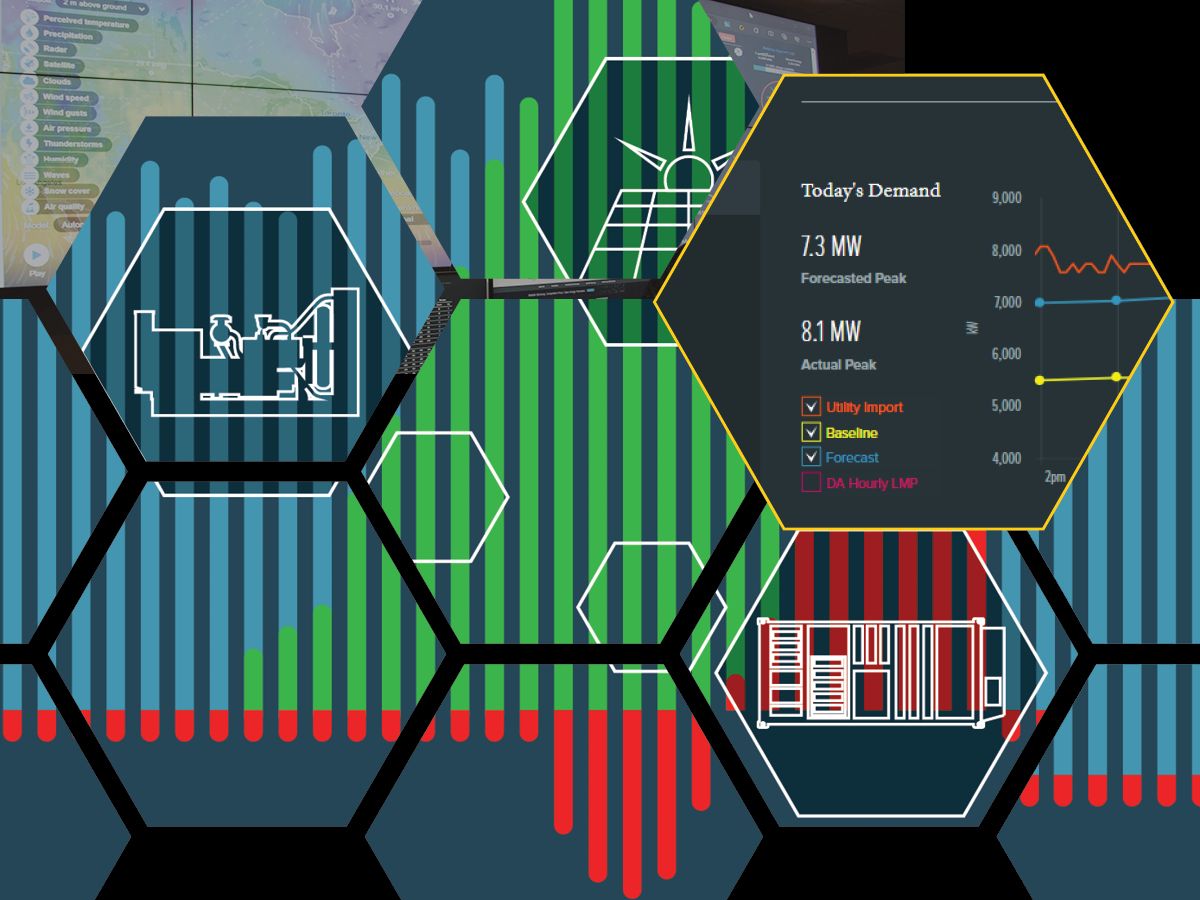
Whether you’re adapting now or planning ahead, your power system needs to flex with your strategy. That’s where an energy control system comes in. Like the smart thermostat in your home that automatically balances comfort and efficiency as conditions change, controls act as the decision-maker for your power setup — from individual assets to entire sites. The result: a coordinated system that continuously adjusts to meet your cost, carbon and reliability goals.
Learn More -
Delivering Excellence: Energy, Data and Savings
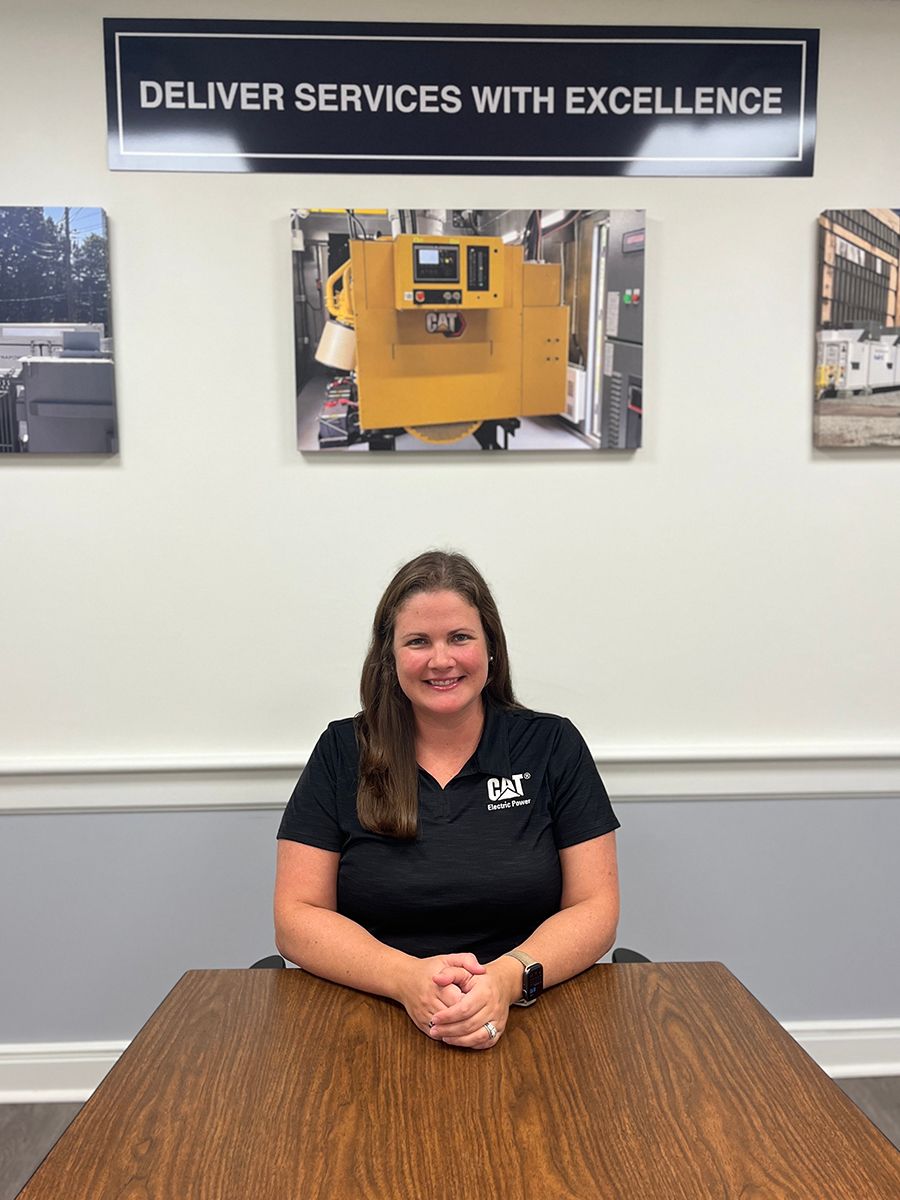
What do thousands of data points, one very busy power grid and an endless supply of sourdough pretzel nuggets have in common? They’re all part of a typical day for Claire Gramlich. With extreme weather, unpredictable demand and equipment spread across four time zones, it’s hard to call any day “typical.” But to get a sense of how Claire and her team keep power flowing — and costs down — for Cat AMP customers, here’s a look at one record-hot July day last summer.
Learn More -
Reliability Is An Inside Job
Maintaining reliable power is getting more complex. Aging infrastructure, rising demand and frequent severe weather all contribute to a less stable grid. Add the growing use of solar and wind - valuable resources, but inherently intermittent - and many organizations now depend on gensets to bridge capacity gaps and keep operations steady. And now, because of all these changes, gensets are running far more often than expected. Equipment once thought to start up once a year is now being called upon to run four or five times annually - a trend that continues to rise as grid instability grows.
Learn More -
Reliability and Resiliency: How Co-ops Can Achieve Both, Affordably
Achieving reliability and resiliency may sound expensive, but it doesn’t have to be. Your co-op can take practical steps now by combining local generation with smart technology, known as distributed energy resources (DERs) and a distributed energy resource management system (DERMS).
Learn More

Your Business
 North America – English
Caterpillar Brands
- Caterpillar.com
- My Marketing Preferences
- Site Map
- Cookie Settings
- Legal
- Privacy
- Do Not Sell or Share My Personal Information
- Accessibility Statement
- US-English
- © 2026 Caterpillar. All Rights Reserved.