
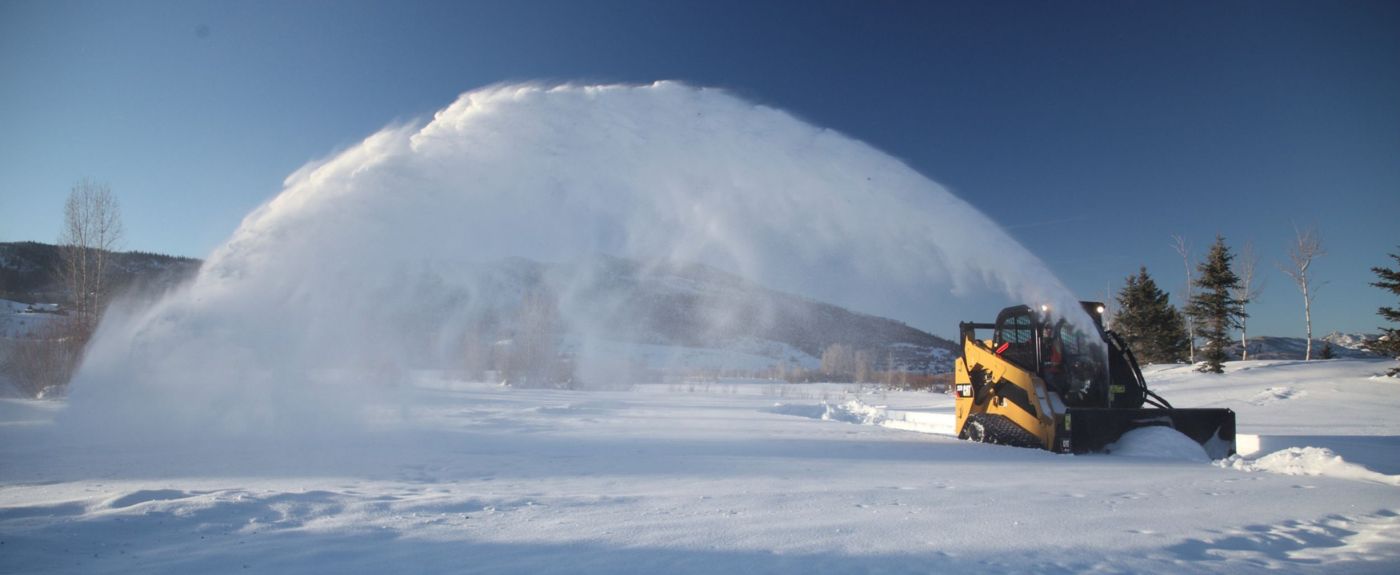
How to Stay Warm When Working in the Cold
Get the job done comfortably and safely when you're working in the cold.
By Caterpillar | Updated: February 2024
Hard work doesn’t stop just because it’s cold outside. We’ve put together tips so you can get your job done comfortably and safely, even during the cold winter.
1. Dress in Multiple Layers
Multiple lighter layers are better than one thick layer. Why? Because the air warmed by your body heat gets trapped between each layer. More layers = more warm air keeping you comfortable. Each layer serves a different purpose:
- Base Layer: This should be a close-fitting layer made of moisture-wicking stretch material. The material lets you move and keeps you dry.
- Insulation Layer(s): This should be a material like fleece or wool that will trap your body heat. You can wear two separate insulation layers if needed. The first should be lighter and closer fitting, such as a fleece sweatshirt. The second should be heavier and loose-fitting, like a down jacket.
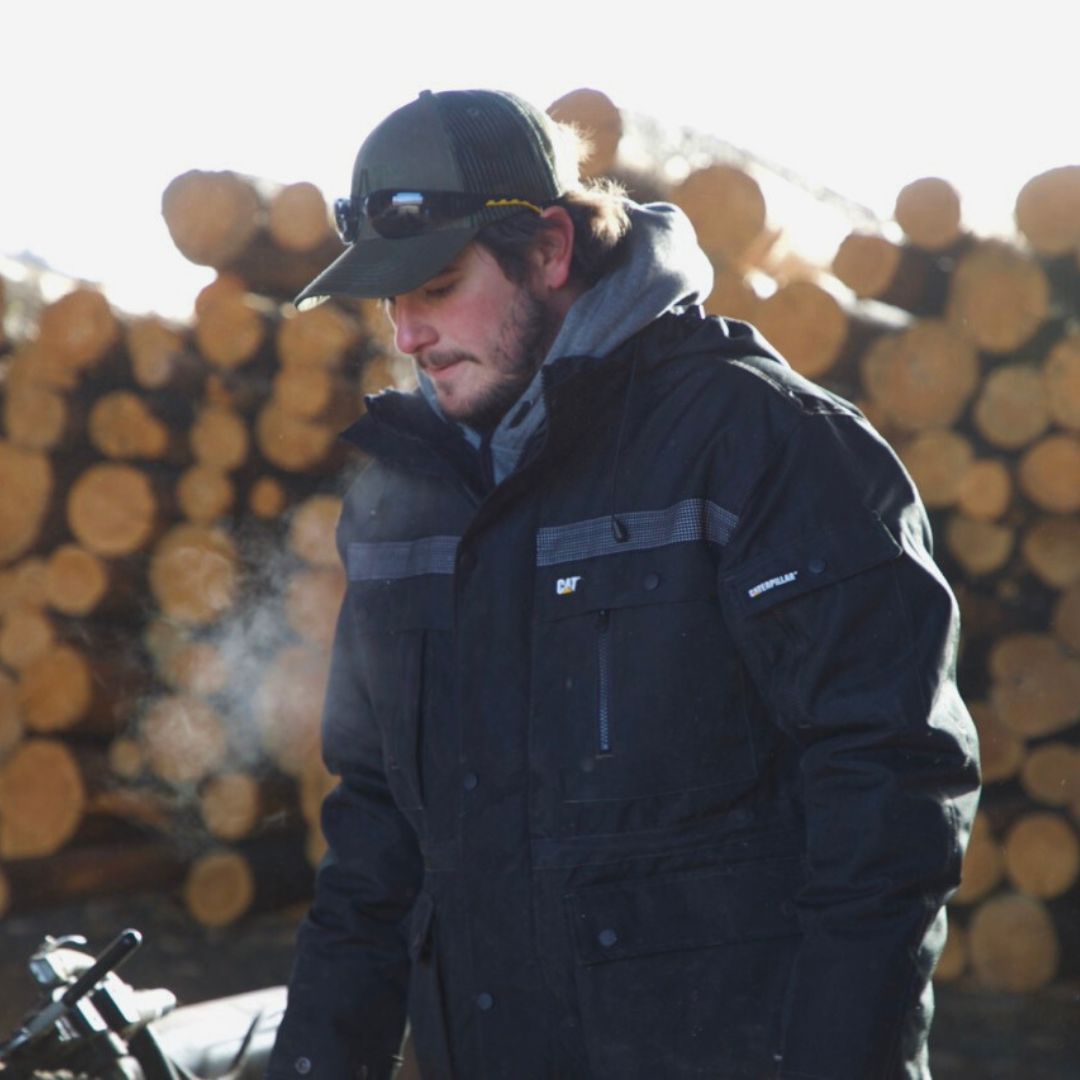
- Shell Layer: This outermost layer should be a waterproof and windproof jacket like this one that protects you from the elements.
2. Cover the Head and Neck
It’s a myth that you lose half your body heat from your head (it’s more like 10%). But it’s still important to keep your head and neck covered. Wear an insulated face mask, neck covering and a hat, or consider a balaclava.
3. Keep Your Hands Warm and Mobile
Keep your hands warm while still being able to do precise, detailed work with a pair of water-resistant gloves like these that are padded and lined for warmth.
4. Layer Your Socks
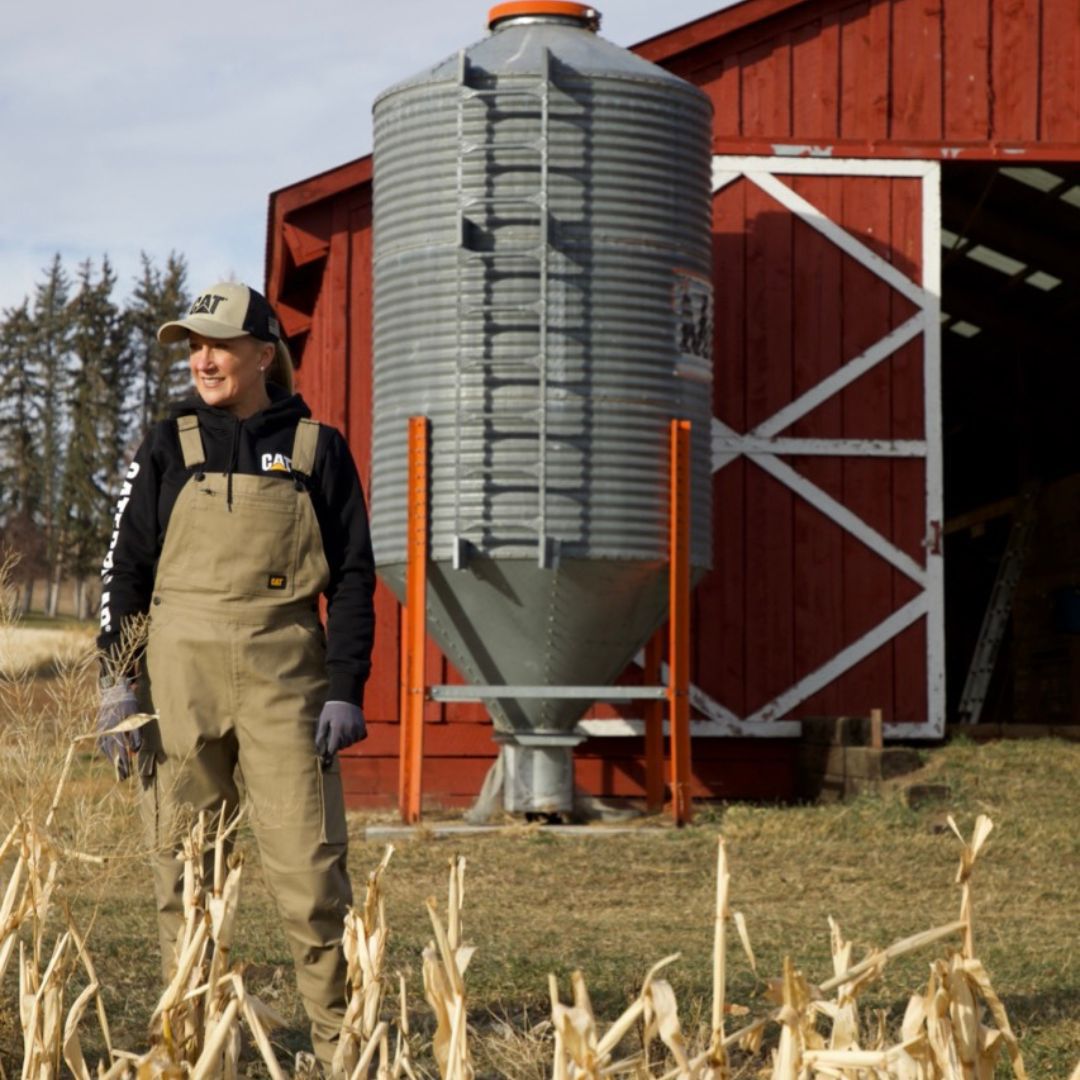
Wear two pairs of socks. The first pair is a base layer that wicks away moisture and keeps your feet dry. The second pair should be a wool-like material that provides a thick layer of insulation and keeps your feet warm. Our collection of Cat socks are made from breathable, moisture wicking material that stretches.
5. Wear the Right Boots
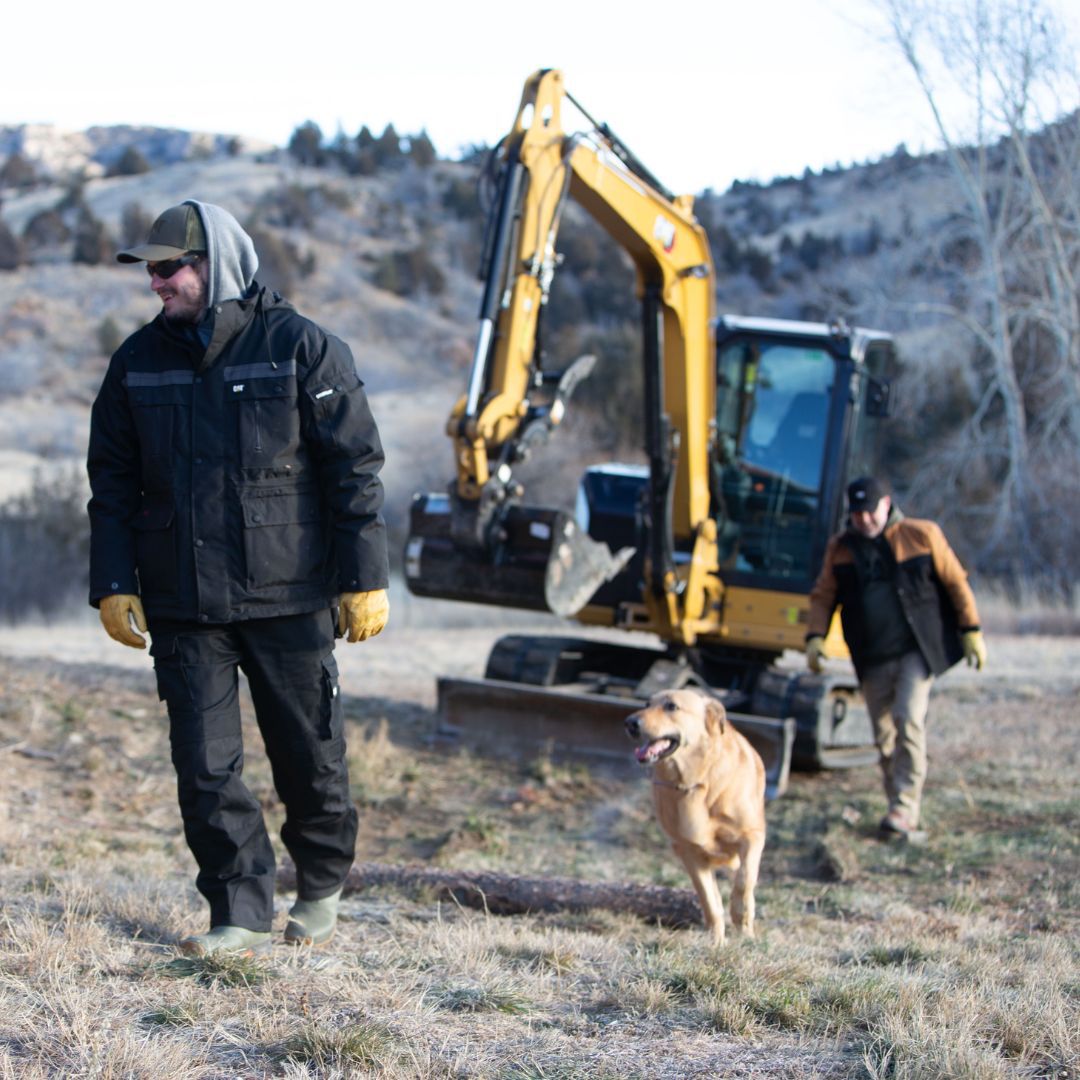
Consider composite toe boots instead of steel toes – they don’t conduct cold and will keep your feet warmer. Slip-resistant boots, like the ones shown here, help provide extra grip and prevent falls while walking on slippery wet ice.
Shoes or boots should be both fully insulated and waterproof. Consider going up a shoe size to ensure room for both layers of socks and room to move your toes.
6. Have a Spare
You can always be prepared. Socks get wet. Gloves and hats go missing. Be equipped with extras.
7. Eat Enough
As your body tries to stay warm, it will burn extra calories. Make sure you eat enough at mealtimes and, if needed, plan for snacks.
8. Stay Hydrated
You know it’s important to hydrate in the heat. But it’s also crucial in the cold — dry winter air causes you to lose a considerable amount of water, especially when working hard. Avoid beverages that contain alcohol or caffeine – they’re dehydrating. Keep water with you in a thermos like this one to prevent it from freezing.
Related Stories
-
Gifts for Construction Workers
Your friends and family who work in the trades know the value of quality and durability — and that’s exactly what these gifts for construction workers, contractors and builders deliver. Give the perfect gift from our Gifts for Construction Workers guide.
Shop Now Merchandise -
7 Ways to Prevent Equipment Downtime
Equipment downtime can delay your projects. Read about the top ways to prevent downtime, including the use of equipment monitoring and proper storage steps.
Learn More -
How to Clean Heavy Equipment
Heavy equipment gets dirty. Knowing how to clean heavy equipment properly, including tips on pressure-washing for heavy equipment, will keep machines in top shape.
Learn How Equipment Maintenance -
Long-Time Dozer Operator
Kenny Nichols, long-time dozer operator and Cat equipment owner, has dedicated his life to doing the work he loves. With 84 years and 110,000 hours behind the controls, he may be the most experienced dozer operator around.
Learn More

Get the latest stories sent directly to your inbox.
Your Business
 North America – English
Caterpillar Brands
- Caterpillar.com
- Contact Us
- My Marketing Preferences
- Site Map
- Cookie Settings
- Legal
- Privacy
- Do Not Sell or Share My Personal Information
- Accessibility Statement
- US-English
- © 2026 Caterpillar. All Rights Reserved.