
Cat® 950 GC Wheel Loader Cab Orientation
Your cab is your office. And to be on the top of your game operating the Cat® 950 GC Wheel Loader, you need to know where everything is and how it works.
Estimated read time: 2 minutes
Our quick video tour will help you learn your new Cat® 950 GC Wheel Loader cab layout and get you up to speed fast.

Estimated watch time: 3 minutes
The operator’s seat in the 950 GC is designed to keep you comfortable and productive all day long. It has cloth coverings with a mechanical support suspension. You can adjust seat height, backrest and lumbar support, fore and aft position and more.
Directly in front of you is the steering control console, as well as the front dash, which displays gauges and warning lights.
Don’t forget to wear your seat belt at all times when operating your Cat equipment.
Other highlights of your 950 GC wheel loader cab:
The turn signal is an automotive-style stalk located to the left side of the steering column.
A manual transmission shift control lever is to the right of the steering column.
The right-hand-side control console houses all your implement controls and associated switches. These include your directional, forward-neutral-reverse switch, the transmission downshift button and horn. [01:23]
Other machine systems, such as heating and air conditioning controls, radio, cupholders, 12-volt charging outlets, cameras and lighting controls can be found here. [02:22]
The primary throttle control and service brake are automotive-style foot pedals located on the floor of the loader, on either side of the steering column assembly. [2:51]
Always thoroughly read and understand the Operation and Maintenance Manual before operating your Cat wheel loader.
Have any questions about your 950 GC cab after watching this video? Reach out to your Cat dealer, who can make sure you are getting the most out of your machine.

Popular Articles About Wheel Loaders
Get the most from your wheel loader with operating tips, safety advice, maintenance help and much more.
-
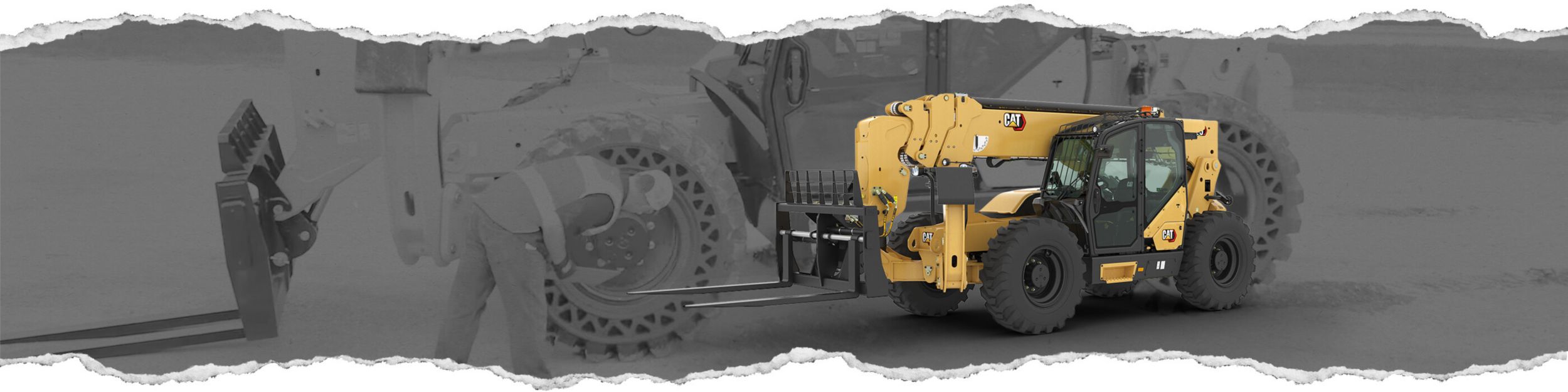
Walkaround Inspection on Next Generation Cat® Telehandler
A daily walkaround inspection is one of the most important steps when operating a Cat® TH0642, TH0842, TH1055 or TH1255 Telehandler. Regular checks help catch small issues before they turn into costly downtime, keeping both operators and machines safe. Using a checklist or the Cat Inspect app ensures no detail is overlooked. With consistent inspections, you’ll keep your machine in good health and on the job.
Learn More -
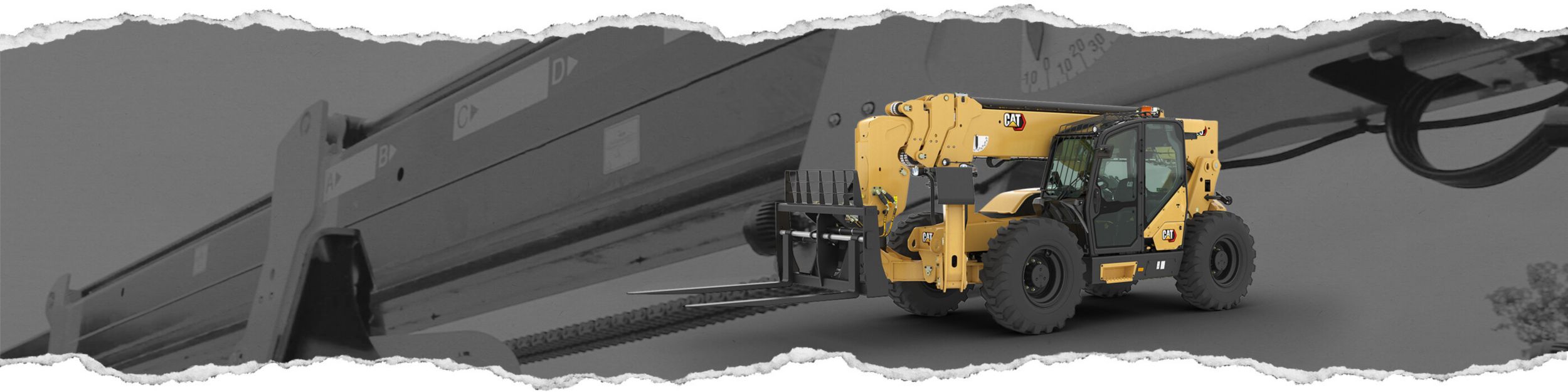
Load Charts on Next Generation Cat® Telehandlers
Understanding the load chart on a Cat® TH0642, TH0842, TH1055 or TH1255 Telehandler is essential for safe operation. The chart outlines how much weight the machine can handle under specific conditions, helping operators make informed decisions. While it may look complex at first, learning how to read the chart is straightforward. With proper use, you can lift confidently while maintaining stability and control.
Learn More -
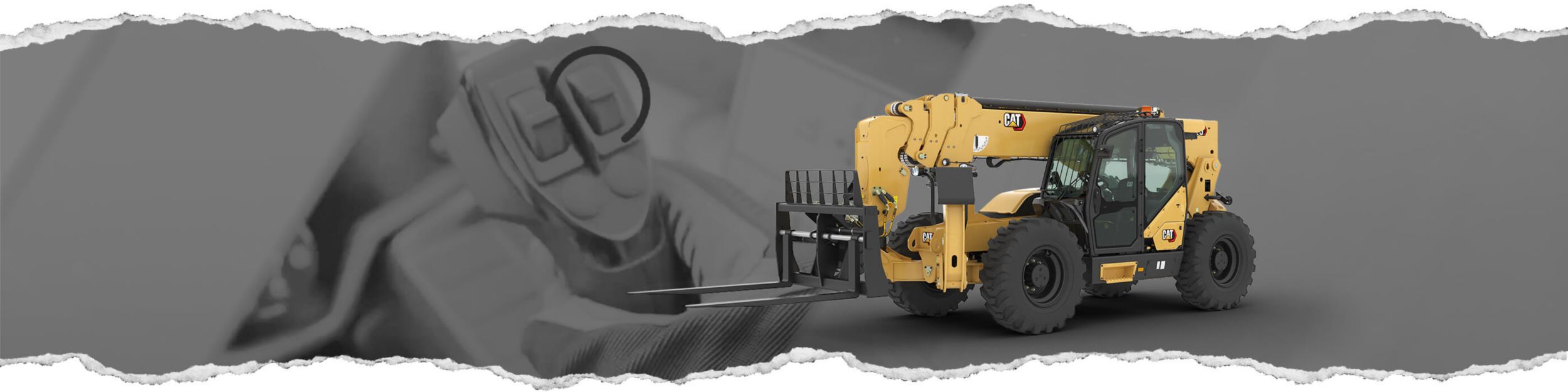
Auxiliary Hydraulics Controls on Next Generation Cat® Telehandler
Next Generation Cat® Telehandlers are equipped with auxiliary hydraulics that give operators precise control of hydromechanical attachments. Using the joystick’s thumb roller, you can easily adjust tools like a side tilt rotate carriage or hydraulic fork positioner. Mastering these controls gives you smooth and efficient operation on the jobsite.
Learn More -
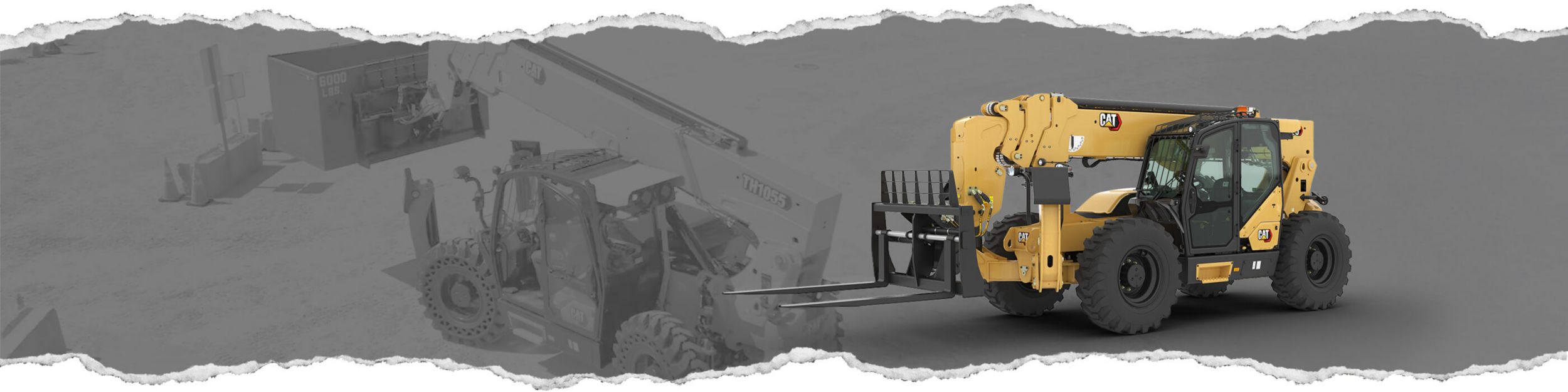
Lifting a Load with Next Generation Cat® Telehandlers
Next Generation Cat® Telehandlers are engineered for reliable lifting, but safe operation depends on the operator. Approaching the load carefully, adjusting the forks and confirming a clear work area all contribute to a successful lift. With proper technique, these machines deliver the power and control you need to get the job done.
Learn More
Your Business
 North America – English
Caterpillar Brands
- Caterpillar.com
- My Marketing Preferences
- Site Map
- Cookie Settings
- Legal
- Privacy
- Do Not Sell or Share My Personal Information
- Accessibility Statement
- US-English
- © 2026 Caterpillar. All Rights Reserved.