

The Cat® Closed Crankcase Ventilation System (CCV)
Parts & Services
Sustainability
About
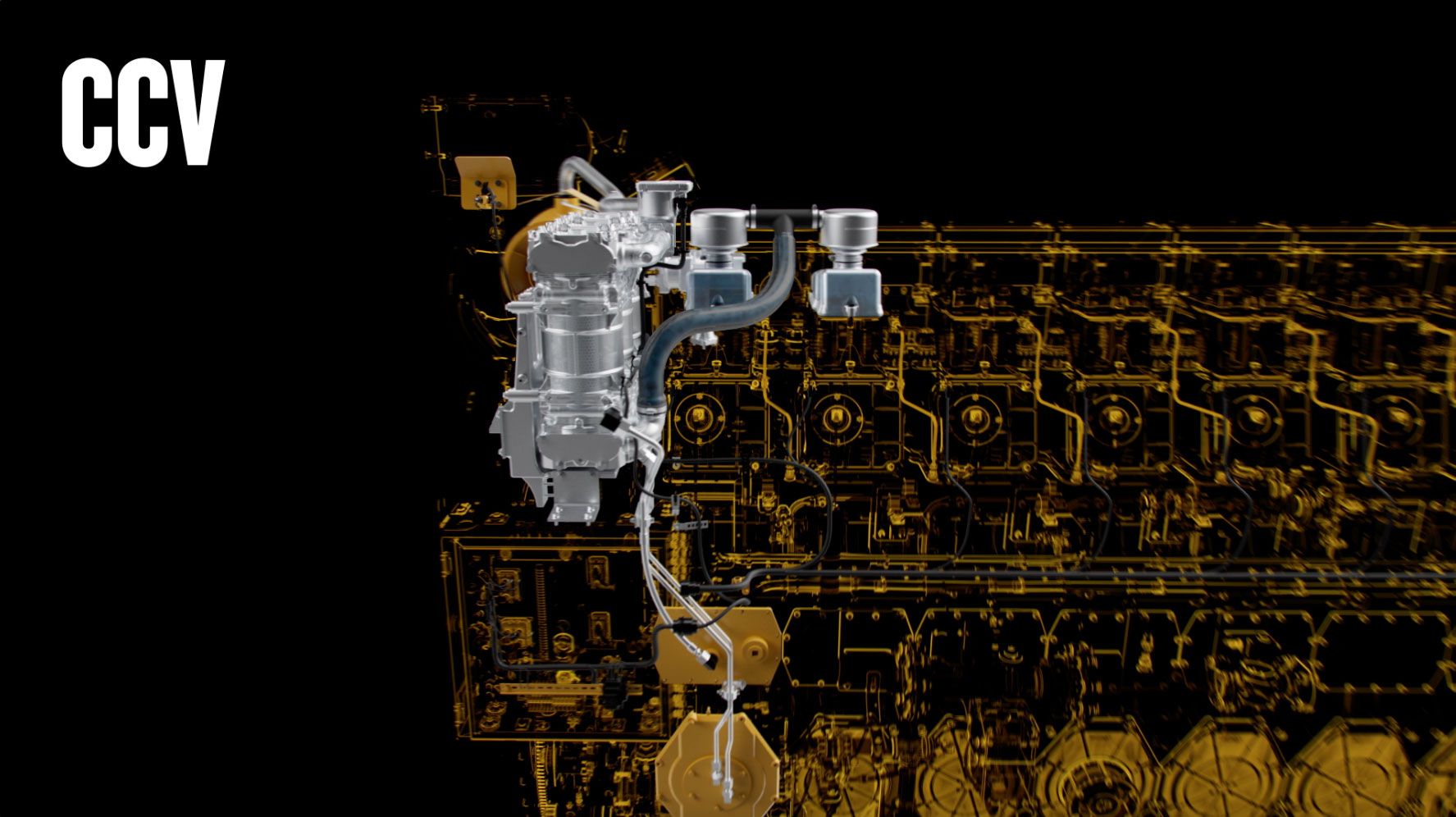
Specifically designed for Cat® G3600 solutions, the bolt-on Cat Closed Crankcase Ventilation System (CCV) holds multiple unique patents that distinguish it from conventional CCV system approaches.
The system has the capability to operate at very low ambient temperatures with minimal risk to condensation and emulsion, while also lowering engine methane emissions up to 20%. When combined with a Gen 2 Kit on a G3600 Gen 1 engine, operators can experience an up to 50% reduction in engine methane emissions.
The system can be applied at anytime with minimal downtime, and is standard on new G3600 A4 Gen 2 engines and as an upgrade for A4 Gen 1 engines.

Our Cat CCV System is engineered to enable operators to maximize their existing fleets—and uptime—while keeping pace with the industry’s evolving requirements. They are now able to take advantage of new technology without having to wait and purchase a new engine.
Derek Kamp
Vice President
Caterpillar Oil and Gas
What Sets The Cat® CCV System Apart?
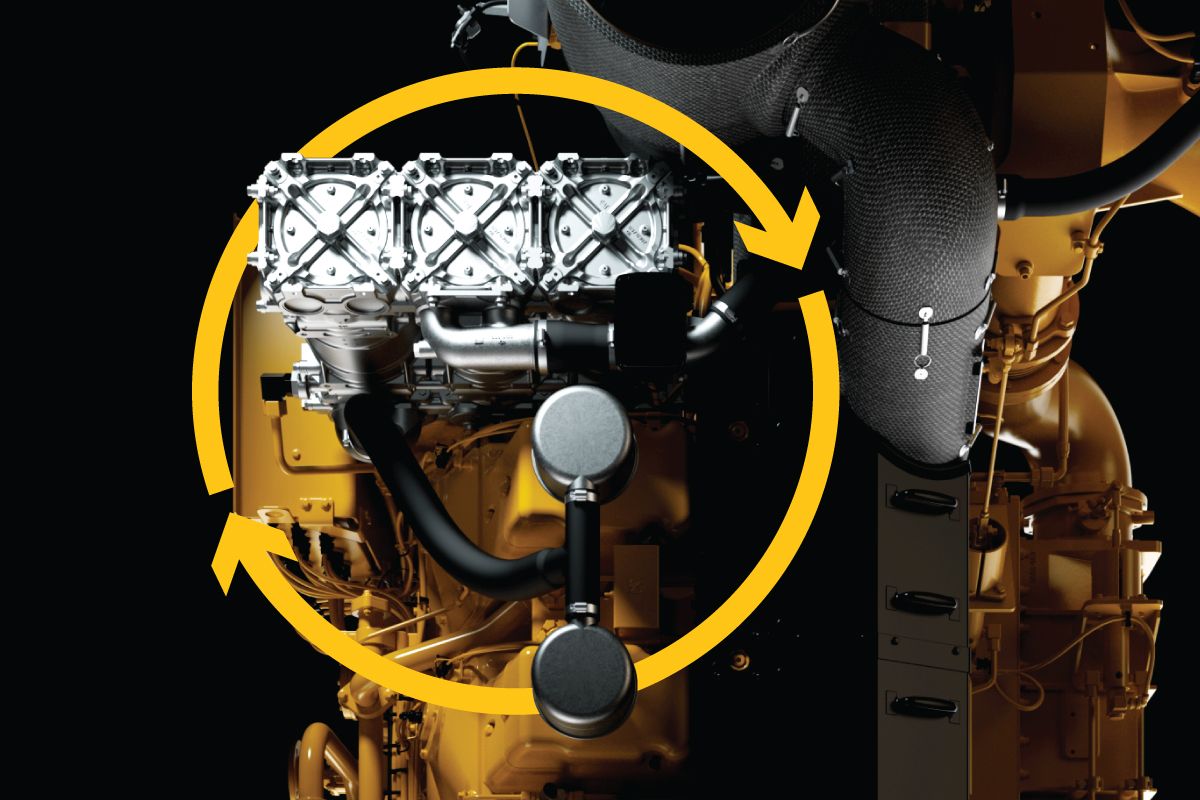
As a field-proven technology, the CCV system is designed to capture and filter gases that accumulate in the engine crankcase and route them into the engine intake system. Returned crankcase gases are combusted before exiting the engine, eliminating blow-by emissions while maintaining engine health. This system helps gas compression operators meet regulatory requirements in a cost-effective manner while utilizing existing assets.
The CCV system sustainability benefits add up:
- Reduces up to 20% of engine methane emissions*
- Eliminates crankcase venting
- Easy to install as a bolt-on retrofit anytime
- Operational in low-ambient temperatures with minimal risk of condensation*
- Reduces methane emissions by up to 50% when a Cat CCV and Gen 2 kit are applied to a G3600 Gen 1 engine
* Using OEM data, end of ring life, pipeline quality gas (85 MN / 905 BTU / scf)
How Does The CCV System Make Cat Engines Better?
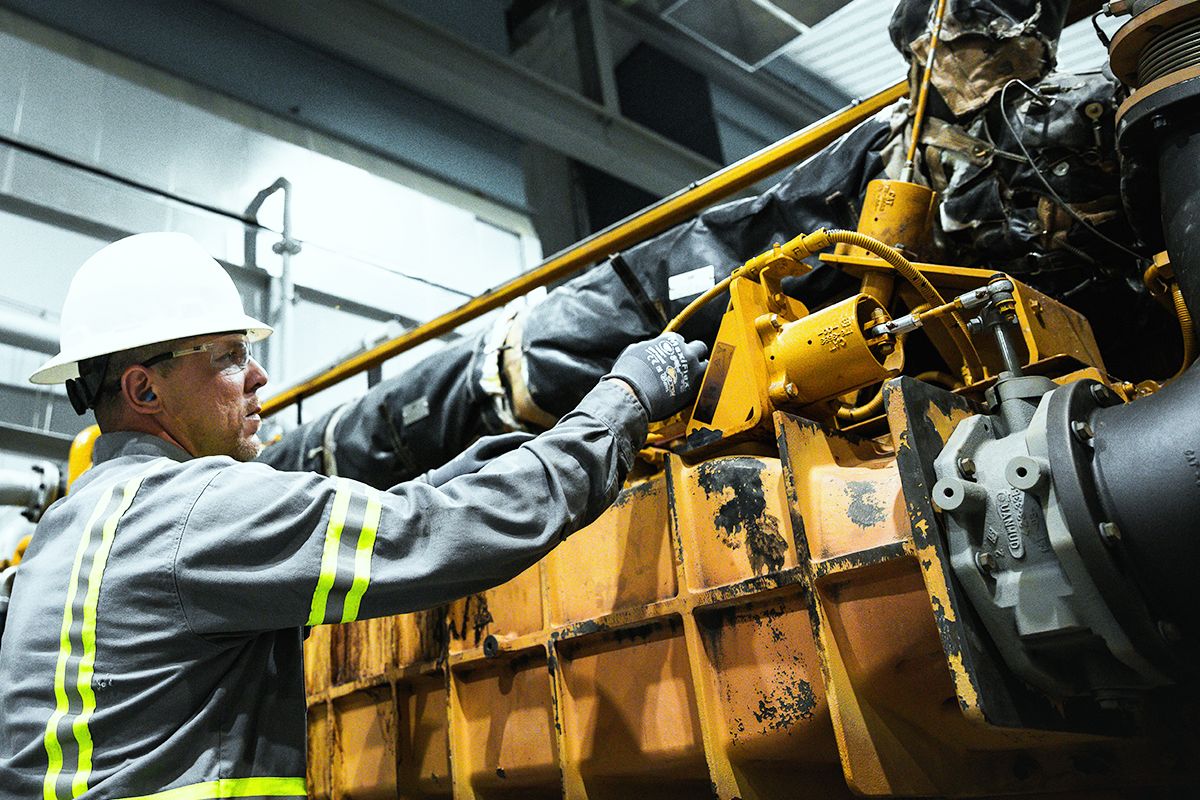
of
Striking A Balance: Answering Gas Compression Operators’ Top Questions To Harmonize Operational And Climate-Related Goals
Maintaining performance while reducing emissions is a delicate balance. How does the CCV system pull it off? We answer questions from gas compression operators and offer insight on the technology.
More On The Cat CCV
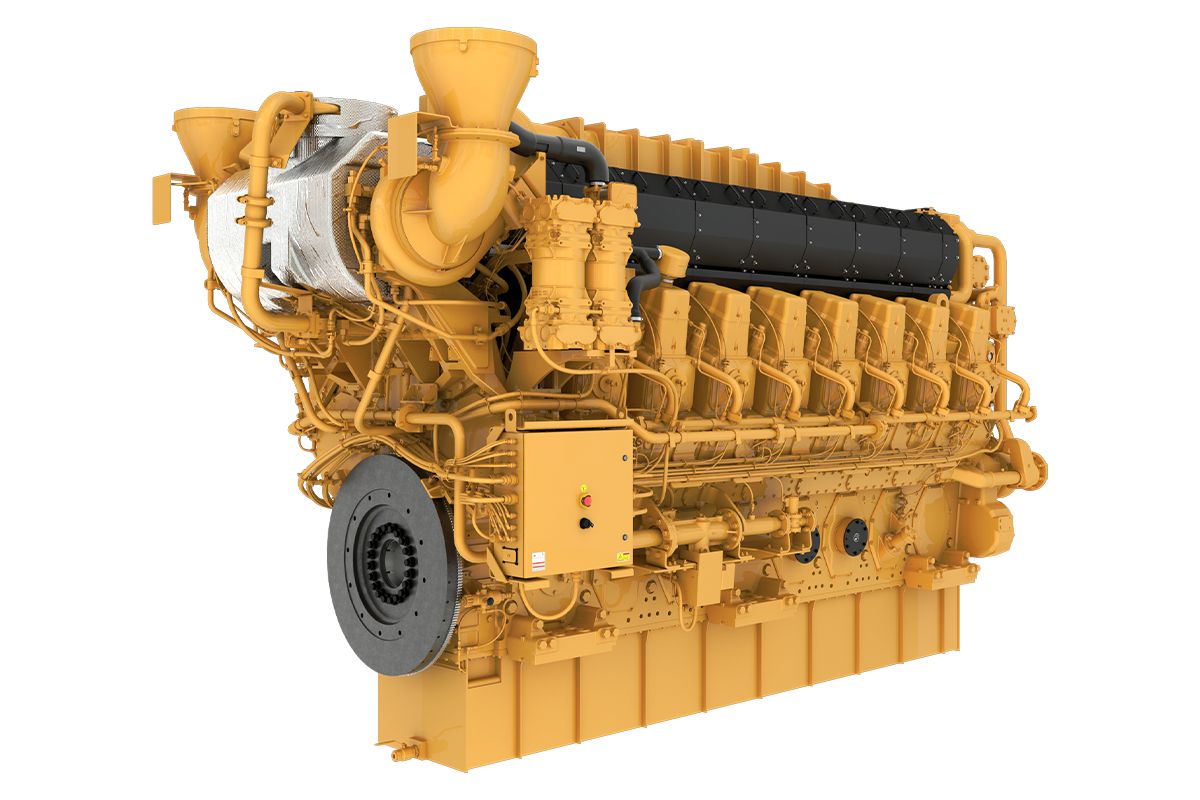
of
Striking A Balance: Answering Gas Compression Operators’ Top Questions To Harmonize Operational And Climate-Related Goals
Maintaining performance while reducing emissions is a delicate balance. How does the CCV system pull it off? We answer questions from gas compression operators and offer insight on the technology.
Your Questions Answered: Closed Crankcase Ventilation Systems For Reciprocating Gas Compression Engines
You’ve seen the economic and environmental benefits, but does the CCV system fit the unique specifications of your operation? This rundown will help you decide if it’s time for an upgrade.
Top Three Benefits Of Closed Crankcase Ventilation (CCV) Systems For Gas Compression Operators
Eliminating the venting of crankcase gases is just one way in which CCV systems help operators meet goals. Check out the ways this technology reduces downtime and improves engine durability.
How Does The CCV System Make Cat Engines Better?
Less engine oil consumption, less component damage and a cleaner, safer working environment—there are many ways in which CCV system is an upgrade for your oil and gas operation.

Your Business
 North America – English
Caterpillar Brands
- Caterpillar.com
- My Marketing Preferences
- Site Map
- Cookie Settings
- Legal
- Privacy
- Do Not Sell or Share My Personal Information
- Accessibility Statement
- US-English
- © 2026 Caterpillar. All Rights Reserved.