
Caterpillar Safety Services
What Is Safety Culture?
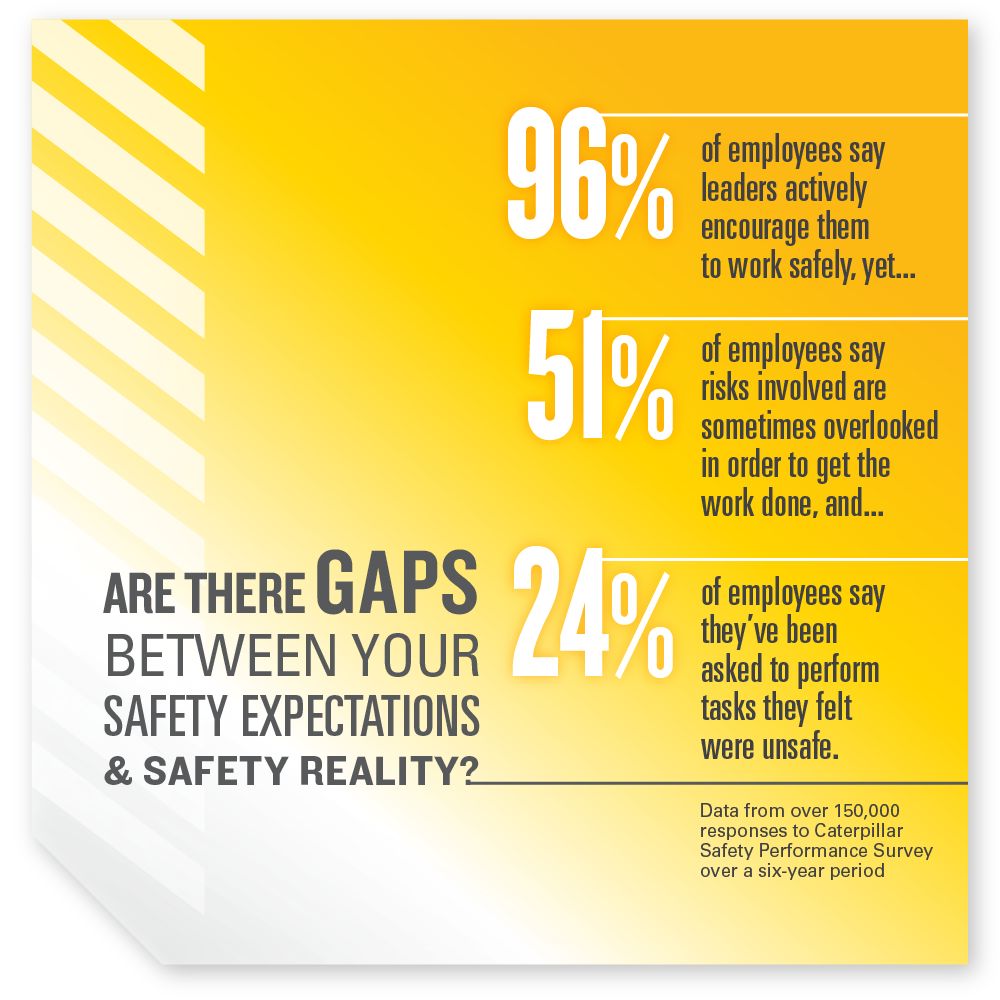
There’s more beneath the surface of an organization’s safety record than what you see in lagging indicators. Many organizations face similar “aches and pains,” such as repeat incidents, plateaued results, equipment damage and complacency, to name a few.
Considering why these issues happen is an important step in making progress. Some of the reasons could be linked to training gaps, a “production-over-safety” mentality, or a culture of fear, among other reasons. How do you improve safety?
Since the 1970s, Caterpillar Safety Services has worked with hundreds of organizations – including our own operations – striving to build the strongest safety culture possible to keep people safe. We’ve learned that the key to sustainable success is resilience.

A resilient safety culture:
- Resists Internal and External Pressures – like pressures from production rates, schedule, customer demands, environmental factors, organizational restructuring – that could cause people to compromise their commitment to safety.
- Adapts from Challenges – has an ability to “bounce forward” from challenges by continuously improving instead of blaming and shaming those who make mistakes.
- Is Proactive in Anticipating Challenges – learning from expert employees in the field and putting safeguards in place to prevent serious incidents before things go wrong.
How do Organizations Develop a Strong Safety Culture?
A strong, resilient safety culture takes time to develop and embed. Organizations that succeed in building a resilient safety culture are rewarded with improved engagement, reduction in incident rates, and increased productivity. An organization that is recognized for being the safest in its industry attracts and retains the best talent and enjoys a preference over competitors in the eyes of its customers.
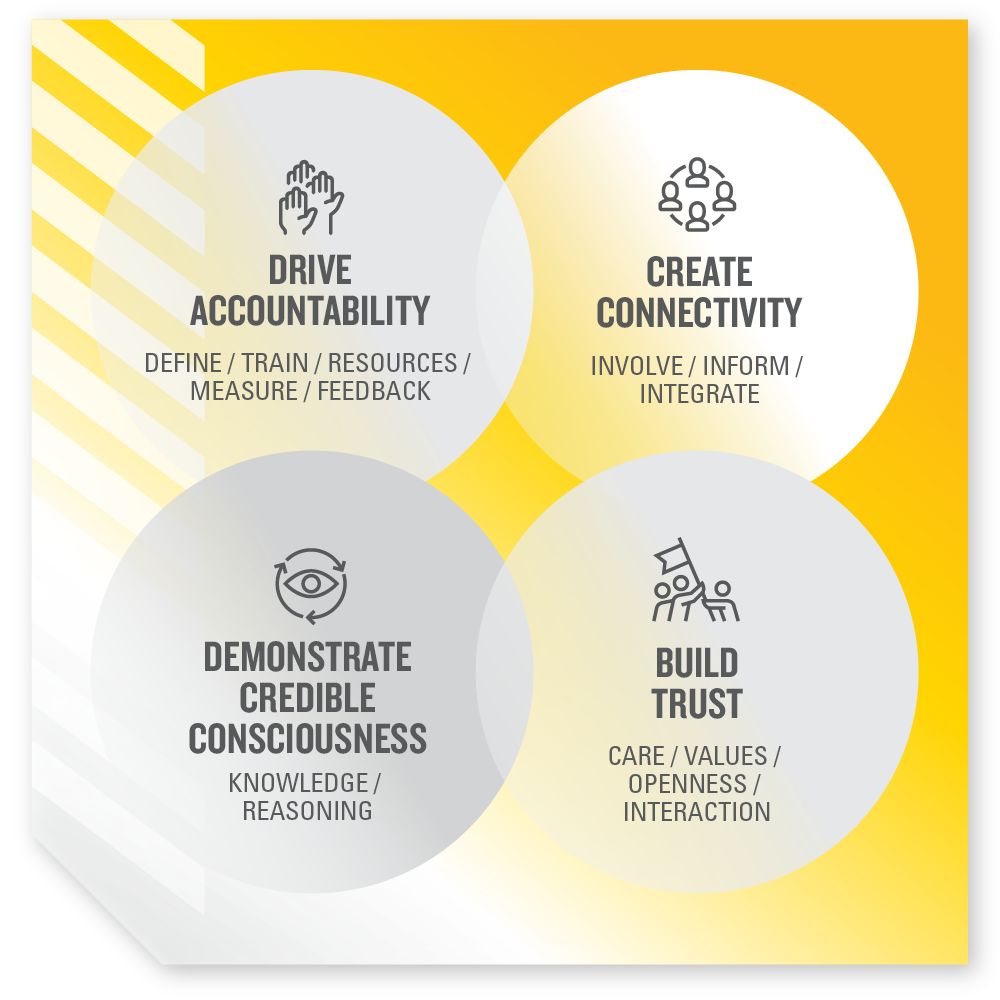
In any industry, resilience is attained through a constant focus on these interdependent components: System, Mindset, Leadership and Ownership. These components interact with and impact one another. They also continue to change and develop over time. You must consider the current state of each to build a strategy for improvement.
What Are the Components of a Resilient Safety Culture?
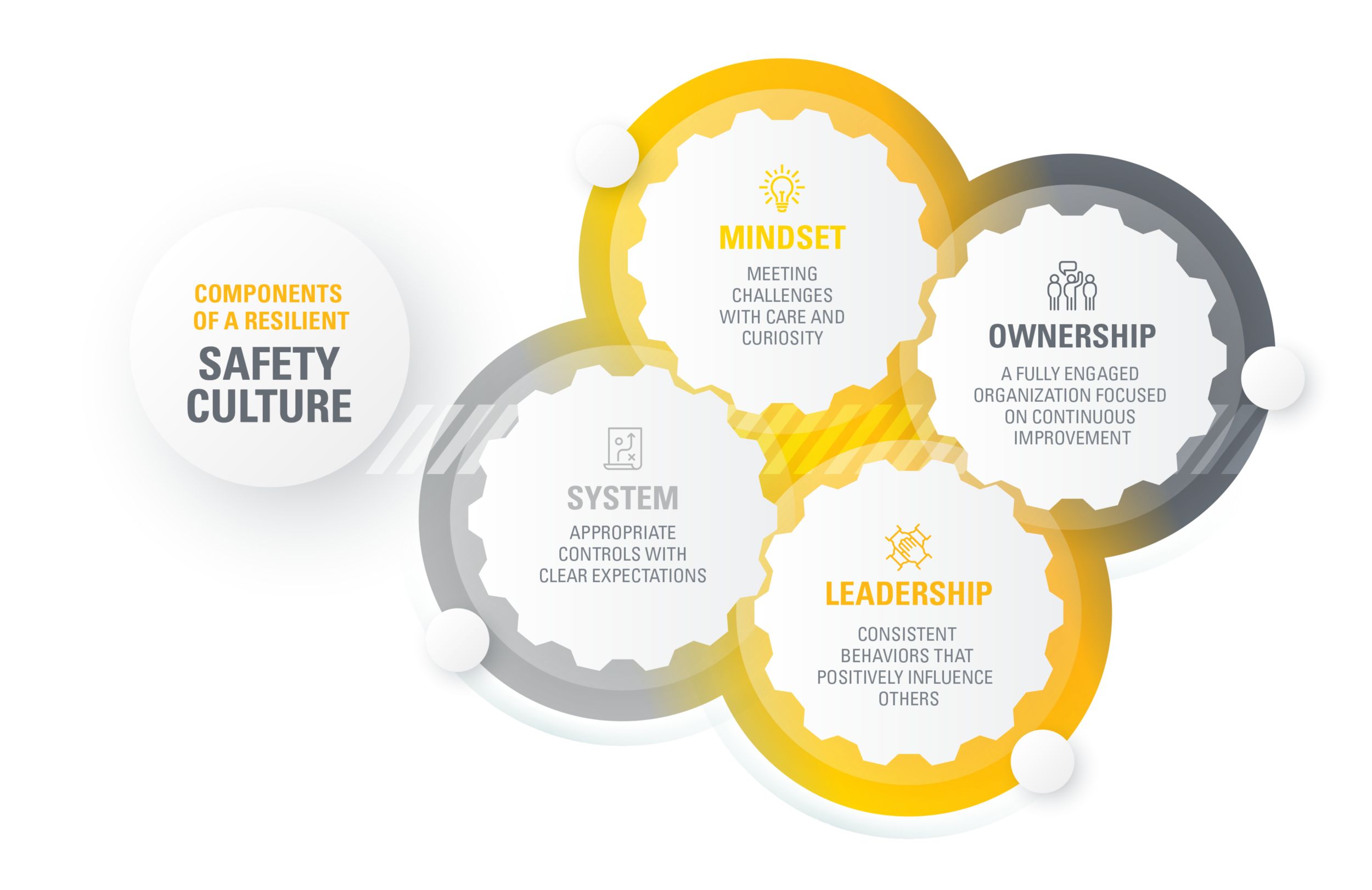
System
Mindset
Leadership
Ownership
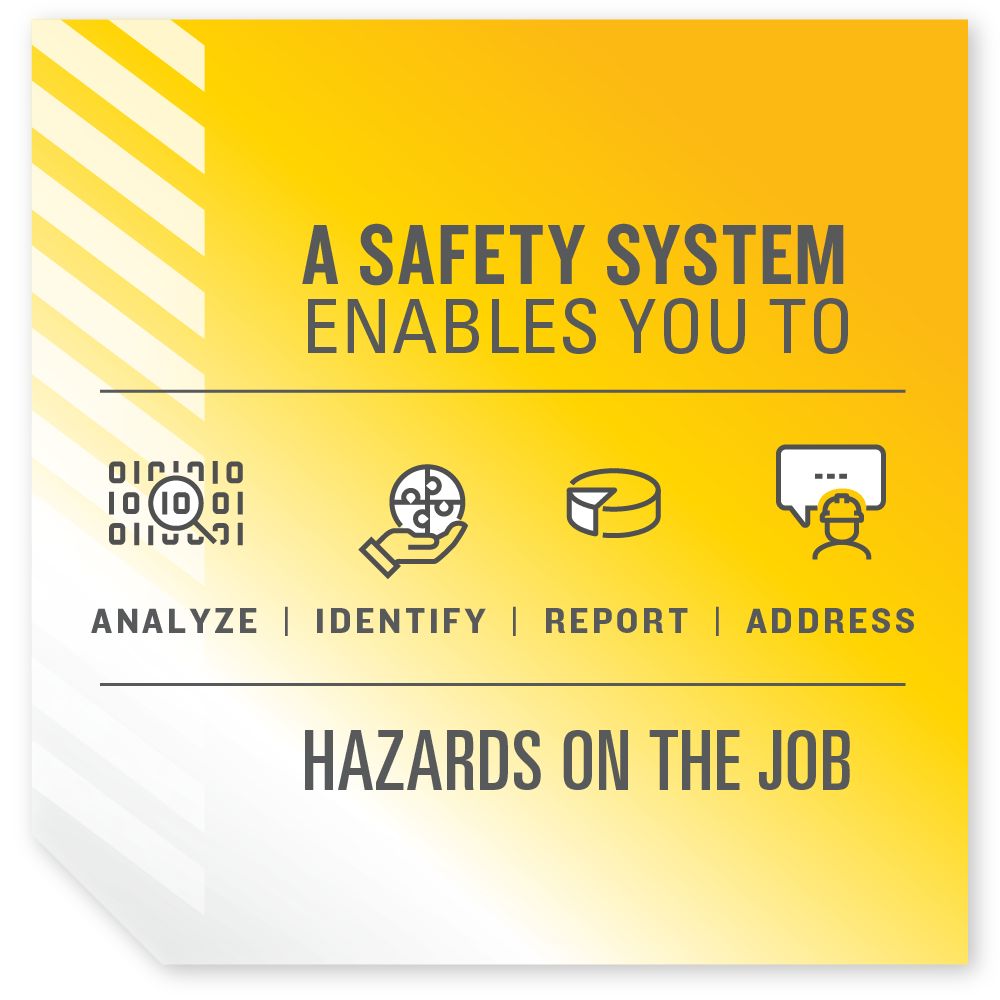
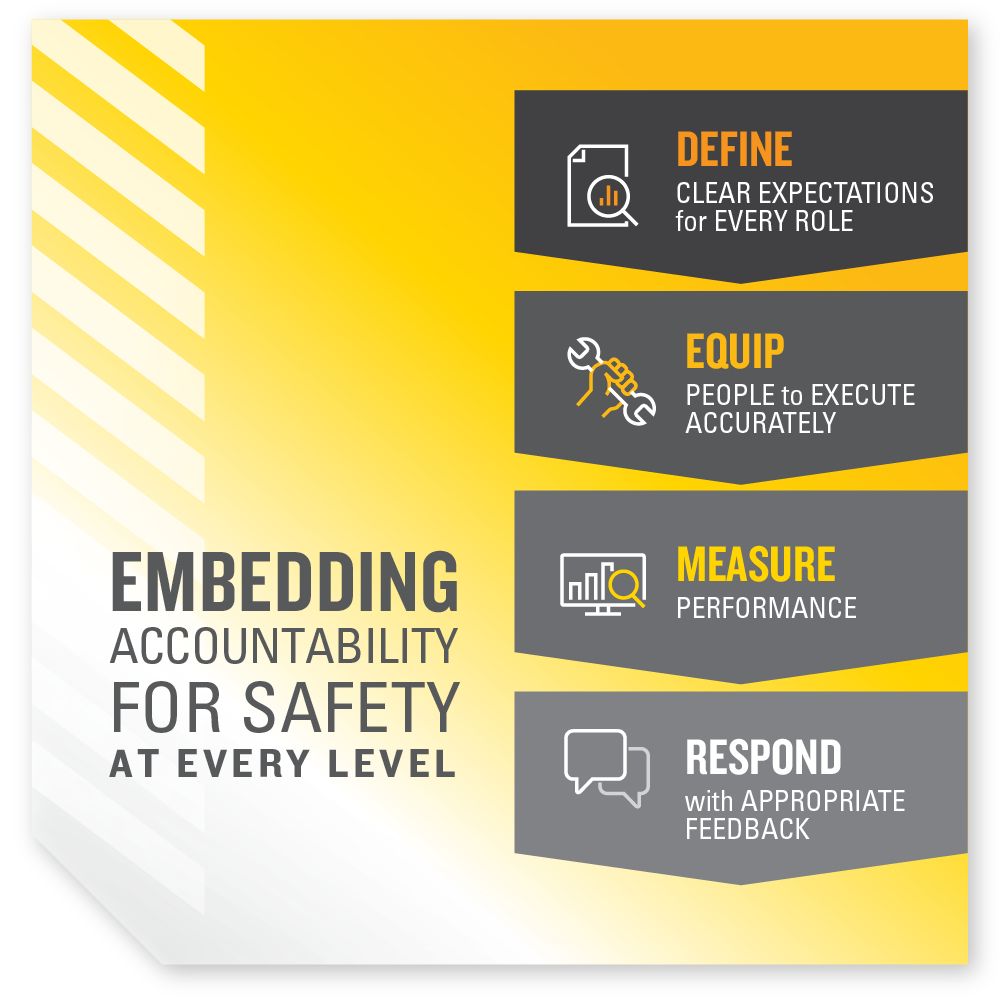
An organization with a solid safety management system has a strong foundation to build resilience. A good safety system includes clearly defined expectations embedded in its policies and procedures, as well as appropriate controls to manage risk and prevent serious incidents.
The best safety systems include regular assessments of their effectiveness, training for employees and leaders, with accessible and useful tools and technologies. But an excellent system alone isn’t enough to build resilience if it’s not supported by the other components.
Safety Culture Blog Series
-
Safety Doesn’t Stop: Maintain Momentum After Safety Month
Safety Month is a great time to refocus your safety efforts, but that doesn’t mean safety stops being a priority after the month is over. Learn how to keep that momentum going from one of Caterpillar Safety Services experts.
Learn More -
Take Safety to the Next Level: Re-thinking How to Lead and Manage Safety
Learn more about how Caterpillar Safety Services can help you rethink the culture of safety on your site — and improve it.
Learn More -
Is Safety Really Everyone’s Job?
Learn about how resilient cultures operationalize safety ownership.
Learn More -
Improve Your Leadership To Improve Your Safety Performance
Hear from a Caterpillar safety expert about the role leadership plays in building a resilient safety culture.
Learn More

Your Business
 North America – English
Caterpillar Brands
- Caterpillar.com
- Contact Us
- My Marketing Preferences
- Site Map
- Cookie Settings
- Legal
- Privacy
- Do Not Sell or Share My Personal Information
- Accessibility Statement
- US-English
- © 2026 Caterpillar. All Rights Reserved.