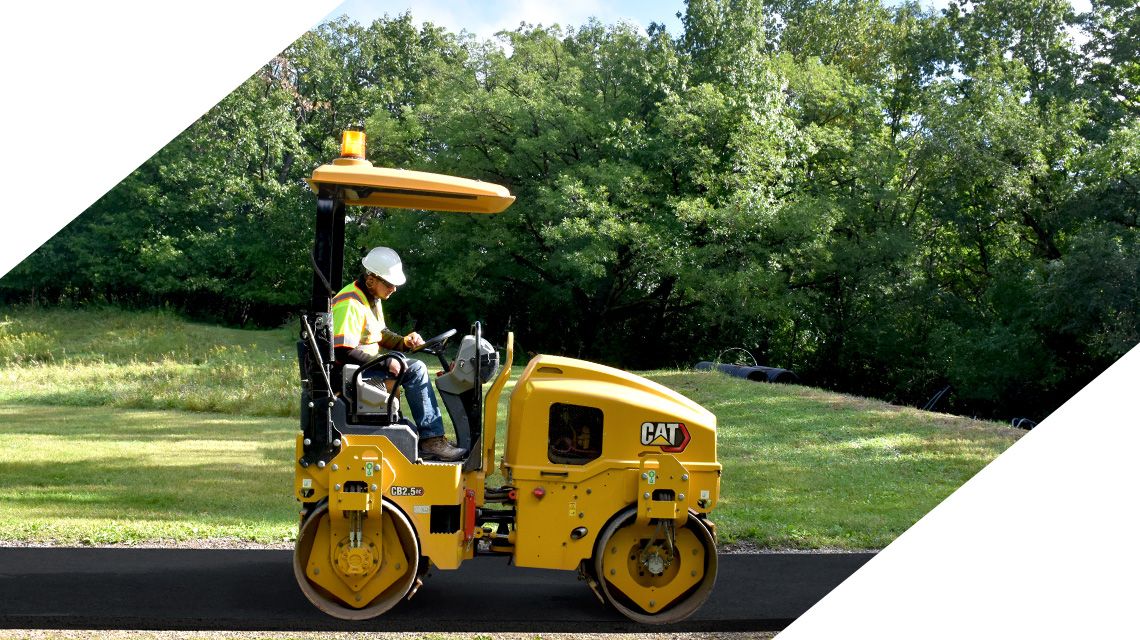
Operator using an asphalt roller on newly paved road

Paving Crew Productivity: Multiply What You Can Do

On many paving crews today, one operator may have decades of seat time while another is still getting comfortable with the controls. See how Cat® equipment, technology, and training combine to create a “workforce multiplier,” helping you get more production from operators of all experience levels.

Key Takeways

  • Finding operators is hard enough. Improving paving crew productivity across a mixed-experience team is another challenge.

  • Modern crews are expected to operate increasingly complex equipment in demanding applications and deliver consistent results, even when experience levels vary.

  • When new operators are still learning the ropes, seasoned operators carry more of the load. That can slow ramp-up time, reduce accuracy and lead to rework.

  • One feature alone won’t close the gap. You need a workforce multiplier; a way to help every crew member contribute more fully, regardless of experience level. 

  • Caterpillar can help you strengthen the system around the operator. With equipment, technology, and training working together, your team can operate with more confidence, control, and consistency.


Why Can A Full Crew Still Fall Short On Production?

Having enough people on the schedule doesn’t guarantee a paving crew’s productivity. A full team of operators can still miss production targets when they bring very different levels of experience to the job.

One operator may feel immediately when the setup is off. The person in the next machine may still be learning how the controls respond or how the grade control system is supposed to operate. Those differences show up in speed and accuracy.

They can also keep you from getting the full value from your equipment. If only a few people are comfortable with certain features or technology, the rest of the crew may be missing out on capabilities that could help them maintain the pace and hit targets.

Seasoned operators then get pulled into coaching and troubleshooting while trying to complete their own work. Newer operators wait longer for direction and take more time to build confidence. 

Across a shift, these interruptions can mean late corrections, avoidable rework, and uneven results. They can slow down your operation and reduce the production you get from the people and equipment already on the job.

What Helps a Mixed-Experience Paving Crew Work With Confidence and Consistency?

Look at the entire system around the operator: machine, technology, and training. Each one plays a different role, but they work best together.

  • Machine design can remove distractions through better comfort, visibility, control, and application-specific setup. 
  • Technology gives operators useful information while work is underway, helping them recognize changing conditions, and adjust sooner.
  • Training builds familiarity and technique, from machine basics to advanced applications and new technology.

Together, these elements act as a workforce multiplier. They don’t solve the labor shortage, replace operator judgment, or make skilled work simple. They give operators a stronger base to work from, helping improve paving crew productivity even when experience levels vary.

of

Is The Machine Helping Or Getting In The Way?

Paving equipment operators track speed, material flow, steering, grade, nearby workers, and changing site conditions at the same time. The equipment shouldn’t demand attention that belongs on the work.

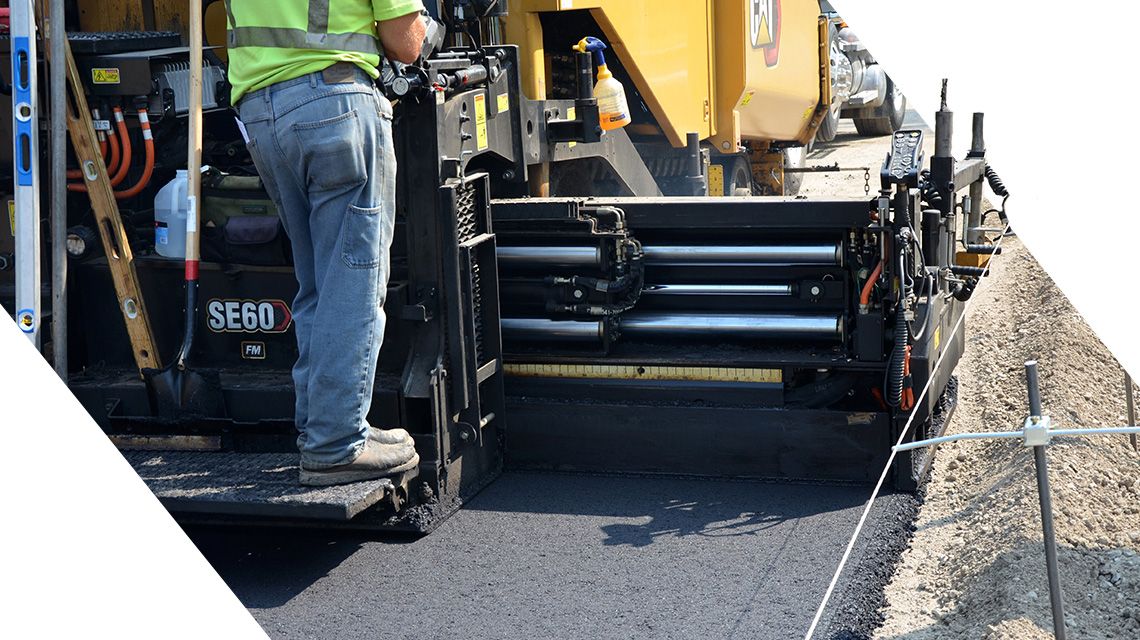
Cat® paving equipment is designed around the applications operators handle every day, including paving, compaction, milling, and reclaiming. When you evaluate equipment, look beyond the machine specifications to what the operator will see, reach, and manage throughout a shift.

A few areas deserve particular attention:

  • An adjustable seat and console, climate control, and lower sound levels can make a long shift less tiring and help operators maintain focus. 
  • Controls and displays should put frequently used functions where operators expect them, without extra steps that pull attention away from the task. 
  • Good sightlines help operators monitor the mat edge, curbs, obstacles, nearby equipment, and crew members without constantly repositioning. 
  • Predictable response matters when an operator is holding a line, maneuvering near an edge, maintaining traction, or working through a demanding cut.
  • The right screed, drum, rotor, or attachment gives the operator a sound starting point before the first pass instead of a workaround to manage all day.

When the equipment is easier to work with, operators with different experience levels can stay focused on the job instead of the machine.

How Can Technology Reduce Guesswork?

Once the equipment is set up for the work, technology can help operators read what’s happening and respond while there’s still time to make a useful correction.

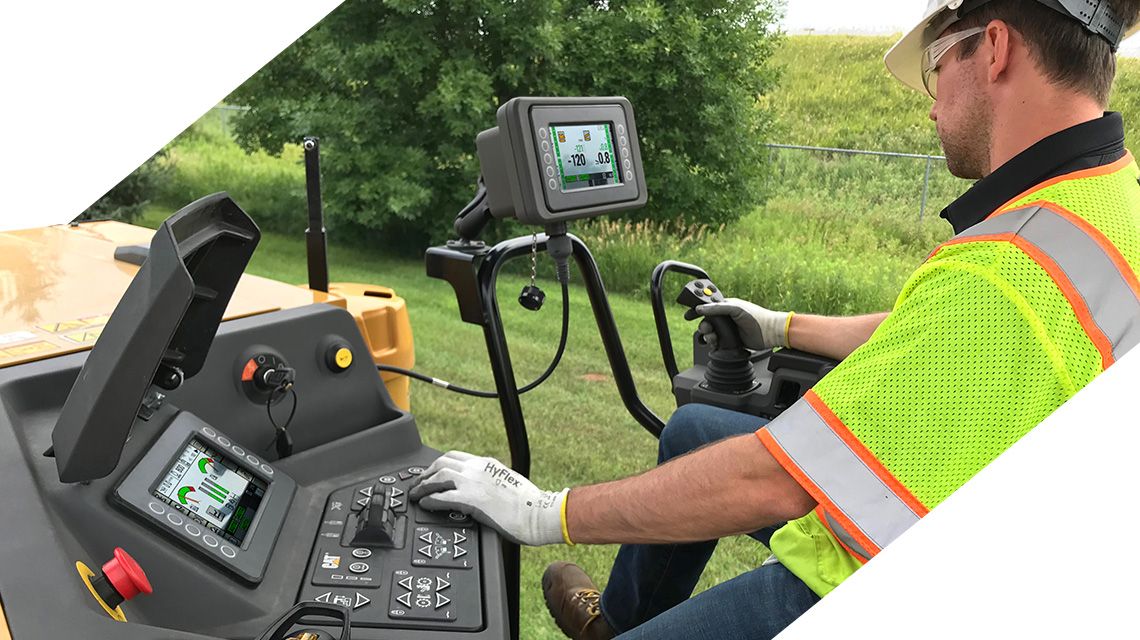
Cat Grade, for example, puts grade and slope information in front of paving operators during the pass. They can compare the machine’s position with the target and make an adjustment before a small difference becomes a larger correction later.

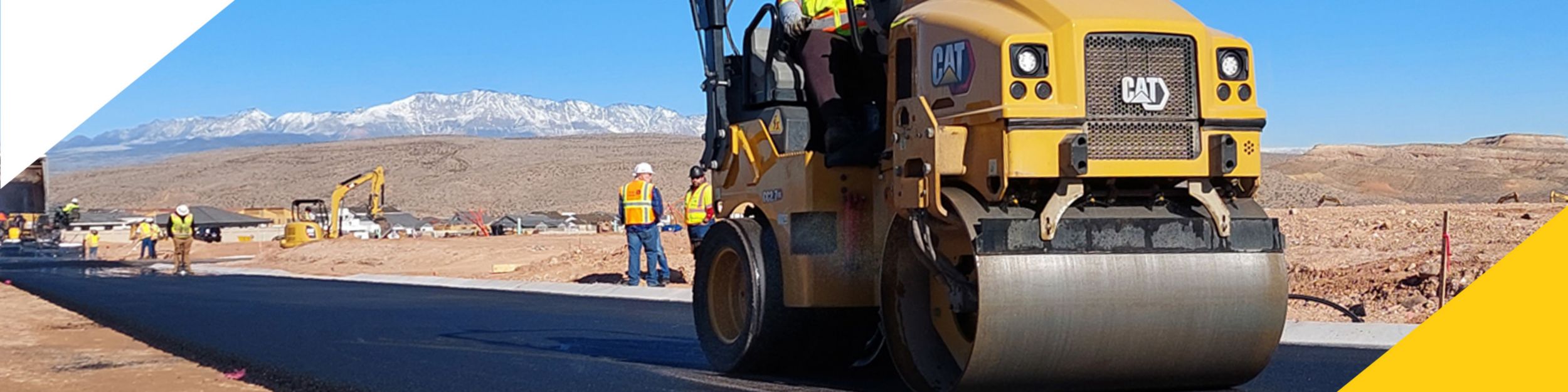
The same principle applies to Cat Compaction. Better visibility to the work being done with instant, in the cab feedback can help reduce unnecessary passes, limit material waste, and improve paving crew productivity by keeping operators closer to target throughout the shift.

of

Cat technology doesn’t replace experience. It gives experienced operators another source of information to check against their judgment. It also helps newer operators connect what they see on the display with what the equipment is doing on the job. 

How can operators get more from machines and technology?

When operators are confident with the machine and technology, they can use both to their full potential.

Training gives a mixed-experience paving crew a structured way to learn instead of relying entirely on on-the-job instruction. It also gives seasoned operators time to explore new features, refine application techniques, and pass along consistent practices to the rest of the crew.

Caterpillar offers paving-specific training that covers:

  • Machine familiarization, asphalt paving fundamentals, and operating techniques 
  • Paving, compaction, and advanced application practices using current Cat paving equipment 
  • Sessions tailored to your crew, schedule and applications, held at your site or a Cat dealer facility

This isn’t remedial work. Good operators keep building their skills because equipment, technology, and jobsite expectations continue to change.

Put the workforce multiplier to work

When a paving crew misses production goals, adding people isn’t the only answer. Look first for points where operators lose time, wait for help, or make the same correction more than once.

  • Do newer operators pause for direction before routine adjustments? 
  • How often are experienced operators pulled away from their own responsibilities to coach or troubleshoot? 
  • Are operators using the available technology, or have they developed workarounds? 
  • Are smoothness or compaction issues being found soon enough to correct them efficiently? 
  • Does the equipment setup match the application, material, and conditions?
of

Your Cat dealer can help evaluate the answers and identify practical ways to strengthen paving operator skills across your crew.

It's designed to provide the support that teams need to minimize disruptions, helping the entire crew stay productive even when experience levels vary.

When the equipment, technology, and training are working together, more operators can make a positive contribution throughout the shift — and paving crew productivity improves as a result.

FAQs

The issue isn’t only whether you can put enough people on the job. Operators may have different levels of machine knowledge, application experience, and comfort with available technology. When those gaps are wide, ramp-up takes longer, adjustments happen later, and experienced operators spend more production time coaching.

Operator experience, equipment setup, technology use, training, and changing jobsite conditions all play a role. A full crew can still struggle when only a few operators are prepared to use the equipment’s full capabilities or make timely adjustments on their own.

A workforce multiplier is the combined support provided by the equipment, technology, and training around the operator. The goal is to help more crew members improve their knowledge, contribute effectively, and get the most out of their equipment without treating technology as a replacement for skill or judgment.

A setup matched to the application gives operators a better starting point. Clear sightlines, accessible controls, predictable response, and the right screed, drum, rotor, or attachment reduce the workarounds an operator has to manage during the shift.

Grade control, compaction measurement, 3D paving, and milling replace manual measurements and operator estimates with real-time, automated machine guidance and read-outs. Operators no longer have to guess if the grade looks right or if they completed enough passes on the roller. Instead, they can see exactly what the machine is doing and recognize deviations sooner, make smaller adjustments if something is off, and avoid major corrections or rework that cost time and material.

No. Technology like Cat Grade and Cat Compaction supports operator judgment by providing another source of job information. Experienced operators can compare that information with what they know from the seat, while newer operators can use it to better understand how the equipment is performing against the target.

New capabilities only deliver value when operators know how and when to use them. Training helps newer operators build good habits and gives experienced operators a way to stay current as equipment, technology, and application demands change.