
How to Replace Cat® Primary Fuel Filters:
Step-by-Step
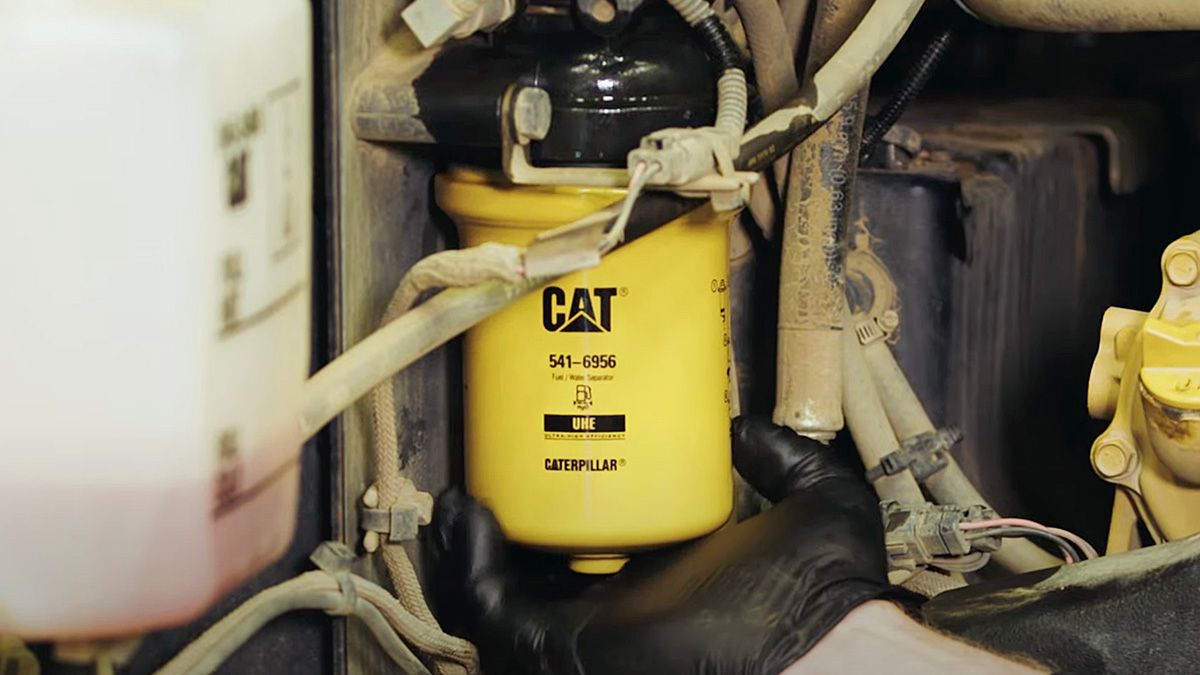
Keeping your fuel system clean is essential for maintaining your machine’s performance. Replacing your Cat® primary fuel filter regularly can prevent clogs and protect your engine from debris. Here’s a step-by-step video on how to replace a Cat primary fuel filter, using a Cat 299D3 Compact Track Loader as an example.
Check out this video and then read on to learn more:
Start by parking your machine on a flat surface and shutting off the engine. Always check your Operation and Maintenance Manual (OMM) for safety instructions, and wear proper personal protective equipment (PPE).
Why Is Fuel Filter Replacement Critical on Cat® Machines?
Fuel filter replacement is critical because Cat® fuel systems operate with extremely tight tolerances, and even small amounts of contamination can damage injectors, fuel pumps, and rails. Modern common‑rail systems are especially sensitive to dirt and water, making routine filter changes essential to maintaining engine performance and uptime.
Replacing fuel filters at recommended intervals helps:
- Maintain correct fuel flow and pressure
- Prevent injector scoring and premature wear
- Reduce hard starts and power loss
- Extend overall engine service life
What Types of Fuel Filters Are Used on Cat® Equipment?
Cat® equipment typically uses a two‑stage fuel filtration system designed to remove both water and fine particulate contamination before fuel reaches the injectors.
Primary Fuel Filter / Water Separator
The primary fuel filter removes water and larger debris from the fuel supply. Many Cat machines use a spin‑on primary filter with a clear bowl, allowing technicians to visually inspect for water accumulation during routine checks.
Secondary (Final) Fuel Filter
The secondary fuel filter captures fine particulates before fuel enters the injectors. This filter plays a critical role in protecting high-pressure fuel systems and should always be replaced with a Cat‑approved filter that meets engine‑specific micron and flow requirements.
How Often Should You Replace a Fuel Filter?
Fuel filter replacement intervals vary by engine model, operating conditions, and fuel quality, but Cat generally recommends replacement at scheduled maintenance intervals or whenever restriction indicators activate.
Fuel filters should also be replaced:
- After a known fuel contamination event
- When water is consistently present in the separator
- During seasonal maintenance or storage preparation
Always refer to the machine’s Operation & Maintenance Manual (OMM) for model‑specific intervals.
How Do You Safely Replace a Cat® Fuel Filter?
Replacing a fuel filter on Cat equipment follows a consistent service process, though exact steps may vary by machine.
Step 1: Prepare the Machine
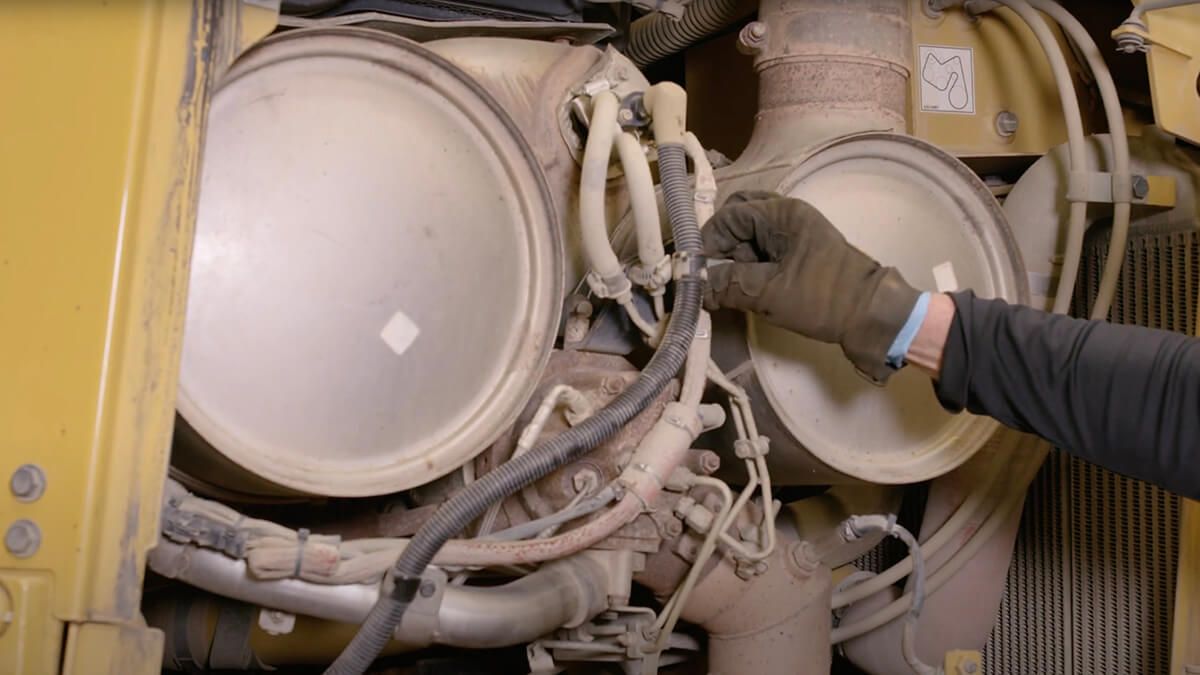
Shut down the engine and allow it to cool. Engage parking brakes and follow all site lockout and safety procedures. Clean the area around the filter housing to prevent dirt from entering the fuel system.
Step 2: Drain Water from the Primary Filter (If Equipped)
If the machine uses a water separator, drain collected water into an approved container before removing the filter. This helps reduce contamination and spills during service.
Step 3: Remove the Old Filter
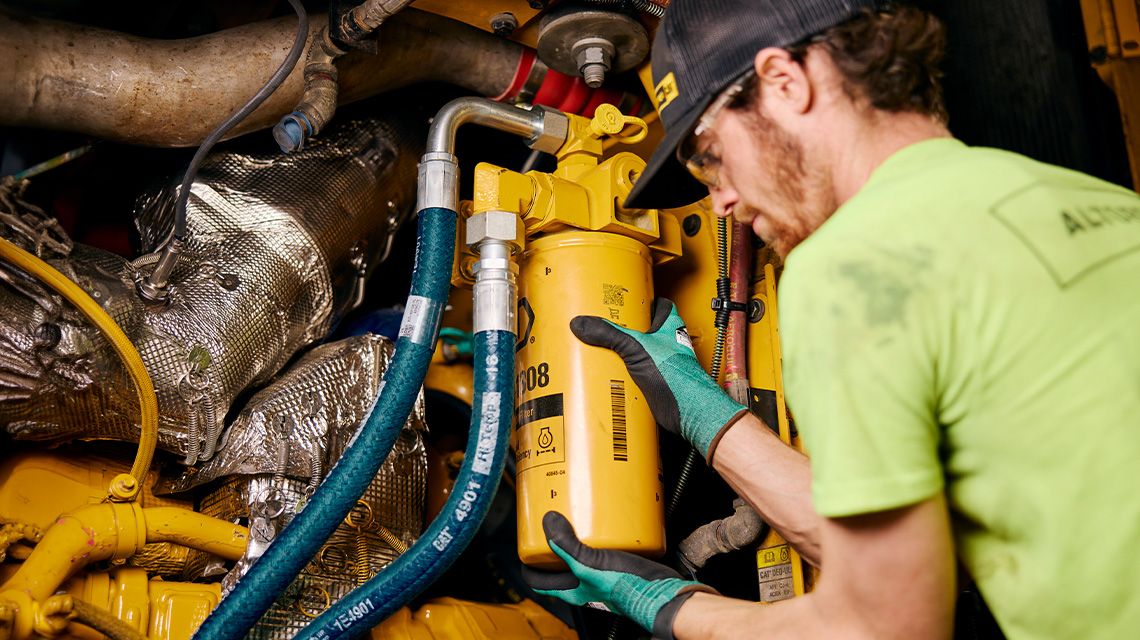
Remove the used filter using a filter wrench if needed. Dispose of the filter in accordance with local environmental regulations. Inspect the mounting surface for debris or gasket material.
Step 4: Install the New Cat Fuel Filter
Lightly lubricate the gasket with clean diesel fuel. Install the filter by hand until the gasket contacts the base, then tighten according to Cat specifications. Over‑tightening can damage the seal.
Step 5: Prime the Fuel System
Prime the fuel system using the manual priming pump or electric priming sequence, if equipped. Proper priming removes air from the system and helps prevent hard starts or injector damage.
Step 6: Start and Inspect
Start the engine and inspect for leaks. Monitor fuel pressure or restriction indicators to ensure the system is operating correctly.
Which Cat® Models Use This Fuel Filter Process?
(Machine and Engine Compatibility)
What Are Common Fuel Filter Replacement Mistakes?
Common mistakes during fuel filter replacement include:
- Installing non‑Cat filters with incorrect micron ratings
- Failing to prime the fuel system after replacement
- Allowing dirt into the filter housing during service
- Reusing damaged seals or O‑rings
Any of these errors can result in fuel system damage or repeat service events.
Fuel Filter Maintenance Checklist
Use this checklist during every fuel filter service:
☐ Verify the correct Cat part number
☐ Clean the filter housing before removal
☐ Drain the water separator (if equipped)
☐ Lubricate the gasket before installation
☐ Prime the fuel system completely
☐ Inspect for leaks after startup
☐ Reset service indicators if applicable
Pro‑Tip from the Shop
If you are replacing fuel filters after a contamination event, always replace both the primary and secondary filters at the same time—even if only one shows restriction. Leaving a partially loaded secondary filter in service often leads to repeat failures within hours, especially on high‑pressure common‑rail engines.
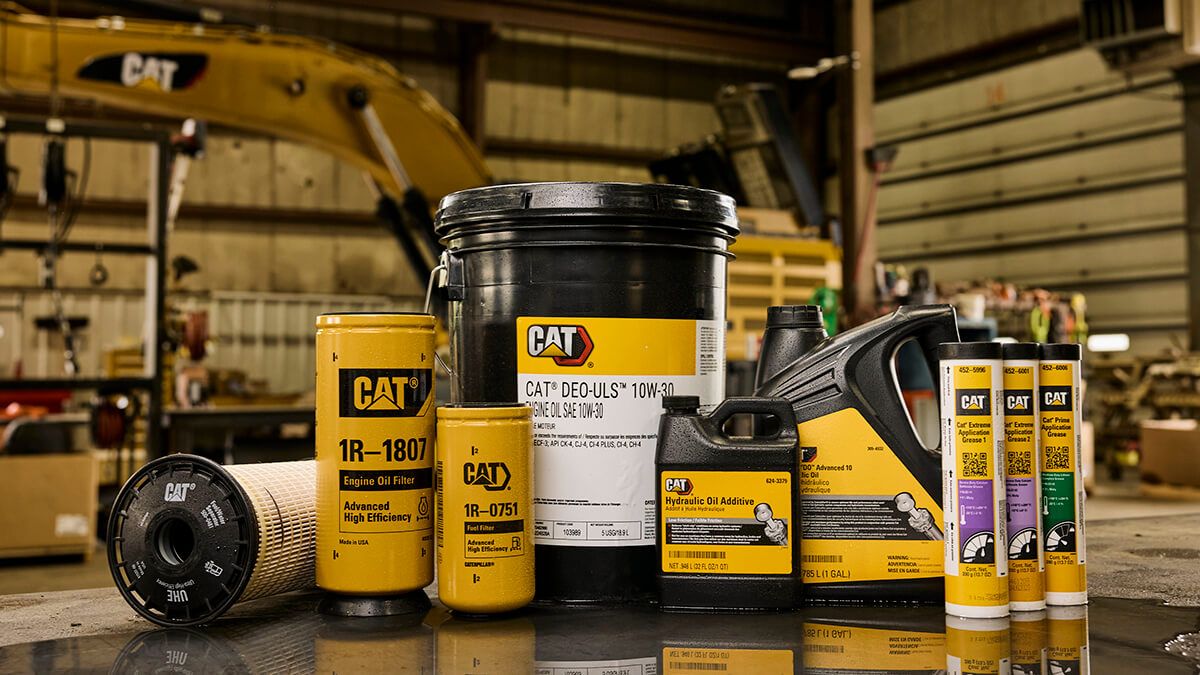
Why Use Genuine Cat® Fuel Filters?
Final Takeaway
Fuel filter replacement is a routine maintenance task, but it plays a major role in protecting Cat engines from costly fuel system damage. Following correct service procedures, maintaining clean work practices, and using genuine Cat parts help keep equipment reliable and productive throughout its service life.
Your Business
 North America – English
Caterpillar Brands
- Caterpillar.com
- Contact Us
- My Marketing Preferences
- Site Map
- Cookie Settings
- Legal
- Privacy
- Do Not Sell or Share My Personal Information
- Accessibility Statement
- US-English
- © 2026 Caterpillar. All Rights Reserved.